 Archaeological siteকুমার দীপ · CC BY-SA 4.0
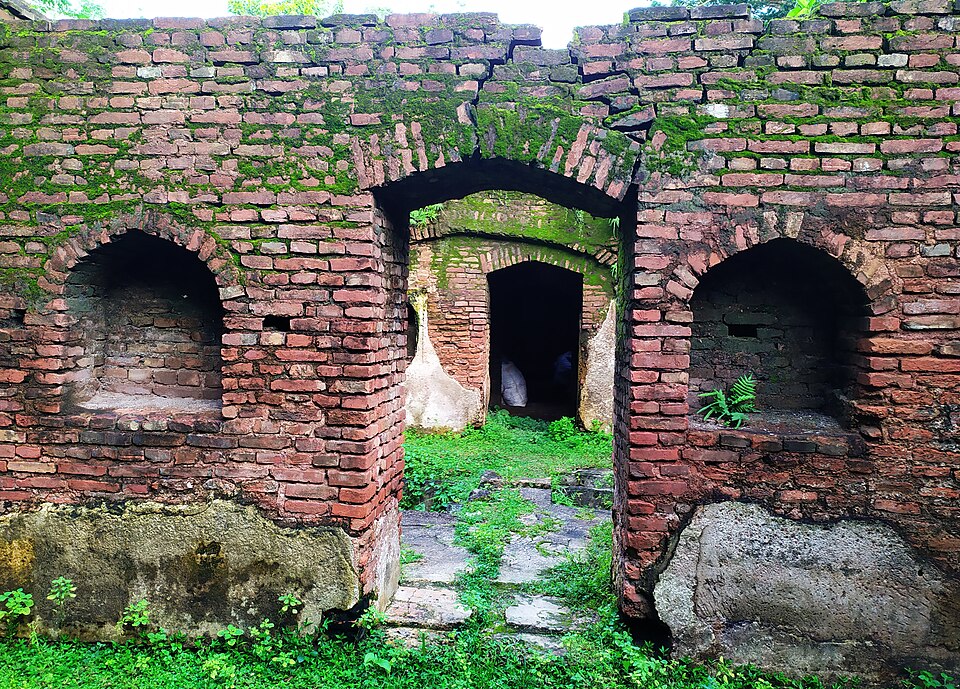
Jahajghata Naval Fort Site
Satkhira
The site in Shyamnagar where Raja Pratapaditya is said to have kept his war boats, remembered as a naval fort of his time.
 Archaeological siteJamirul071 · CC BY-SA 4.0
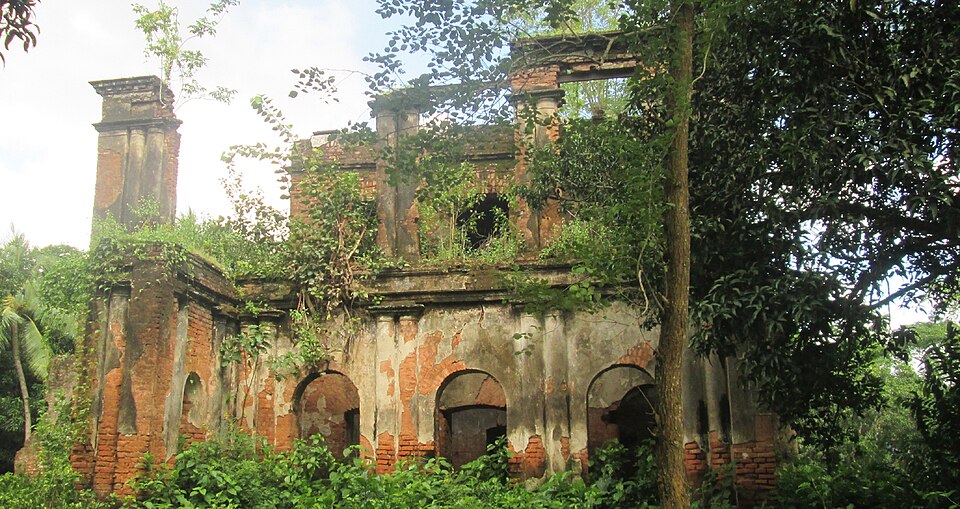
Bhatpara Nilkuthi
Meherpur
The ruins of a British indigo factory house on the Kajla at Gangni, north of Meherpur town, with the shell of its old church nearby.
 Archaeological siteবিশ্বজিৎ দাস · CC BY-SA 4.0
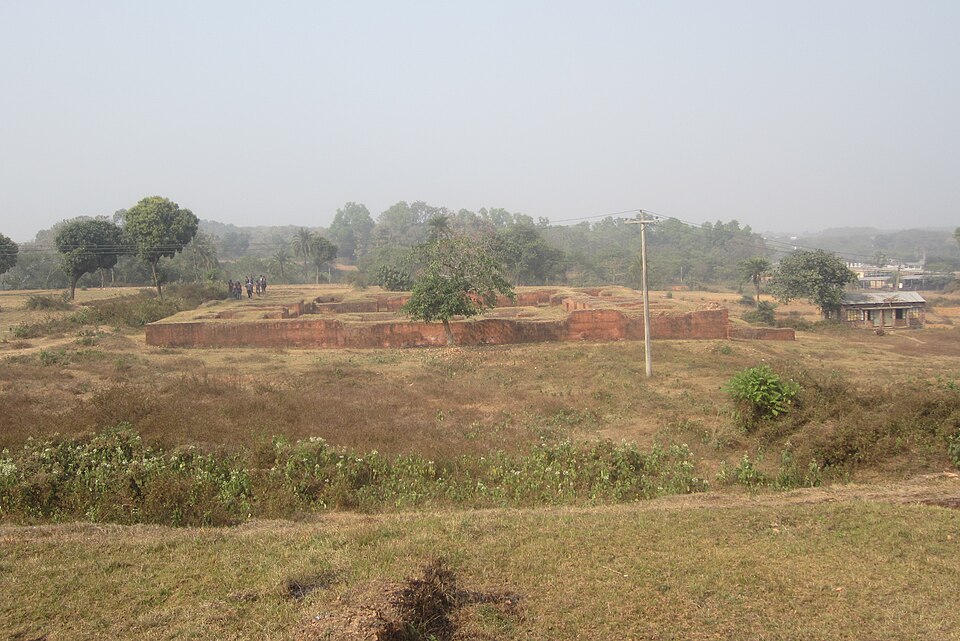
Itakhola Mura
Cumilla
Across the road from Rupban Mura: a stupa complex and monastery on three terraces of the hillside, named for the brick kilns that once quarried it, with a gold-filled relic chamber found in the digs.
Kotila Mura
Cumilla
Three stupas in a row inside the Mainamati cantonment, 5 km north of Shalban, standing for the Buddha, the Dharma and the Sangha; the best-preserved stupas on the ridge, but inside army land.
 Archaeological siteAfifa Afrin · CC BY-SA 4.0
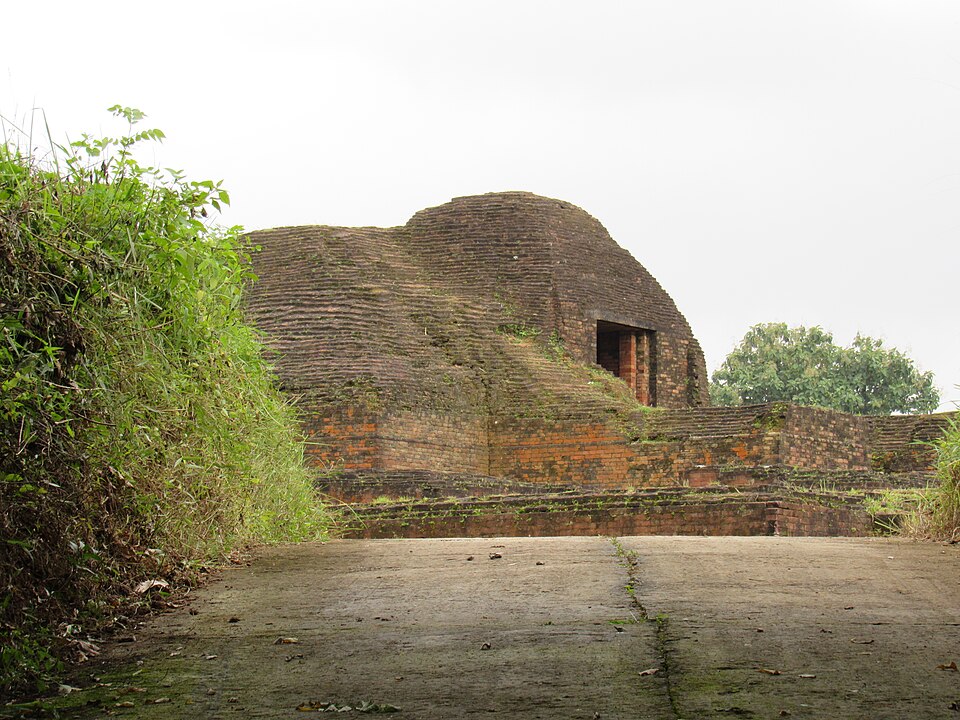
Rupban Mura
Cumilla
A monastery-and-shrine mound on the Kotbari road opposite Itakhola, dug in the 1990s: a semi-circular temple with a seated stone Buddha, among the oldest finds on the ridge (6th–7th century).
 Archaeological siteSakib Ahmed Nasim · CC BY-SA 3.0
Shalban Vihara
Cumilla
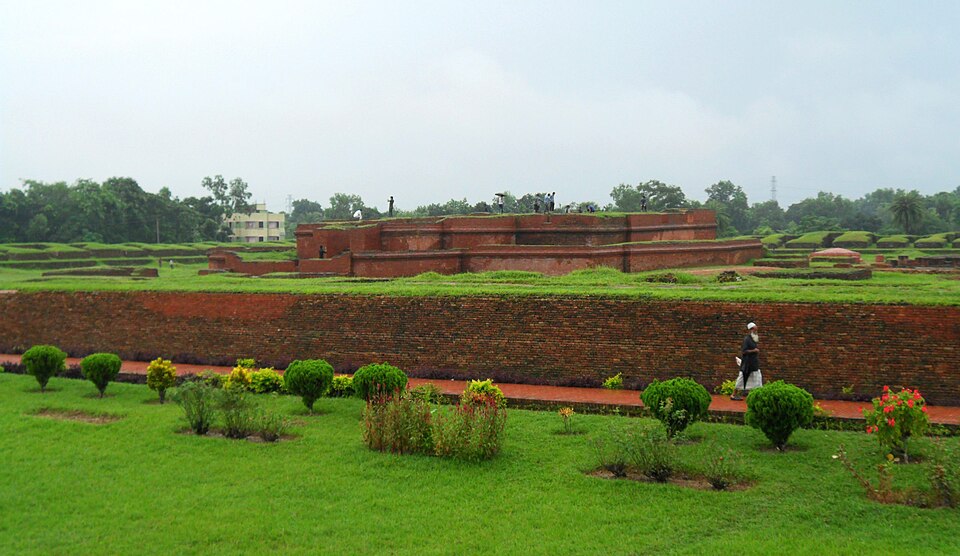
The largest and best-kept of the Mainamati ruins: a square Buddhist monastery of 115 cells around a central shrine, built by the Deva kings around the 8th century and dug out of the sal forest in the 1950s.
 Archaeological sitePrasun.kp · CC BY-SA 4.0
Mirzanagar Hammamkhana
Jashore
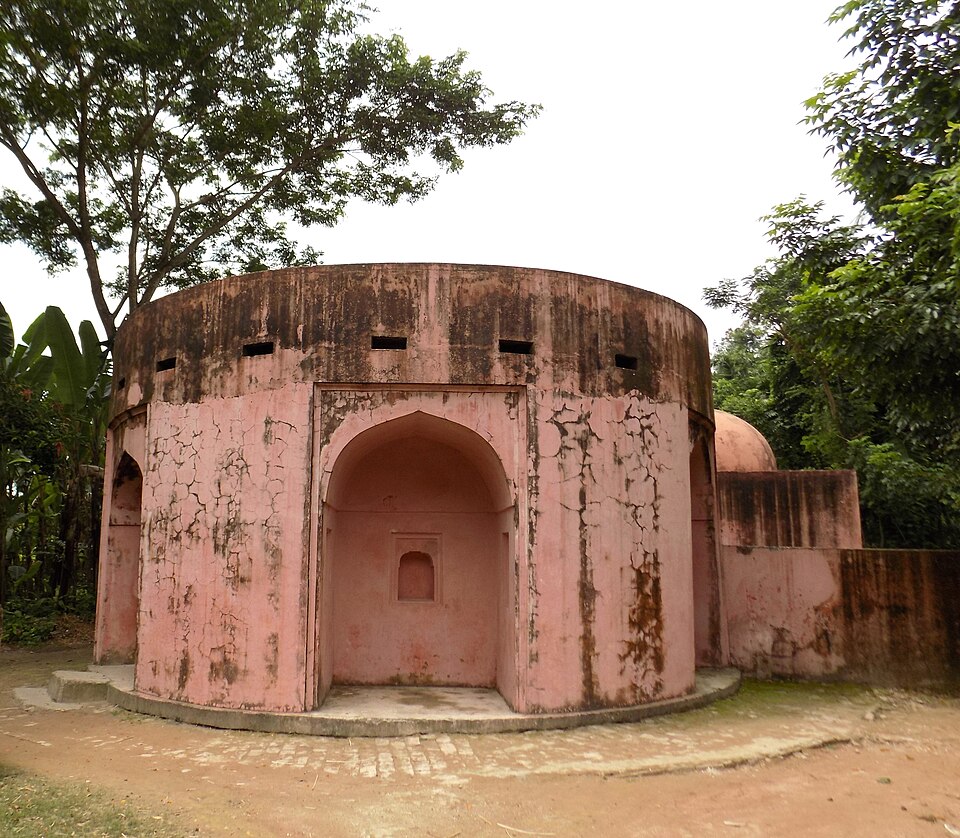
A domed Mughal bath house on the Kapotaksha at Mirzanagar near Keshabpur, the one standing piece of the seat of Jashore's 17th-century faujdars.
 Archaeological siteShahnoor Habib Munmun · CC BY 3.0
Gokul Medh (Behula's Bashor Ghor)
Bogura
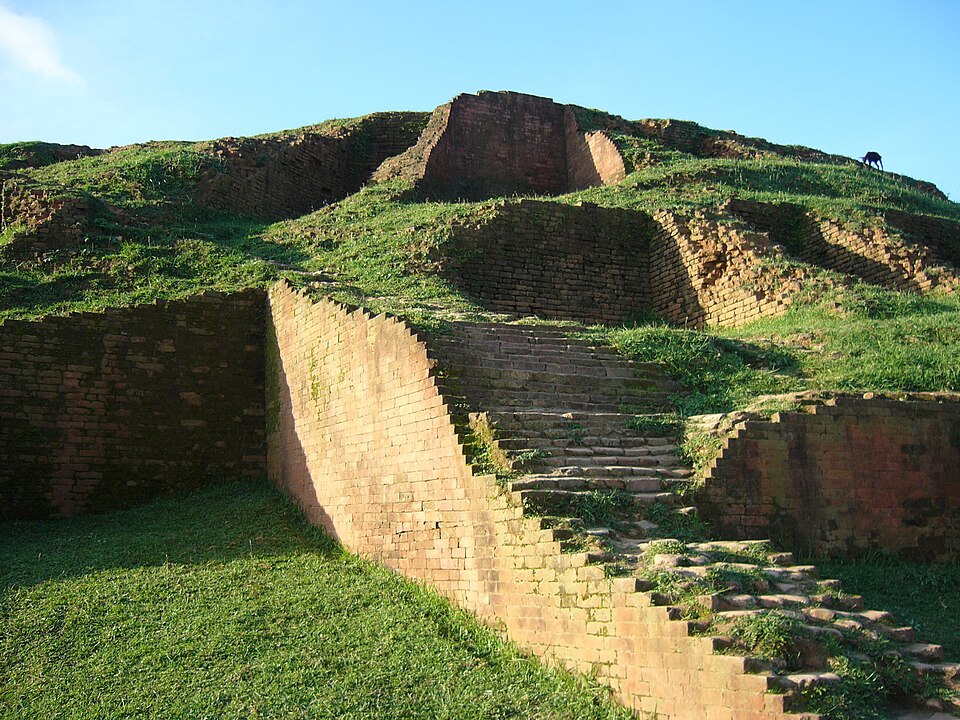
A tall terraced brick mound south of Mahasthangarh that local lore calls Behula's bashor ghor, the bridal chamber of Behula and Lakhindar in the Manasa tale.
 Archaeological siteShahnoor Habib Munmun · CC BY 3.0
Govinda Bhita
Bogura
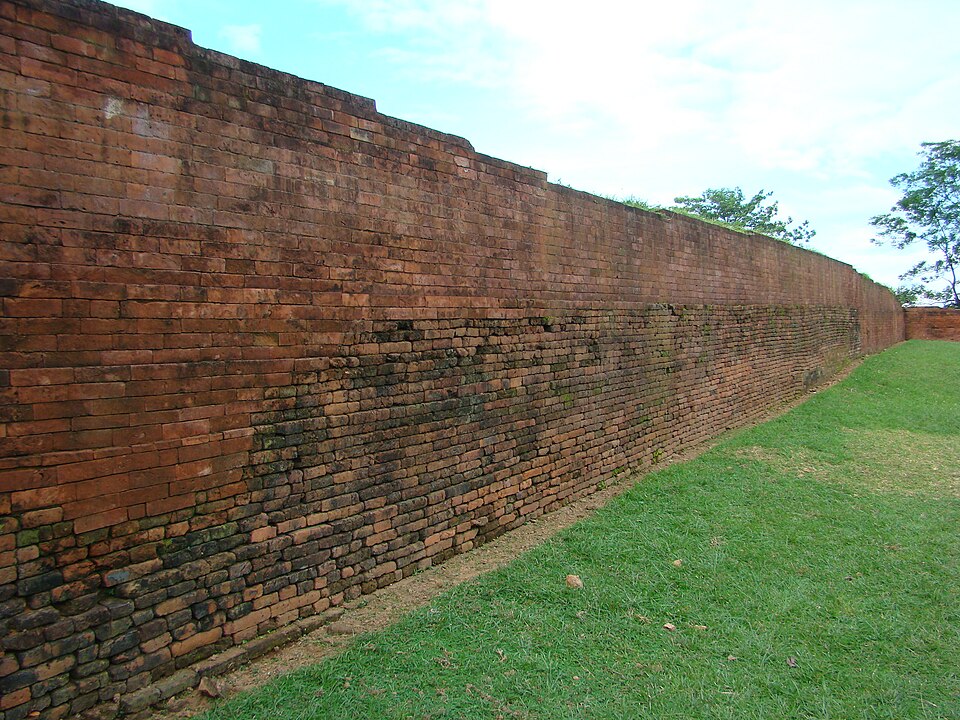
A temple mound in a bend of the Karatoya just north of the Mahasthangarh walls, excavated in 1928–29.
 Archaeological siteZaheed Sarwer Khan · CC BY 4.0
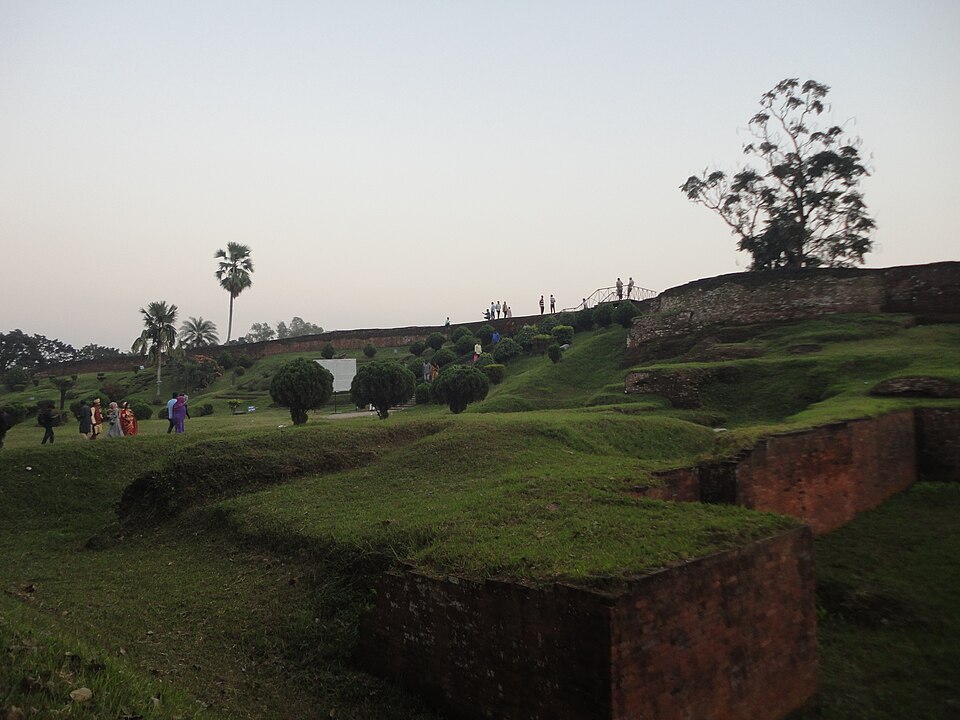
Mahasthangarh
Bogura
The walled citadel of ancient Pundranagara on the Karatoya, the oldest city site found in Bangladesh, lived in from at least the third century BC to the medieval period.
Chandidas and Rajakini's Ghat, Shatakhali
Magura
Where local tradition places the poet Chandidas and the washerwoman Rajakini: the pool where he fished, and Dhopakhali across it, with old pottery shards.
 Archaeological siteTanvir Anjum · CC BY-SA 4.0
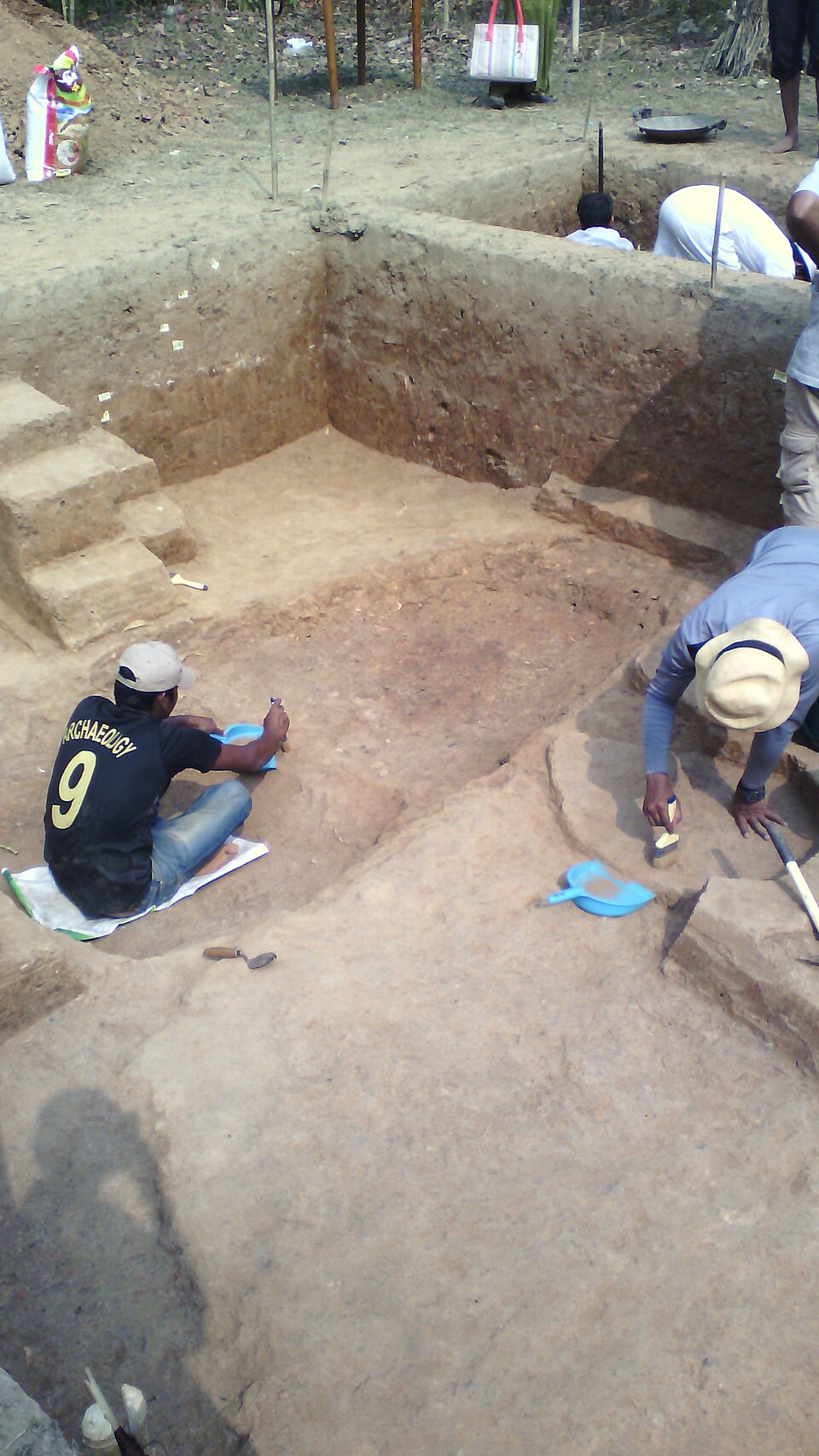
Wari-Bateshwar
Narsingdi
One of the oldest urban sites in Bangladesh: a fortified settlement of roughly 400 to 100 BCE in two villages of Belabo, with a rampart, a moat, a paved road and finds of punch-marked coins and beads.
Sujabad Fort
Jhalokati
The site of a Mughal fort raised in the 1650s by Prince Shah Shuja against Magh raiders; little of it stands today, but the place keeps his name.
 Archaeological siteকুমার দীপ · CC BY-SA 4.0
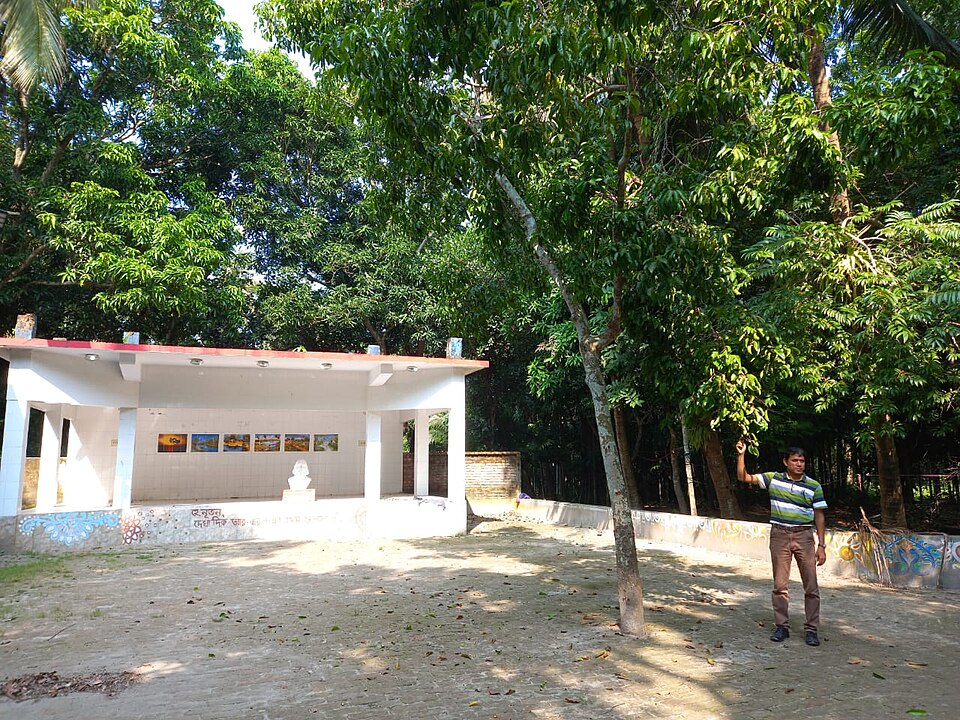
Tagore Homestead, Pithabhog
Khulna
The ancestral homestead of the Tagore family in Pithabhog village, Rupsa, on the Bhairab basin, a protected heritage site.
 Archaeological siteRakibul Islam Biswas · CC BY-SA 4.0
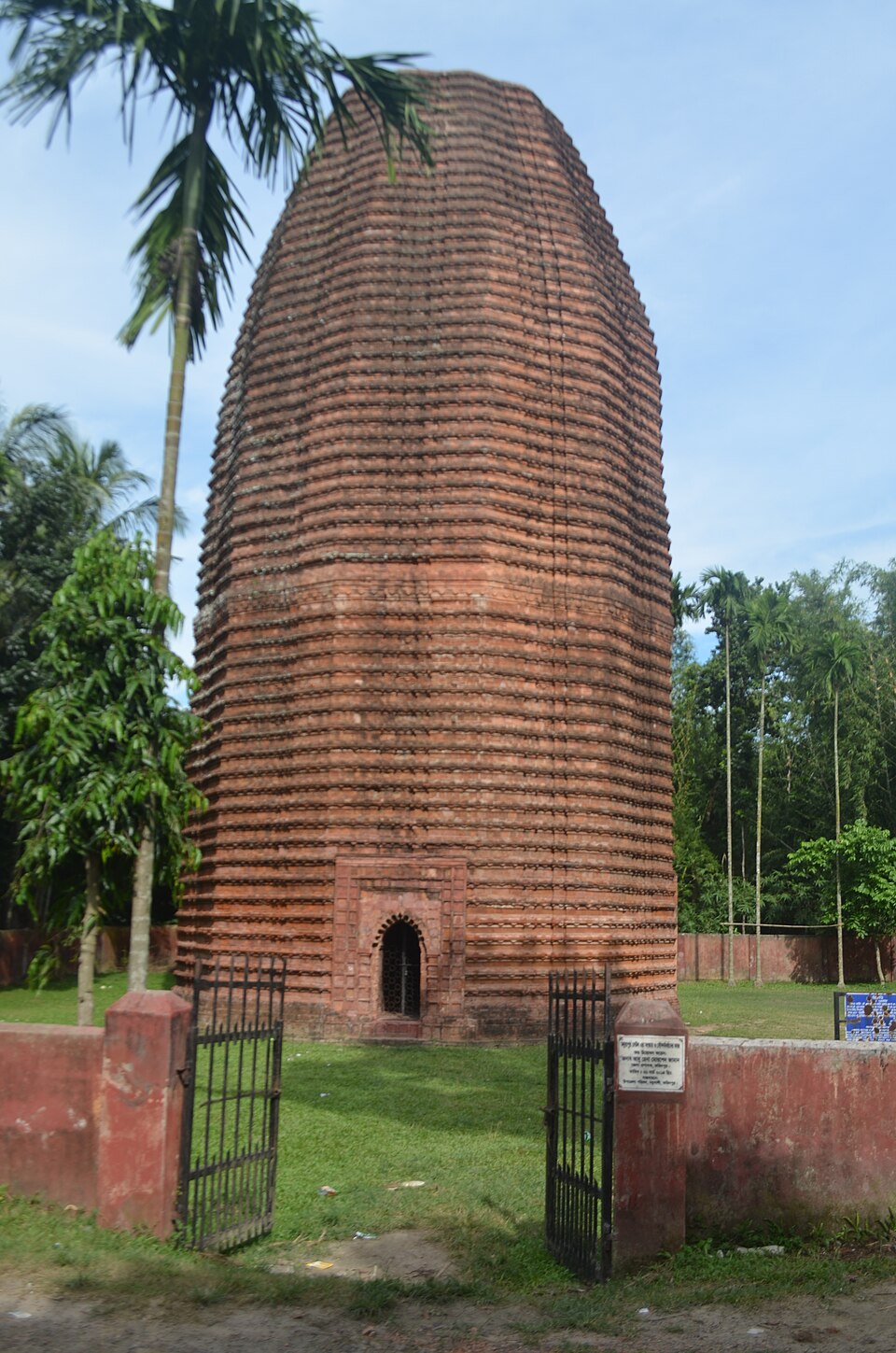
Mathurapur Deul
Faridpur
A tall, many-sided brick tower covered in terracotta at Mathurapur in Madhukhali, built in the 16th or 17th century; a protected monument.
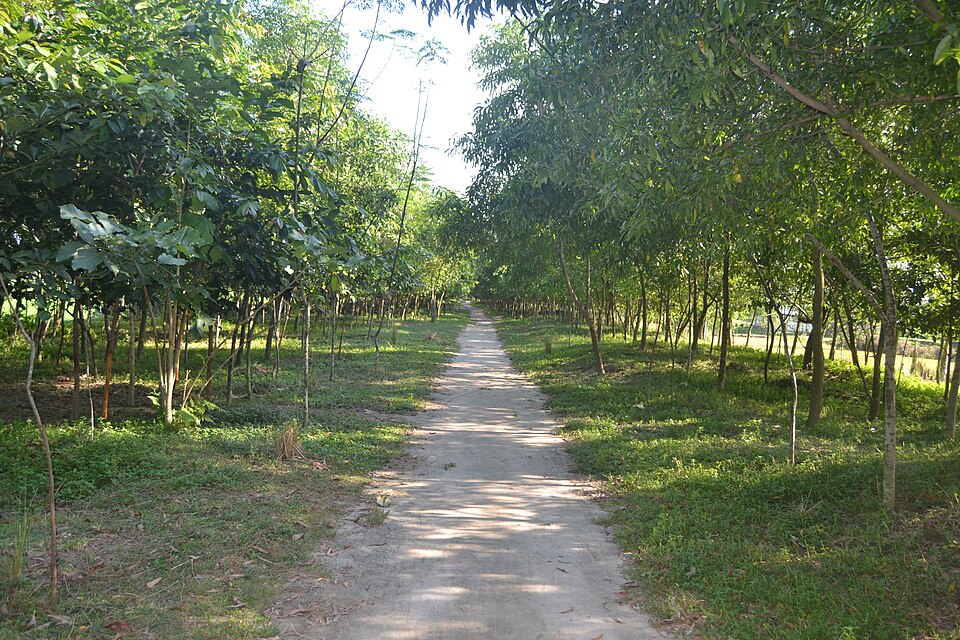 Archaeological siteMd. Sarwar Ul Islam Fakir · CC BY-SA 4.0
Dharmapal's Garh
Nilphamari
The earthen ramparts of an old fort on the east bank of the Deonai river in Jaldhaka, linked by tradition to the Pala king Dharmapal and excavated in 2016.
Harishchandra's Path
Nilphamari
Ruins in Khutamara union of Jaldhaka named after King Harishchandra, a generous ruler of local legend whose story is still sung in palagan and jatra.
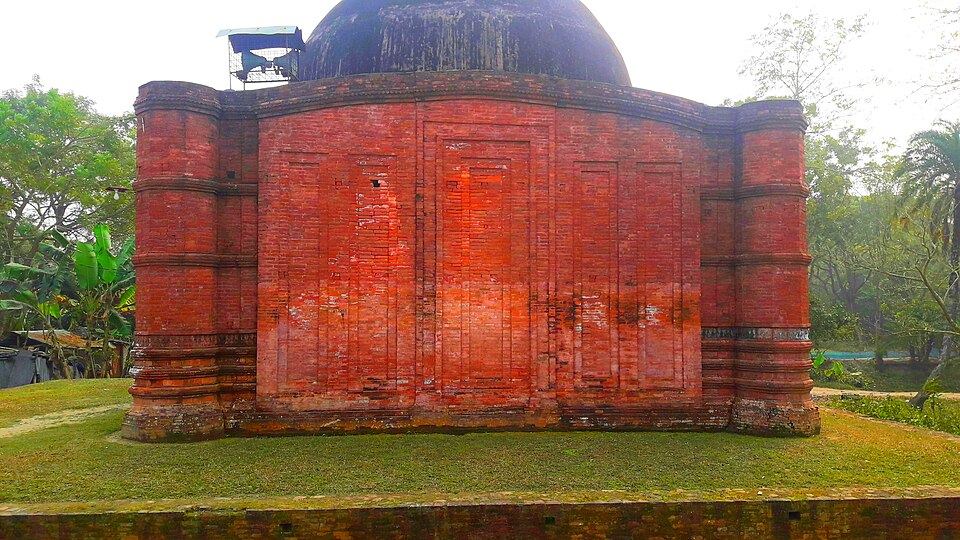 Archaeological siteMd Abdul Wahab · CC BY-SA 4.0
Barobazar mosque ruins
Jhenaidah
A group of excavated and restored sultanate-era brick mosques around Barobazar in Kaliganj, among them Jor Bangla and Gorar mosque, thought to be the remains of the old town of Mohammadabad.
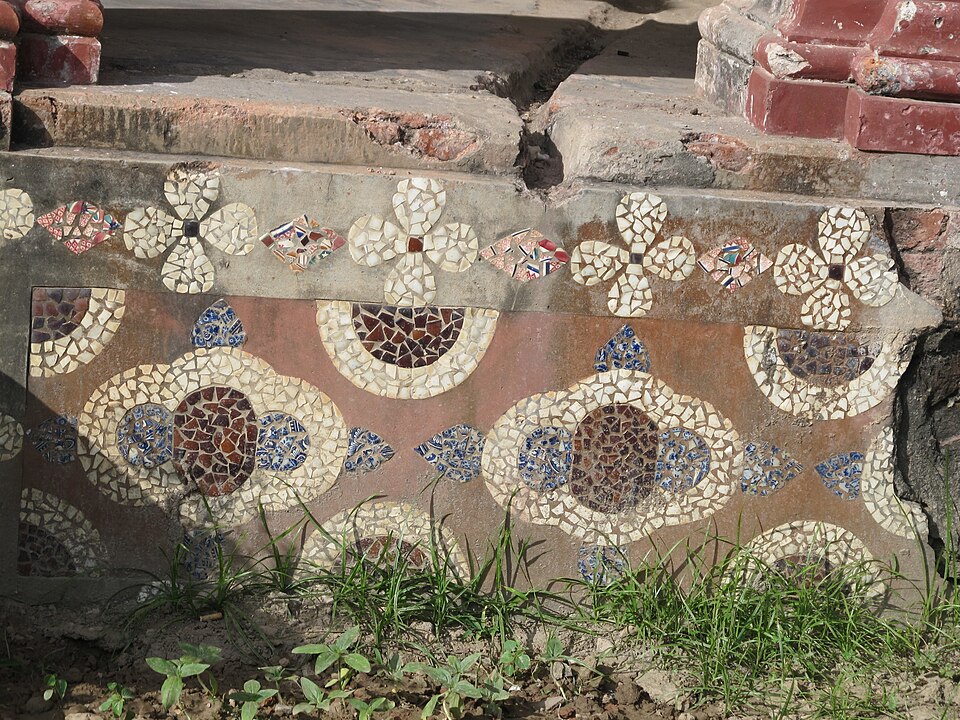 Archaeological siteKritzolina · CC BY-SA 4.0
Panam Nagar
Narayanganj
A single street of decaying merchants' houses in old Sonargaon, two storeys of arches, cast iron and coloured plaster, mostly from the 19th-century cotton-trade revival.
Bardhan Kuthi
Gaibandha
The ruined seat of the old Bardhan rajas at Gobindaganj, a quiet group of crumbling brick buildings and ponds from the district's pre-colonial past.
Raja Virat's Palace Mound
Gaibandha
A large earthen mound at Gobindaganj that local legend calls the palace of King Virata, at whose court the Pandavas hid in the Mahabharata; old bricks lie across the site.
Egarasindur Fort
Kishoreganj
The site of a medieval river fort in Pakundia used by Isa Khan against the Mughals; the fort itself is gone, but old mosques and a dighi remain in the village.
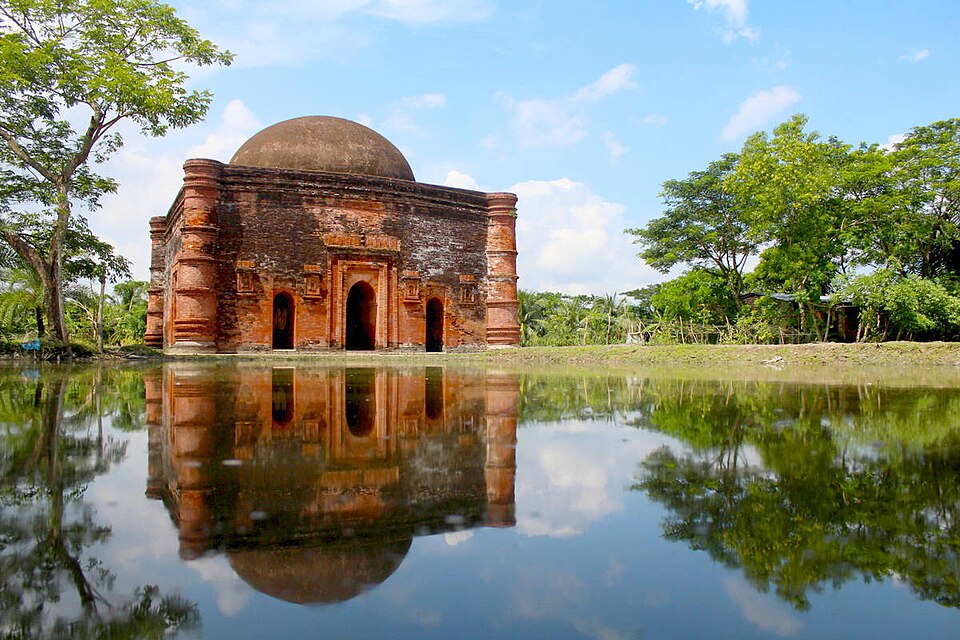 Archaeological siteDr Amit Biswas · CC BY-SA 4.0
Mosque City of Bagerhat
Bagerhat
The UNESCO World Heritage city of Khalifatabad: a 15th-century planned town of brick mosques, tombs, roads and tanks spread over 50 square kilometres of fields.
 Archaeological siteNeilok · CC BY-SA 4.0
Ten Dome Mosque
Bagerhat
The excavated footprint of a ten-domed mosque under a later village mosque, found when locals dug to build and the archaeologists moved in.