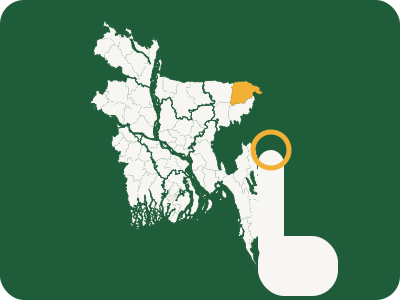
Archaeological site, Cumilla

Shalban Viharaশালবন বিহার

Time needed
An hour and a half with the museum.
best months
Oct–Mar
Cost
Entry about ৳30 for Bangladeshis.

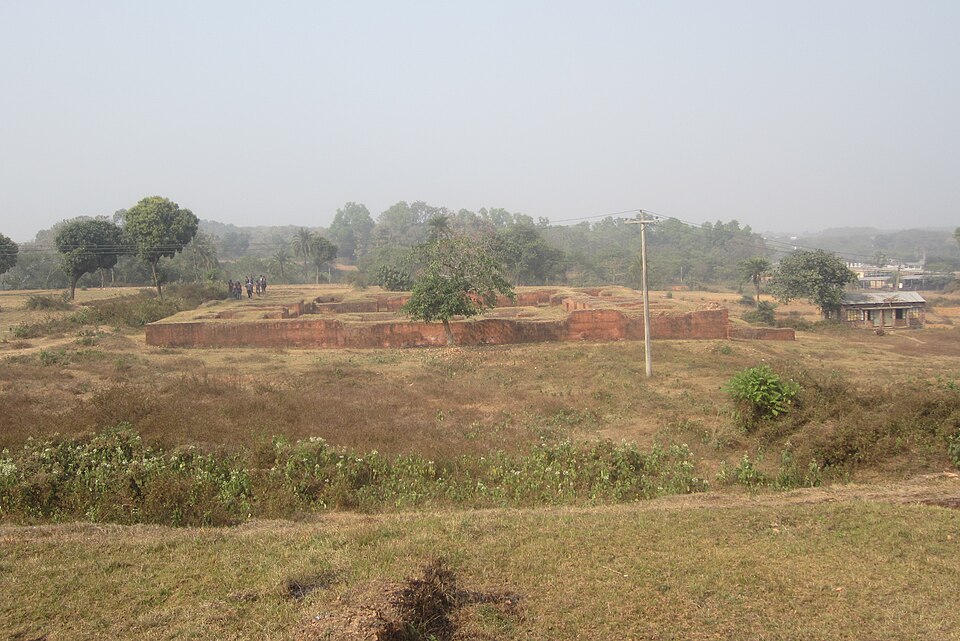
The largest and best-kept of the Mainamati ruins: a square Buddhist monastery of 115 cells around a central shrine, built by the Deva kings around the 8th century and dug out of the sal forest in the 1950s.

Plan your visit

Opening
Daily except Sunday; Monday afternoons only. About 9 am to 5 pm, with a lunch break.

At a glance

Built
About 8th century, Deva dynasty
Cells
115
Side
About 168 m

About

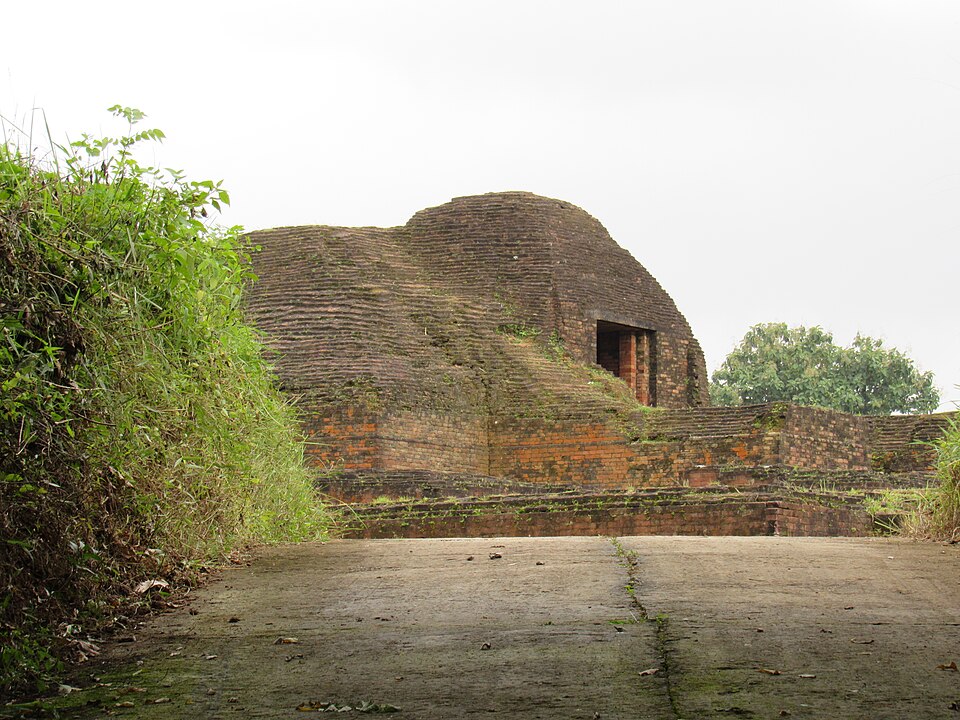
Shalban Vihara stands at Kotbari in the middle of the Lalmai ridge, named after the sal forest that covered it. The monastery is about 168 metres on a side: a single gateway on the north, a ring of monks' cells with a wide verandah inside, and in the courtyard a cross-shaped temple that was rebuilt several times. Copper plates and a sealing found here name Bhavadeva of the Deva dynasty as its builder, and the site was used into the 12th century.

The brick walls stand to shoulder height, the plan is easy to read, and the terracotta plaques that decorated the shrine are in the museum next door. It is the one site in Mainamati everyone should see, and the easiest to reach.

Getting there: CNG from Kandirpar or the cantonment bus stand to Kotbari, 20–30 minutes; the museum and Rupban Mura are a short walk.

Things to do

  • Walk the cell ring, then the museum for the terracotta and bronzes.

Good to know

  • Go before 11 am; there is no shade on the mound.
Getting there

Read the Cumilla guide

Nearby

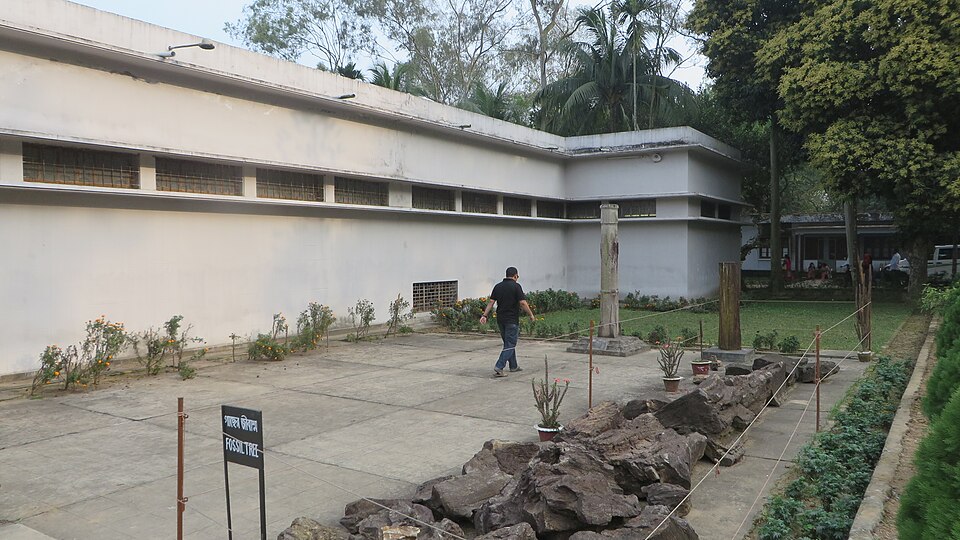
Museum and galleryAfifa Afrin · CC BY-SA 3.0

Mainamati Museum

0 km, Cumilla

The site museum beside Shalban Vihara: bronze Buddhas, terracotta plaques, copper plates, coins and pottery from the Mainamati digs, with a model of the whole ridge.

Park, eco park and picnic spotBhfaisal427 · CC BY-SA 4.0

BARD campus, Kotbari

1 km, Cumilla

The Bangladesh Academy for Rural Development, founded by Akhtar Hameed Khan in 1959: a green, planned campus on the Lalmai slope beside the ruins, where the Comilla model of cooperatives was born, and a favourite walk for the city.

Archaeological siteAfifa Afrin · CC BY-SA 4.0

Rupban Mura

2 km, Cumilla

A monastery-and-shrine mound on the Kotbari road opposite Itakhola, dug in the 1990s: a semi-circular temple with a seated stone Buddha, among the oldest finds on the ridge (6th–7th century).

Archaeological siteবিশ্বজিৎ দাস · CC BY-SA 4.0

Itakhola Mura

2 km, Cumilla

Across the road from Rupban Mura: a stupa complex and monastery on three terraces of the hillside, named for the brick kilns that once quarried it, with a gold-filled relic chamber found in the digs.

Hills and mountainsFerdous · CC BY-SA 4.0

Lalmai Hills

3 km, Cumilla

The red-earth ridge that runs 8 km south from Mainamati: low hills of Pleistocene clay with forest, Buddhist mounds along the top and the Chandi Mura temple at the southern end.

Archaeological site

Kotila Mura

4 km, Cumilla

Three stupas in a row inside the Mainamati cantonment, 5 km north of Shalban, standing for the Buddha, the Dharma and the Sangha; the best-preserved stupas on the ridge, but inside army land.

Location

Shalban Vihara, Cumilla

Suggest a correction

Times, fares and opening hours change. Check before you go.

Been here? Mark it in the app.

Your visited places and districts fill in your map, earn badges, and travel with you offline.