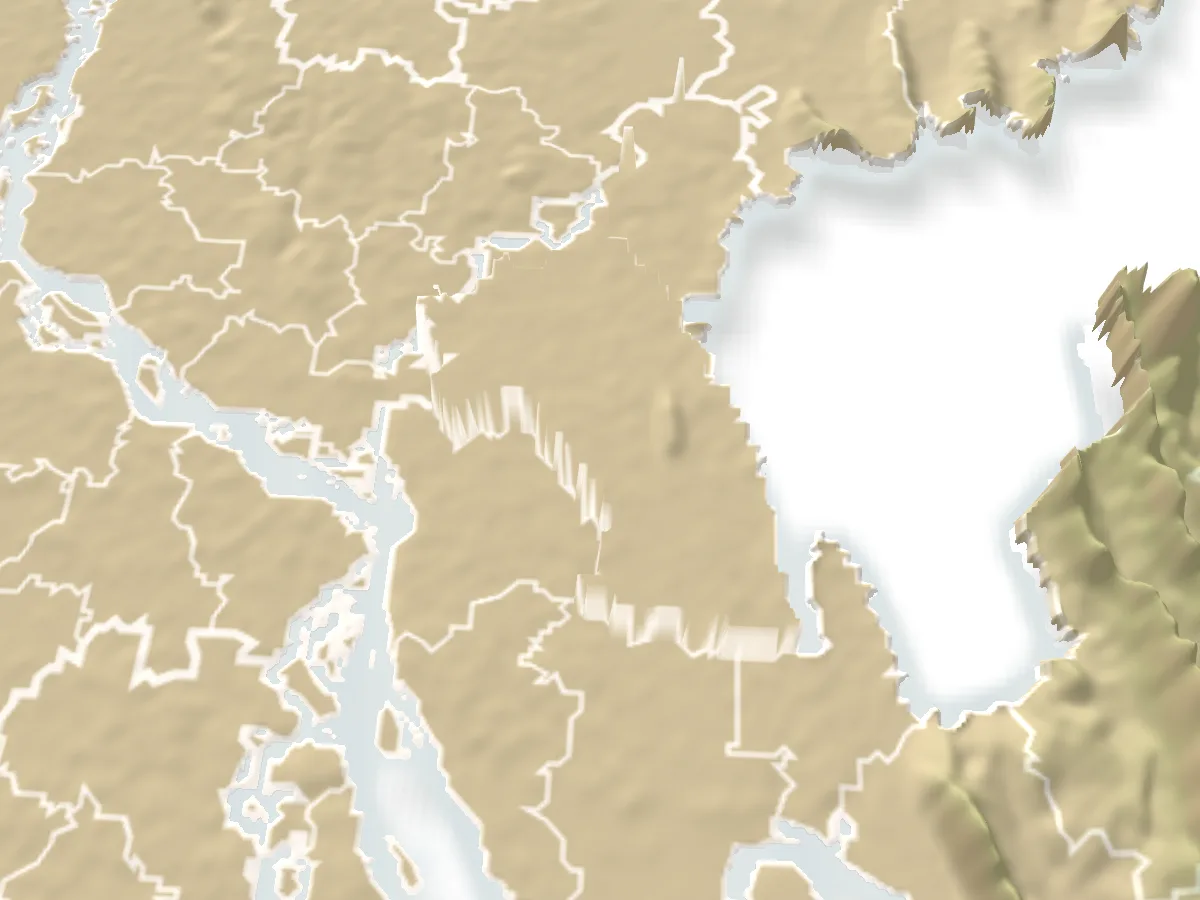
Known for
- 1
Mainamati.
The low Lalmai–Mainamati ridge west of the city holds the largest group of Buddhist ruins in the country: Shalban Vihara's great monastery, the Rupban, Itakhola and Kotila muras, and the museum that keeps what came out of them. Most of it was dug between the 1950s and 1970s and dates from the 7th to 12th centuries.
- 2
A city on the Dhaka road.
Cumilla is two hours from Dhaka and the biggest town between the capital and Chattogram: the Tripura kings' Dharmasagar tank, the Shah Shuja mosque, the war cemetery, BARD's campus and the rosmalai it is famous for.
Best season
GoodFairOct–Mar
October to March for the ruins: the mounds are open to the sun and unbearable at midday from April on. The monsoon turns the Lalmai paths to mud but makes the hills green. Everything here is a day trip from Dhaka or a stop on the way to Chattogram, so any dry day works.
Getting there
Bus
Dhaka
2–3 h, ৳250–500
Tisha, Asia Line and others from Sayedabad; Chattogram buses also stop
Train
Dhaka
2.5–3 h
Most Dhaka–Chattogram intercity trains stop at Cumilla
Getting around
Kotbari sites
CNG from Kandirpar to Kotbari, then walk between the mounds
Buses from Dhaka's Sayedabad run every few minutes and take 2 to 3 hours on the Dhaka–Chattogram highway. Intercity trains from Dhaka and Chattogram stop at Cumilla station. The Mainamati sites are at Kotbari, 8 km west of the city, reached by CNG from Kandirpar or the Cantonment bus stand; Shalban Vihara, the museum, Rupban and Itakhola are within walking distance of each other.
Local food
RosmalaiMust try
Matri Bhandar, Monohorpur; small balls in thick sweet milk
Khadi
Not food: the hand-spun cloth sold around Kandirpar
Rosmalai is the city's name: the Matri Bhandar shop at Monohorpur is the original, and every sweet shop sells its own. Khadi cloth from Cumilla's weavers is the other thing to take home. The Kandirpar area has the restaurants; the highway stops at Daudkandi and Chandina do bus-stop meals.
Places to see
 Park, eco park and picnic spotBhfaisal427 · CC BY-SA 4.0
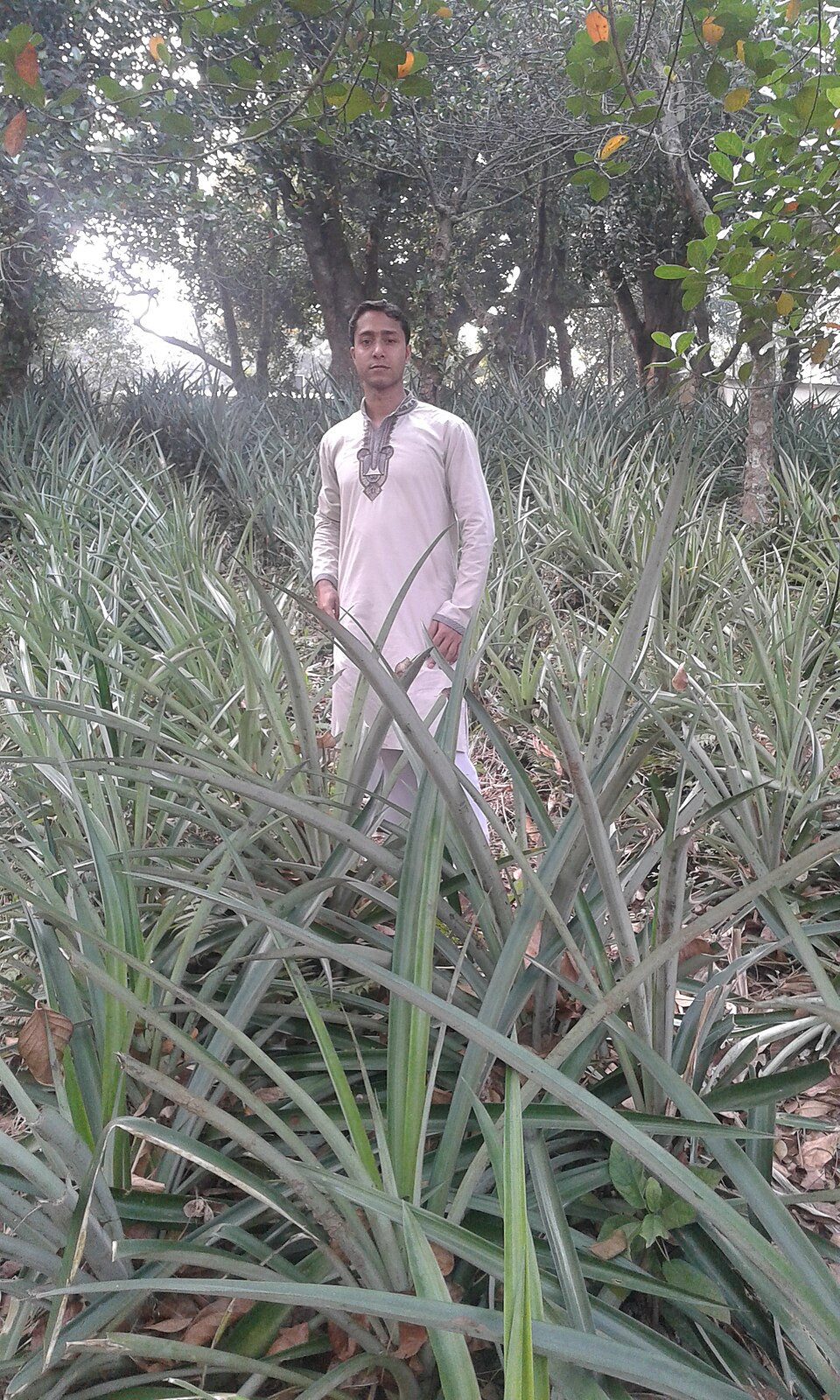
BARD campus, Kotbari
The Bangladesh Academy for Rural Development, founded by Akhtar Hameed Khan in 1959: a green, planned campus on the Lalmai slope beside the ruins, where the Comilla model of cooperatives was born, and a favourite walk for the city.
 Monument and memorialAfifa Afrin · CC BY-SA 4.0
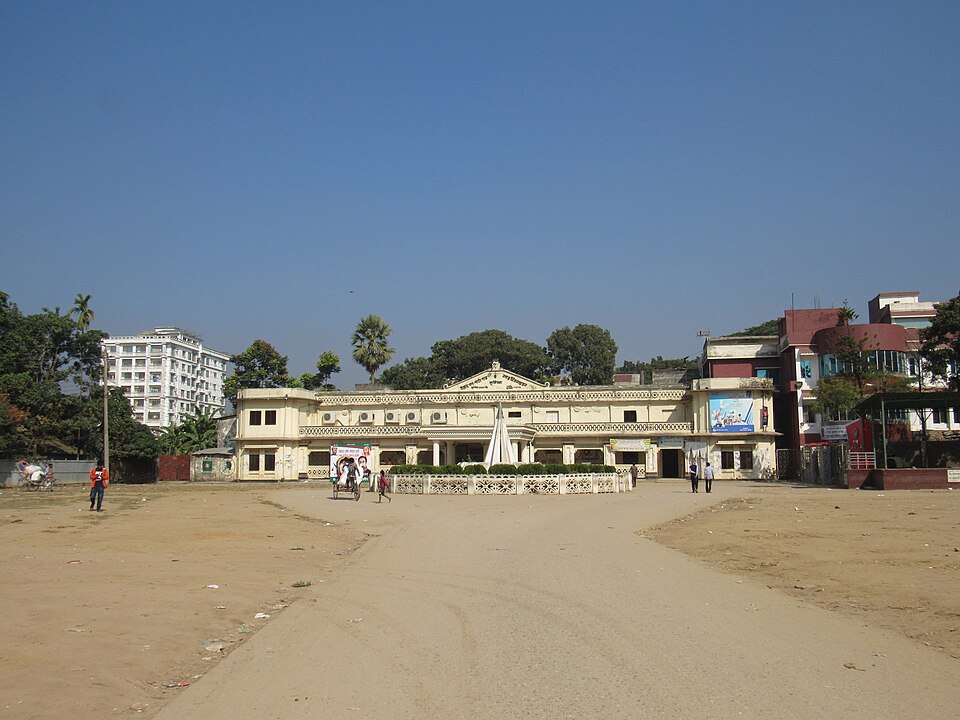
Birchandra Library and Town Hall
Cumilla Town Hall, built in 1885 on land given by Maharaja Birchandra Manikya of Tripura: a public library and hall in the colonial style that is still the centre of the city's cultural life.
 Monument and memorialFerdous · CC BY-SA 4.0
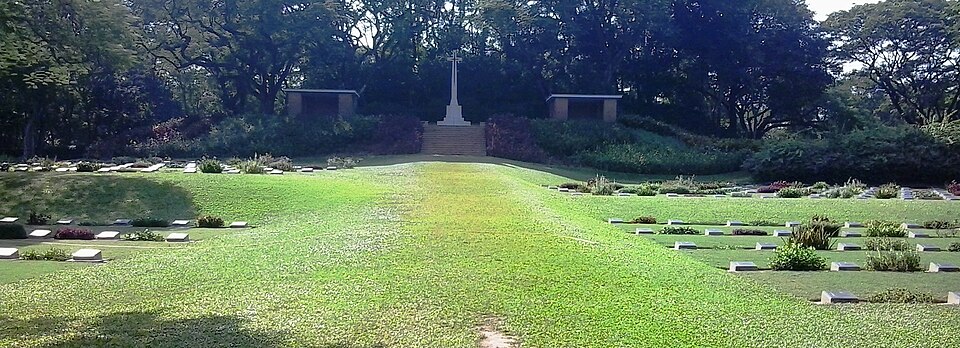
Comilla War Cemetery
The Commonwealth war cemetery on the cantonment road: 736 graves of soldiers and airmen from the Burma front of the Second World War, kept as a quiet lawn under old trees.
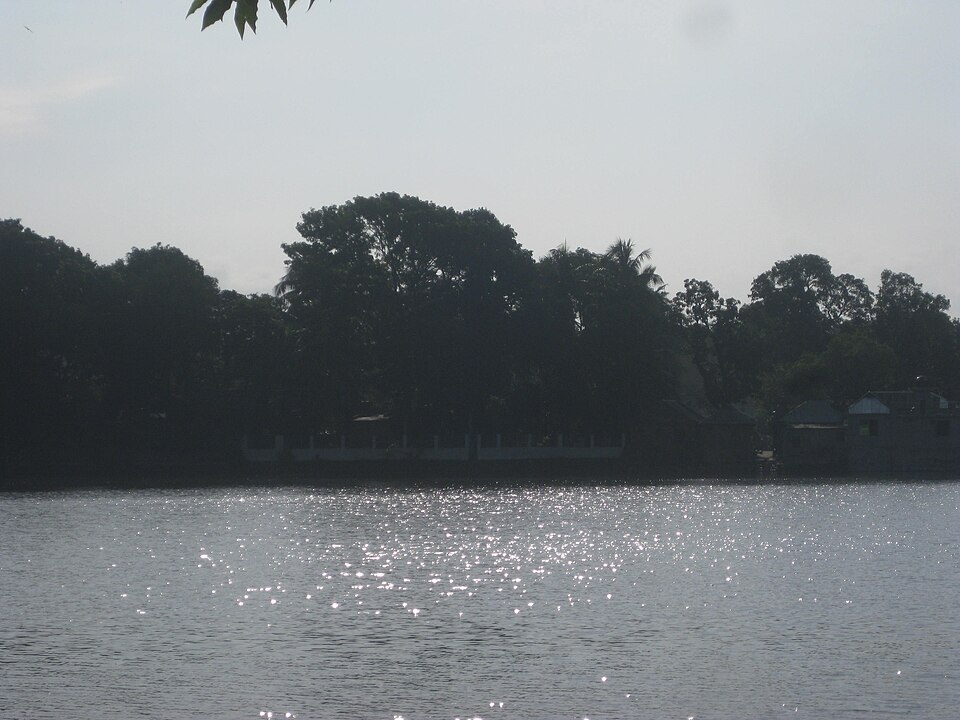 River, lake and haorIbrahim Husain Meraj · CC BY-SA 3.0
Dharmasagar
The great tank in the middle of the city, dug by the Tripura king Dharma Manikya in 1458: a kilometre of embankment to walk, the Nazrul memorial on the bank and the town's evening air.
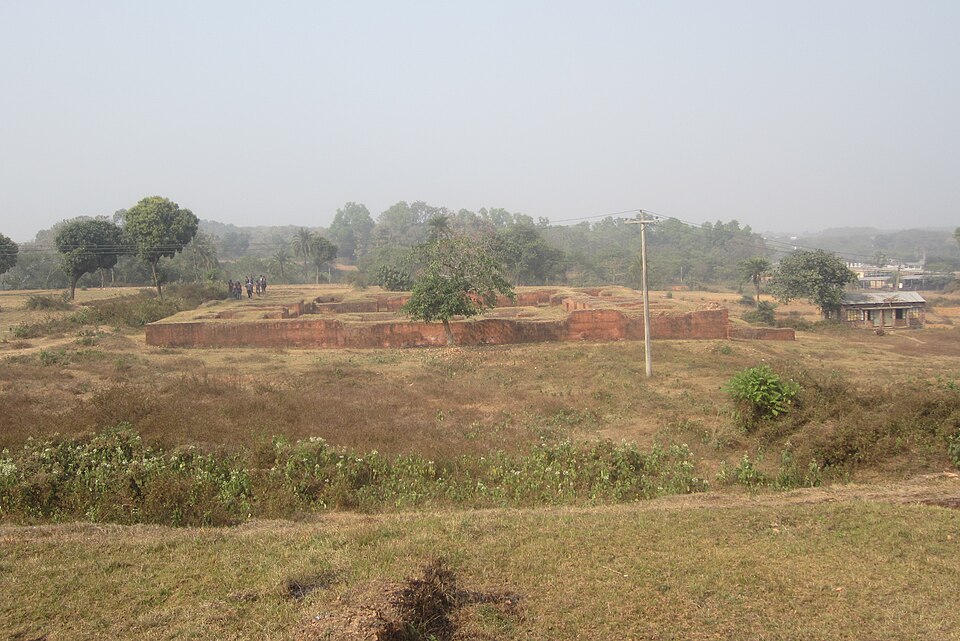 Archaeological siteবিশ্বজিৎ দাস · CC BY-SA 4.0
Itakhola Mura
Across the road from Rupban Mura: a stupa complex and monastery on three terraces of the hillside, named for the brick kilns that once quarried it, with a gold-filled relic chamber found in the digs.
Kotila Mura
Three stupas in a row inside the Mainamati cantonment, 5 km north of Shalban, standing for the Buddha, the Dharma and the Sangha; the best-preserved stupas on the ridge, but inside army land.
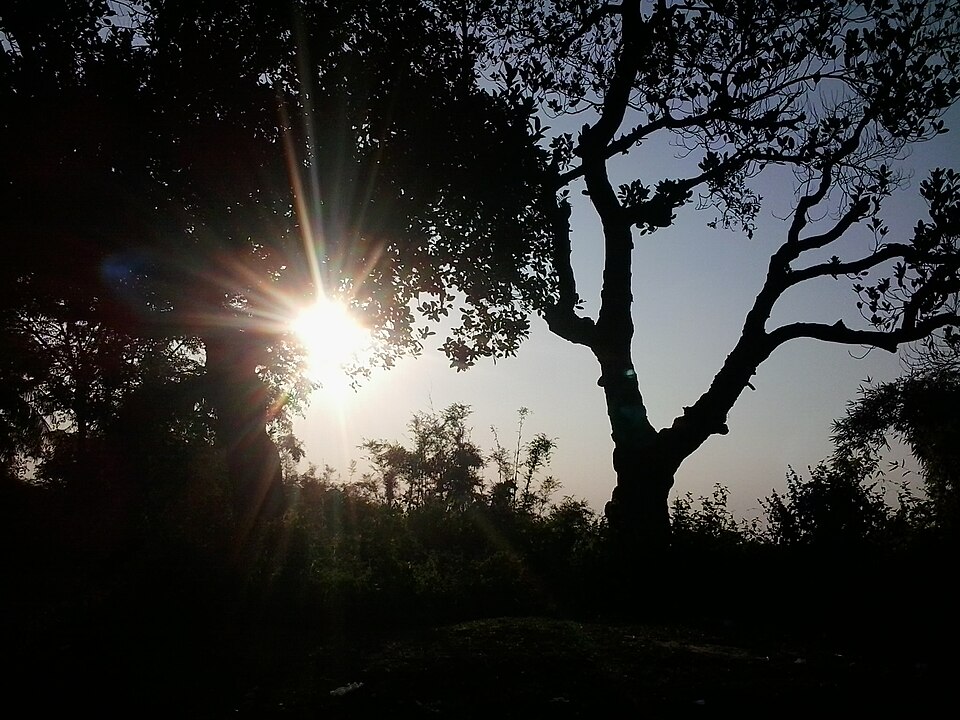 Hills and mountainsFerdous · CC BY-SA 4.0
Lalmai Hills
The red-earth ridge that runs 8 km south from Mainamati: low hills of Pleistocene clay with forest, Buddhist mounds along the top and the Chandi Mura temple at the southern end.
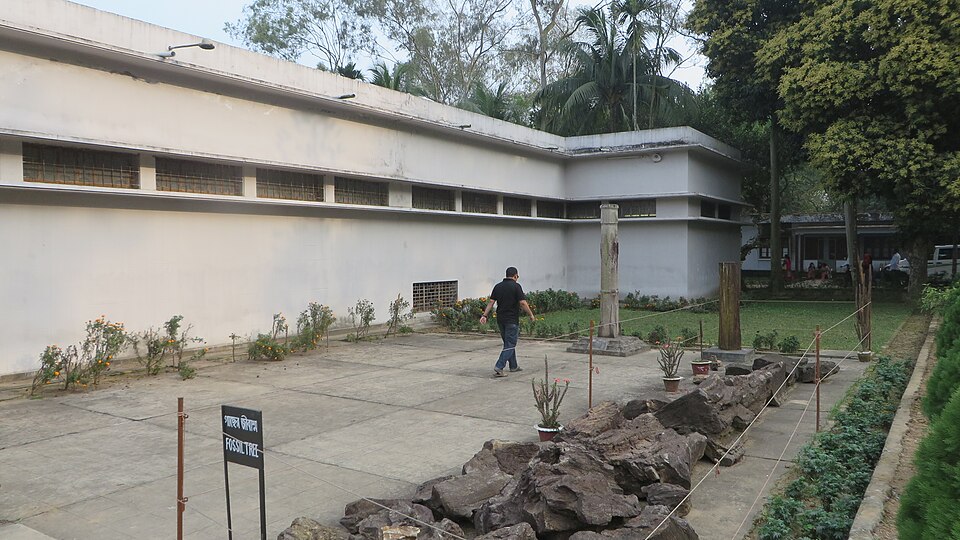 Museum and galleryAfifa Afrin · CC BY-SA 3.0
Mainamati Museum
The site museum beside Shalban Vihara: bronze Buddhas, terracotta plaques, copper plates, coins and pottery from the Mainamati digs, with a model of the whole ridge.
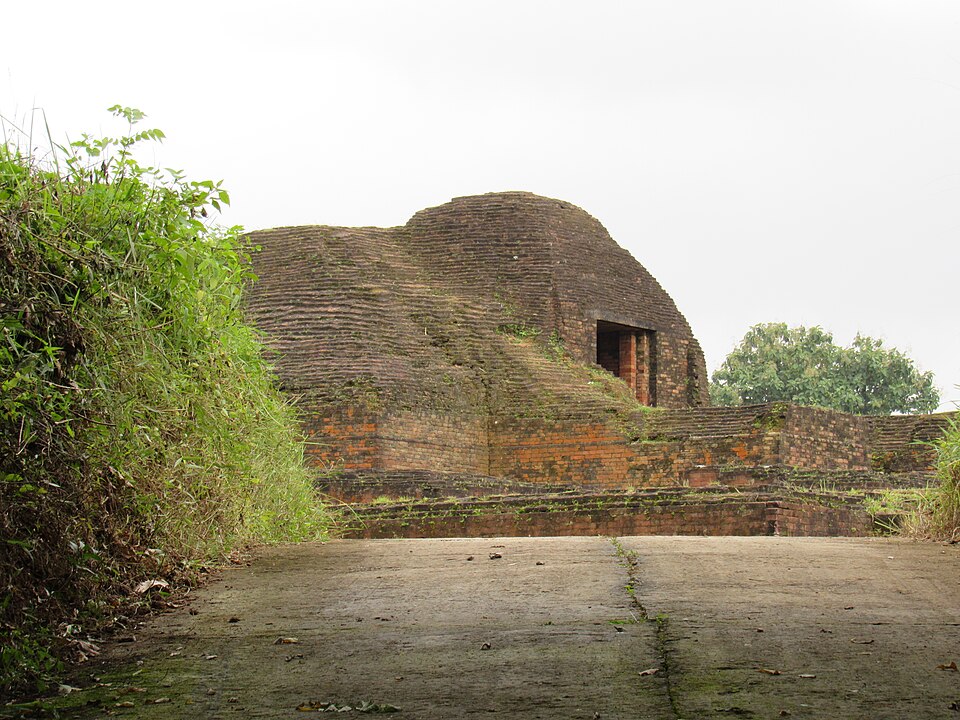 Archaeological siteAfifa Afrin · CC BY-SA 4.0
Rupban Mura
A monastery-and-shrine mound on the Kotbari road opposite Itakhola, dug in the 1990s: a semi-circular temple with a seated stone Buddha, among the oldest finds on the ridge (6th–7th century).
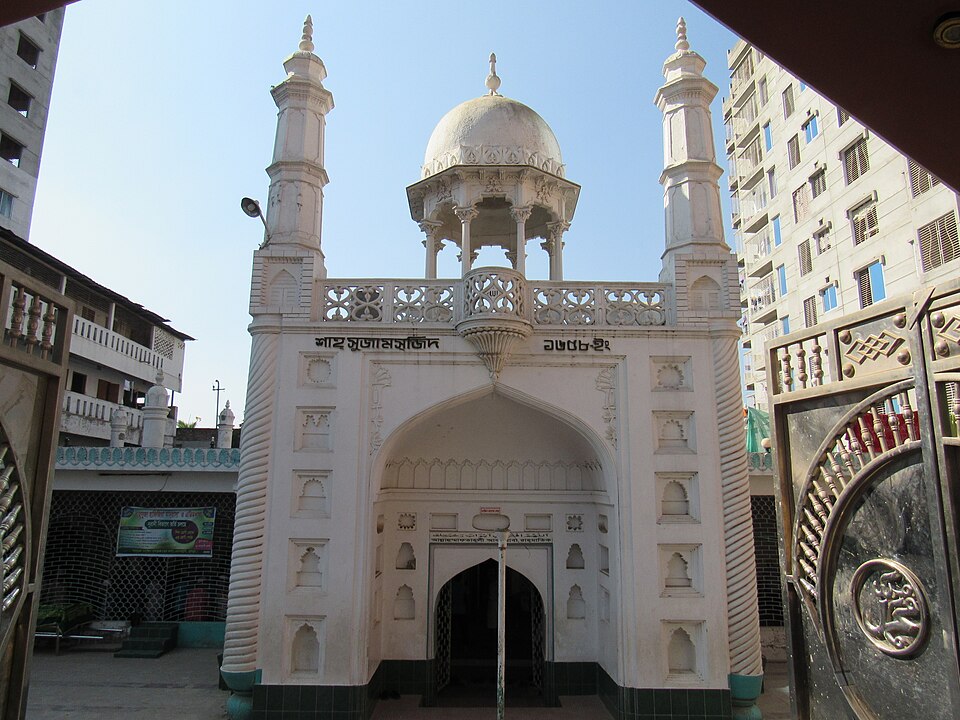 Mosque and shrineAfifa Afrin · CC BY-SA 4.0
Shah Shuja Mosque
The Mughal-era mosque at Mughaltuli in the old city, three domes on a plain brick body, traditionally dated to the 1650s and the governorship of Prince Shah Shuja; still the busiest mosque in town.
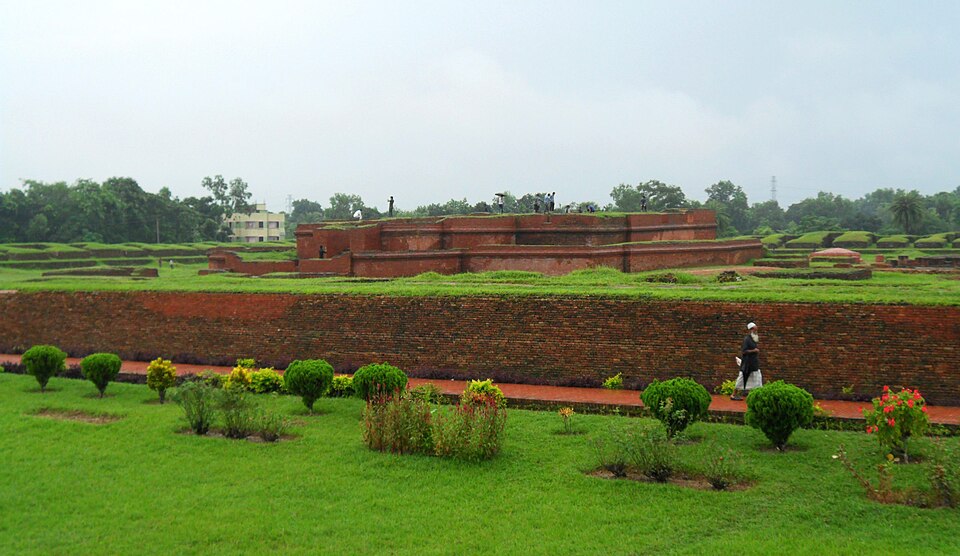 Archaeological siteSakib Ahmed Nasim · CC BY-SA 3.0
Shalban Vihara
The largest and best-kept of the Mainamati ruins: a square Buddhist monastery of 115 cells around a central shrine, built by the Deva kings around the 8th century and dug out of the sal forest in the 1950s.
Sources 3
Times, fares and opening hours change. Check before you go.
Take this guide offline.
The same guide, every place and photo, on your phone without a connection. Mark the district when you get there.