Archaeological site, Bagerhat
Mosque City of Bagerhatমসজিদের শহর বাগেরহাট
- Time needed
- A full day for everything; a morning for the two main groups.
- best months
- Nov–Feb
- Cost
- Only the Sixty Dome Mosque and the museum charge entry; a rickshaw reserved for the day is a few hundred taka.
The UNESCO World Heritage city of Khalifatabad: a 15th-century planned town of brick mosques, tombs, roads and tanks spread over 50 square kilometres of fields.
Plan your visit
- Best time
- November to February; the day starts cool and the light is soft.
At a glance
- World Heritage
- Inscribed 1985, criterion iv
- Founded
- 1440s by Khan Jahan Ali; he died 1459
- Area
- About 50 km², two main groups 6.5 km apart
About
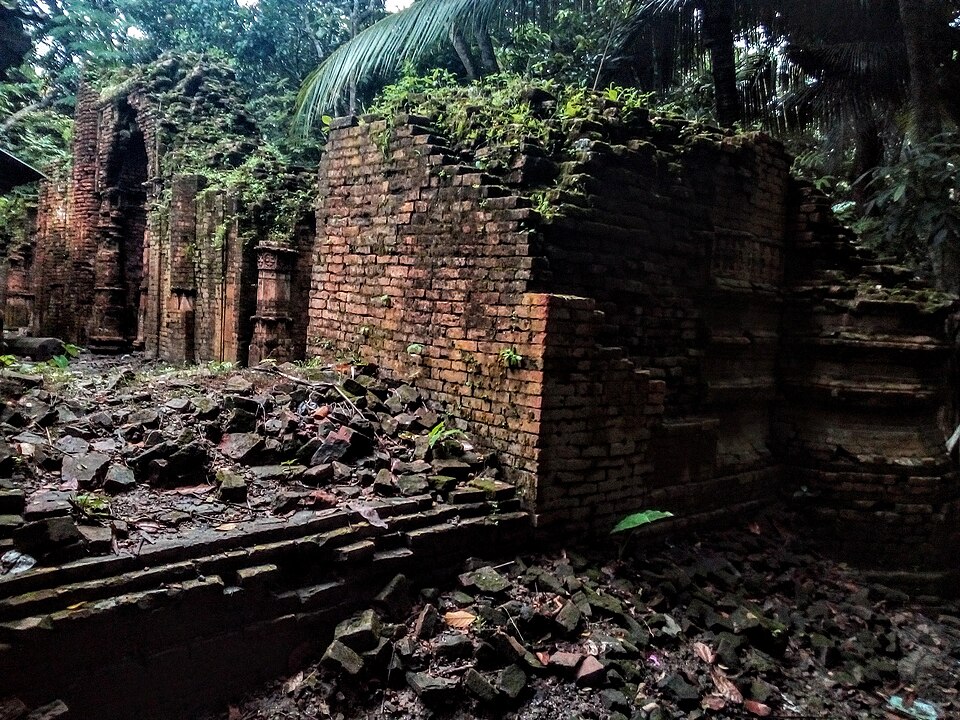
The World Heritage listing of 1985 is for the whole lost city, not one building, and it helps to think of it that way before you set out. In the 1440s Ulugh Khan Jahan, an officer of the Bengal Sultanate, took a grant of forest on the edge of the Sundarbans, cleared it, and laid out a town on a dead channel of the Bhairab: brick roads, bridges, cisterns, great tanks for sweet water, and, by tradition, 360 mosques. He named it Khalifatabad for his sultan and ran it until his death in 1459. Within a few generations the river shifted, the town emptied and the jungle covered everything; a British survey in 1895 began the slow uncovering, and UNESCO's work from the 1980s finished it.
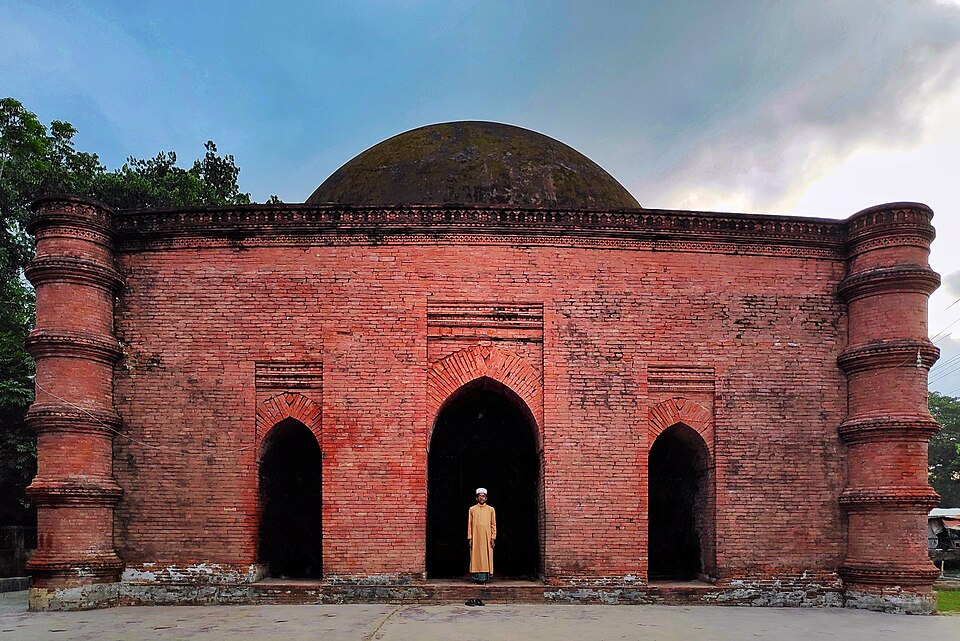
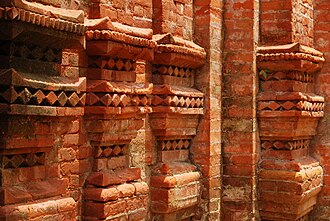
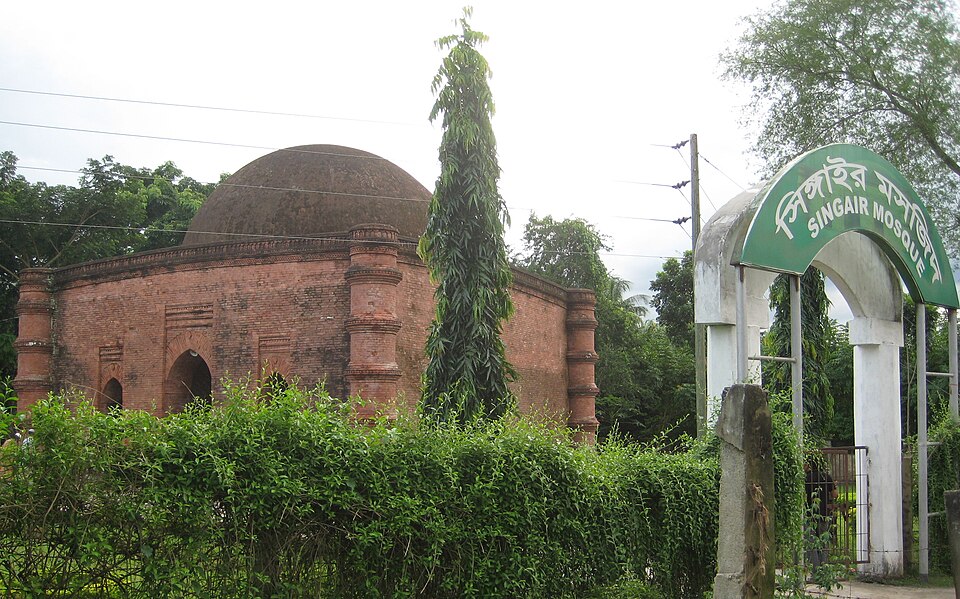
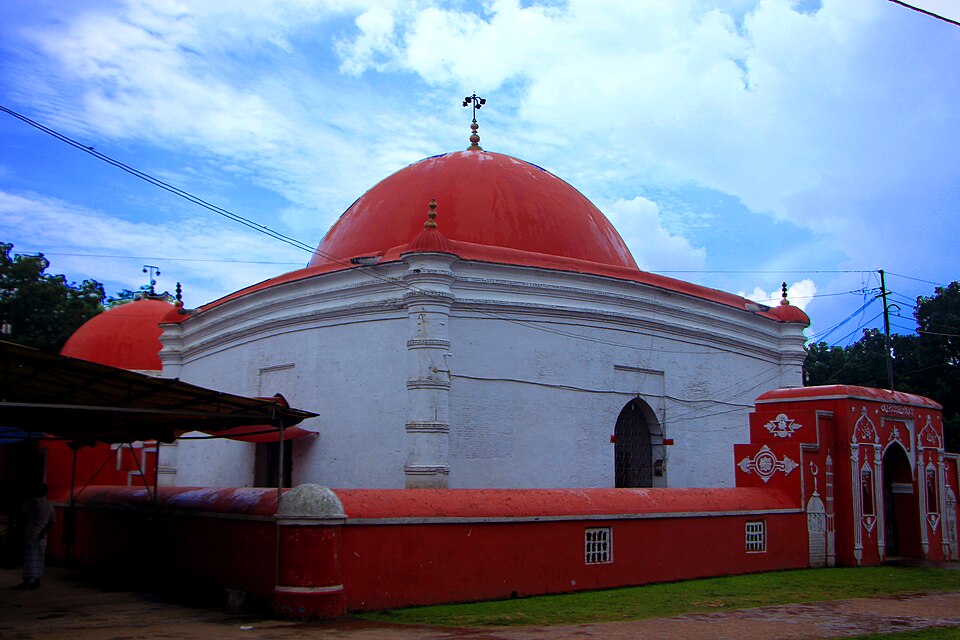
What survives stands in two groups about six kilometres apart. To the west, around the Ghora Dighi, is the Sixty Dome Mosque with Singair, Bibi Begni and Chunakhola. To the east, around the Thakur Dighi, is the tomb of Khan Jahan with the Nine Dome, Zinda Pir, Reza Khoda and Ten Dome mosques, and Ronvijoypur between the two. The architecture is a style of its own, named after the founder: thick tapering walls, round corner towers like a fort's, low domes, curved cornices borrowed from the thatched hut, and terracotta rather than stone for ornament. Everything is baked brick, which is why the salt air has been slowly eating it for five centuries and why conservation never ends.
A day is enough to see all of it by rickshaw; a morning covers the two main groups. The pages for each monument have the details.
Getting there: The monuments lie 3 to 6 km west and south-west of Bagerhat town along the Khulna road; see each monument's page.
Things to do
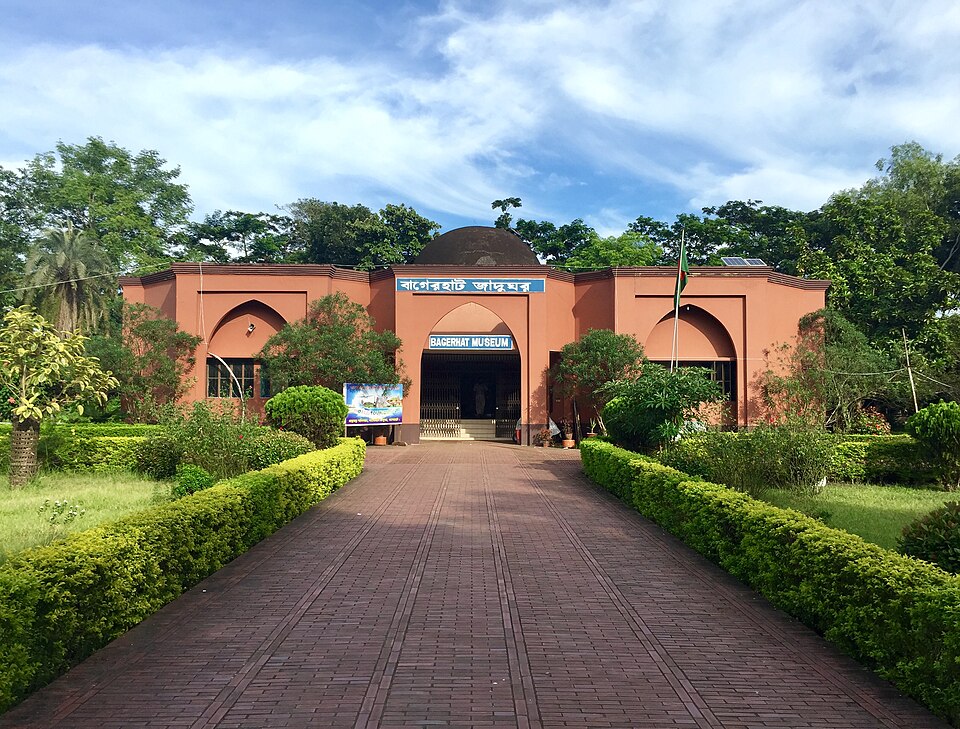
- Do the western group on foot: Sixty Dome, museum, Singair, then along the Ghora Dighi to Bibi Begni and Chunakhola.
- Ride to the eastern group via Ronvijoypur: the tomb, the crocodile tank, Nine Dome, Zinda Pir and Reza Khoda.
- End at the tomb on a Thursday evening for the gathering.
Good to know
- Reserve one battery rickshaw for the day from the Sixty Dome gate; agree the price and the stops first.
- Carry water; there is little shade between the monuments.