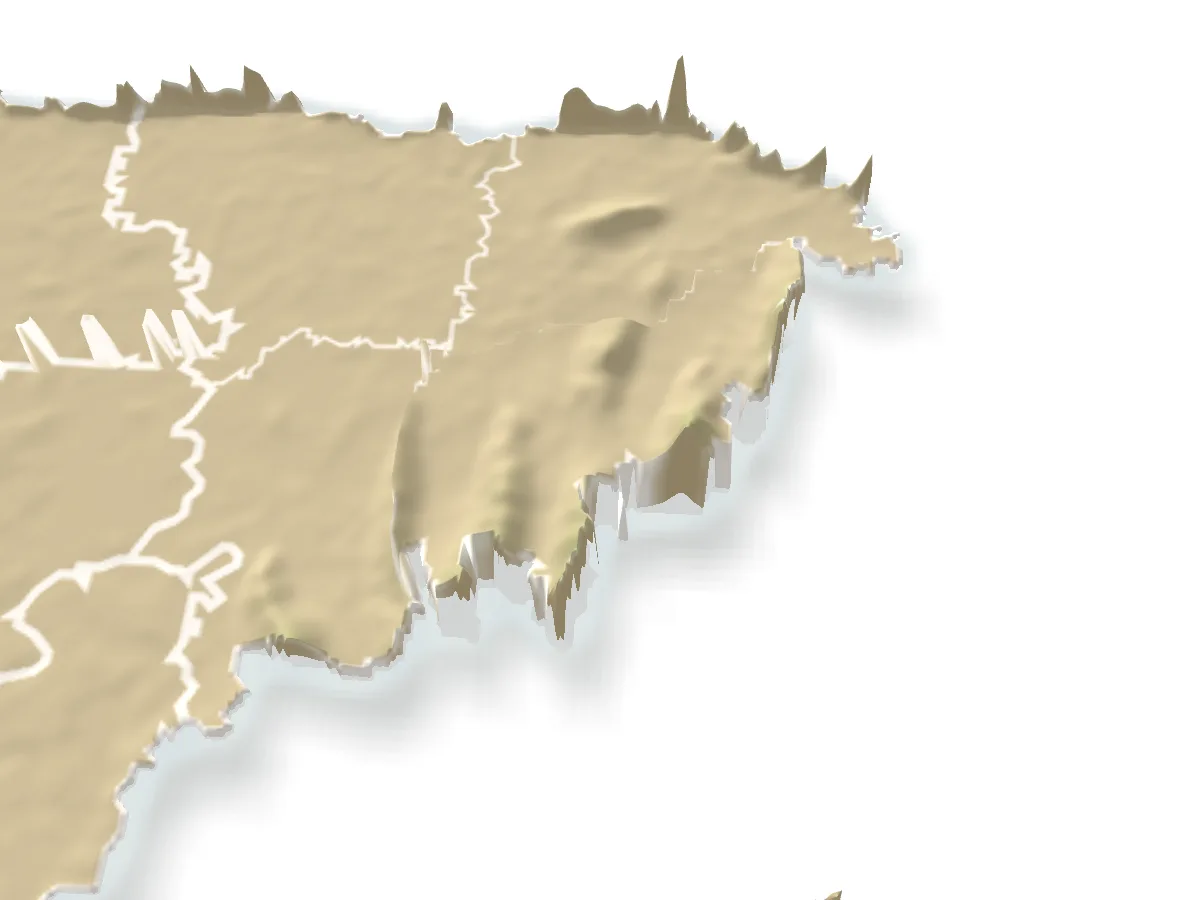
Known for
- 1
The tea district.
Moulvibazar holds most of the country's tea gardens, and Sreemangal is where travellers stay: rows of clipped bushes over low hills, shade trees, pickers at work, the Tea Research Institute, and the famous layered tea poured in town.
- 2
Forest and falls.
Lawachara's rain forest, home of the hoolock gibbon, with a railway running straight through it; Madhabkunda and Parikunda in the Patharia hills of Barlekha; and Hum Hum, a long walk into the Rajkandi forest.
- 3
Wetlands and winter birds.
Hakaluki, the largest haor in the country, and Baikka Beel, a protected sanctuary in Hail Haor near Sreemangal, fill with migratory ducks and waders from November to February.
Best season
GoodFairNov–Feb
November to February for clear, cool days and the birds on the haors. The waterfalls are at their fullest June to September, but the forest trails, especially to Hum Hum, are muddy and leech-ridden then. The tea gardens are greenest after the first rains.
Getting there
Train
Dhaka
About 5 h to Sreemangal
Sylhet-bound intercity trains stop at Sreemangal and Kulaura
Bus
Dhaka
About 4–5 h
To Sreemangal or Moulvibazar town
Getting around
Sreemangal
CNG or a hired jeep to Lawachara, Madhabpur Lake and Kalenji for Hum Hum
Trains on the Dhaka–Sylhet line stop at Sreemangal and Kulaura; buses from Dhaka reach Sreemangal and Moulvibazar town. Around Sreemangal, CNG auto-rickshaws and hired jeeps take you to Lawachara, Madhabpur Lake and the start of the Hum Hum walk. Madhabkunda is reached from Kulaura or Barlekha by road.
Local food
Layered teaMust try
Several coloured layers in one glass, poured in Sreemangal
Shatkora curry
Beef or fish cooked with the sour Sylheti citrus
Tea above all: fresh garden tea everywhere, and the layered tea of Sreemangal's tea cabins. Sylheti cooking with shatkora (a sour citrus) in beef or fish curry, and haor fish in season.
Places to see
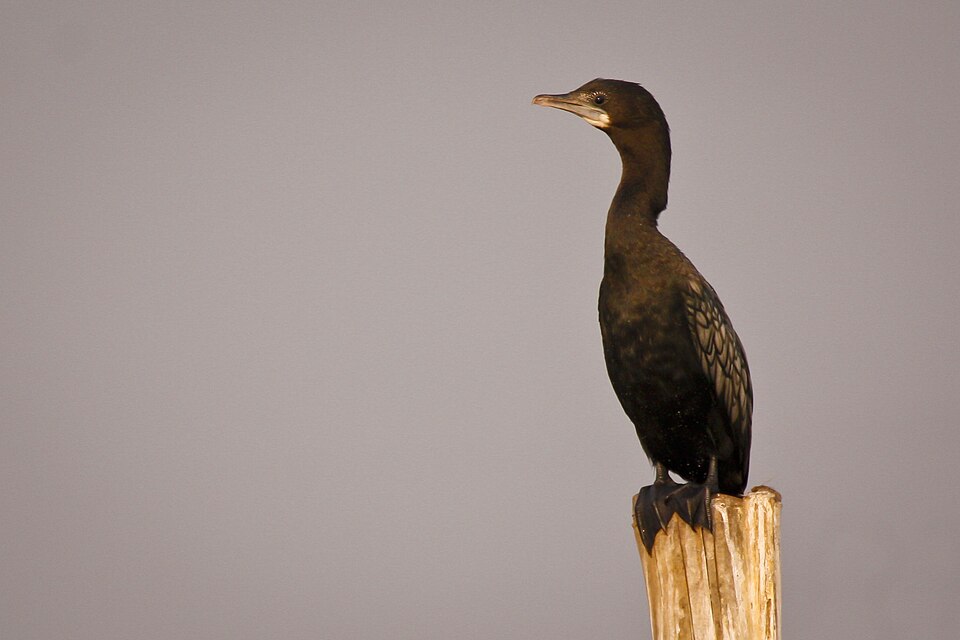 Wildlife and national parkFaisal Akram from Dhaka, Bangladesh · CC BY-SA 2.0
Baikka Beel
A protected wetland of about 100 hectares in Hail Haor near Sreemangal, with a watchtower over water full of winter birds.
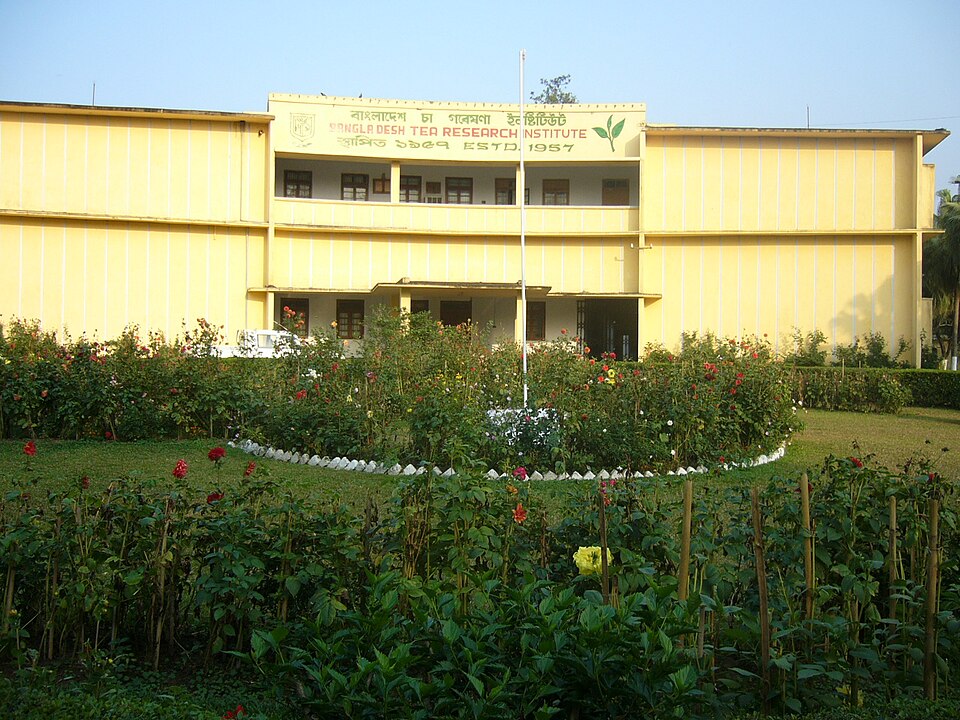 Tea gardenShahnoor Habib Munmun · CC BY-SA 3.0
Bangladesh Tea Research Institute
The country's tea research centre on the edge of Sreemangal, with trial gardens, nurseries and old trees.
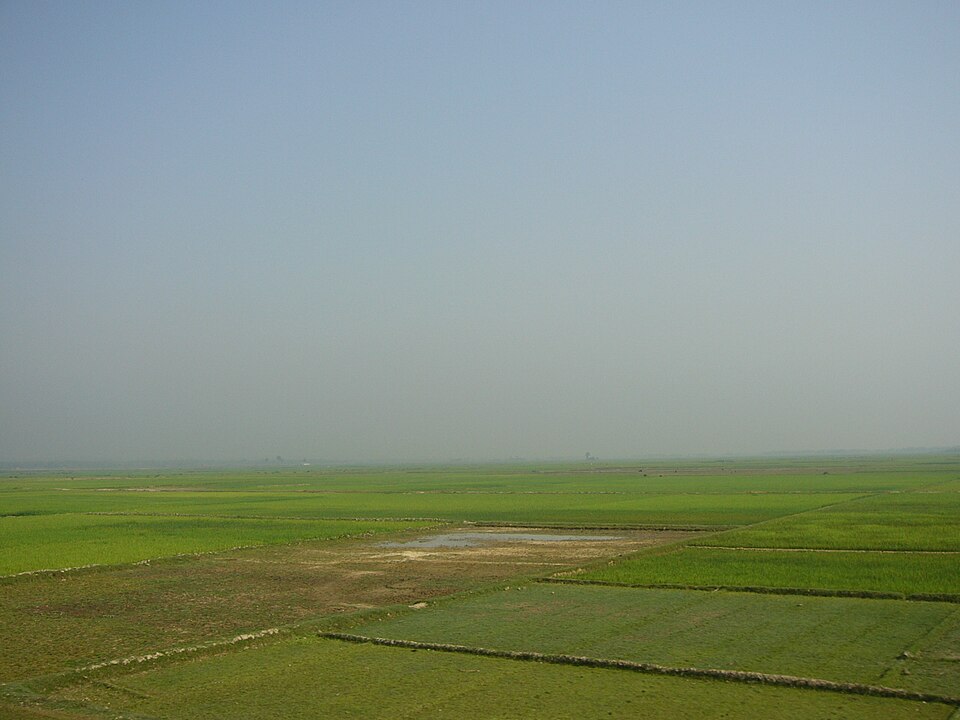 River, lake and haorNo machine-readable author provided. Shmunmun assumed (based on copyright claims). · CC BY 2.5
Hakaluki Haor
The largest haor in Bangladesh, a freshwater wetland of more than 18,000 hectares shared with Sylhet, famous for its winter birds.
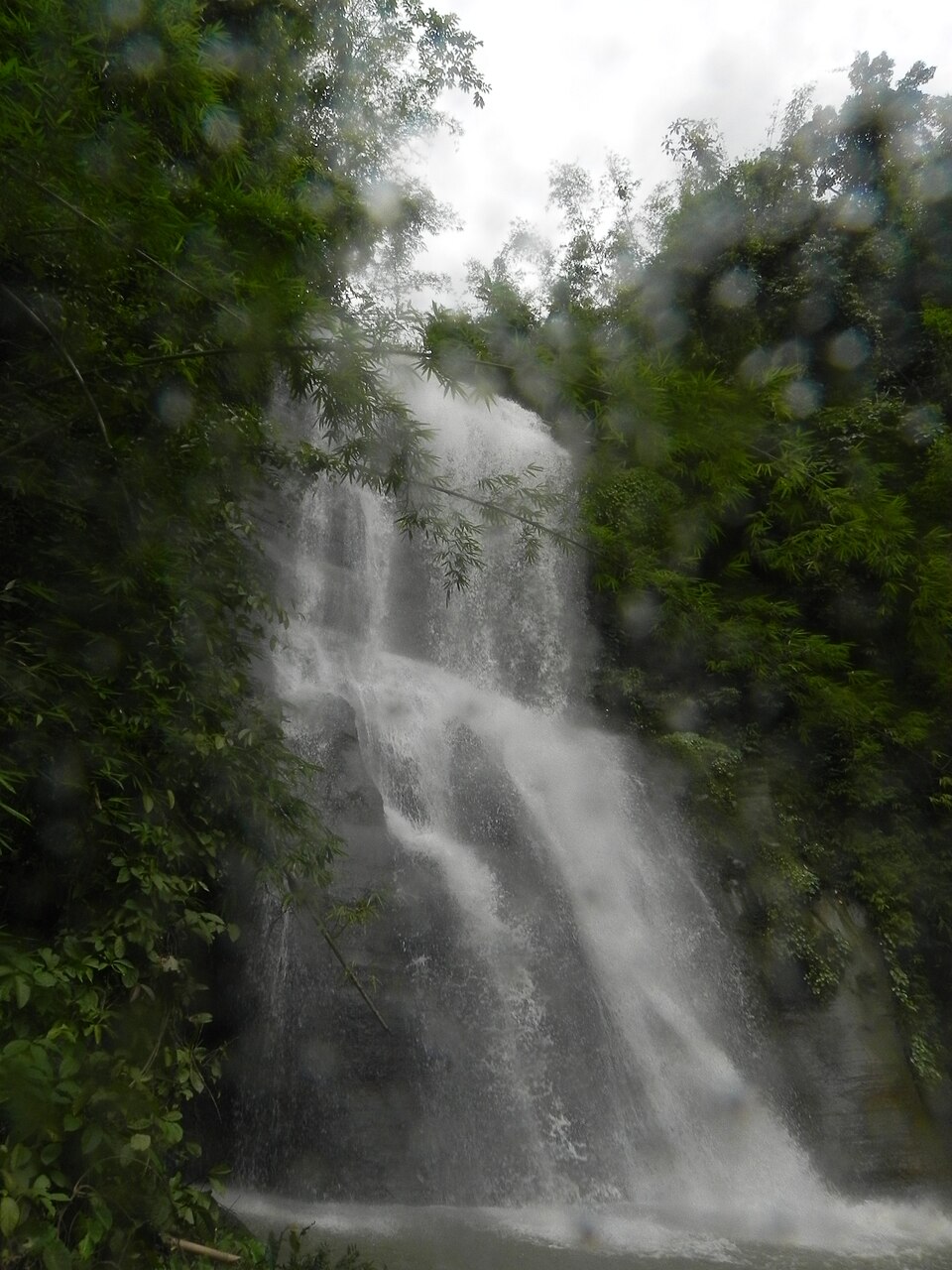 WaterfallTanweer Morshed · CC BY-SA 3.0
Hum Hum Waterfall
A tall fall deep in the Rajkandi reserved forest of Kamalganj, reached only on foot through hills and streams.
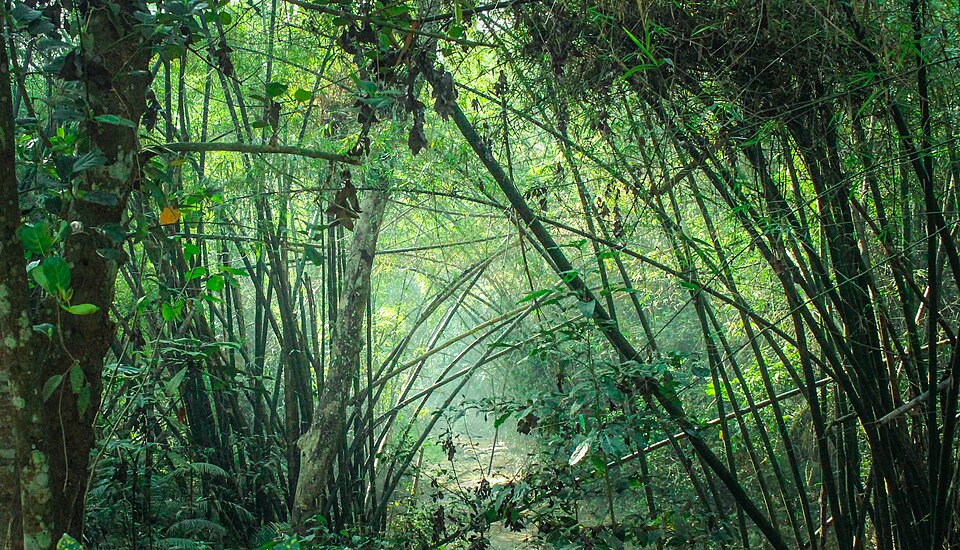 Forest and mangroveAbu Hasan Mehedi · CC BY 2.0
Lawachara National Park
A protected patch of semi-evergreen forest near Sreemangal, about 1,250 hectares, best known for hoolock gibbons and the railway line that cuts through it.
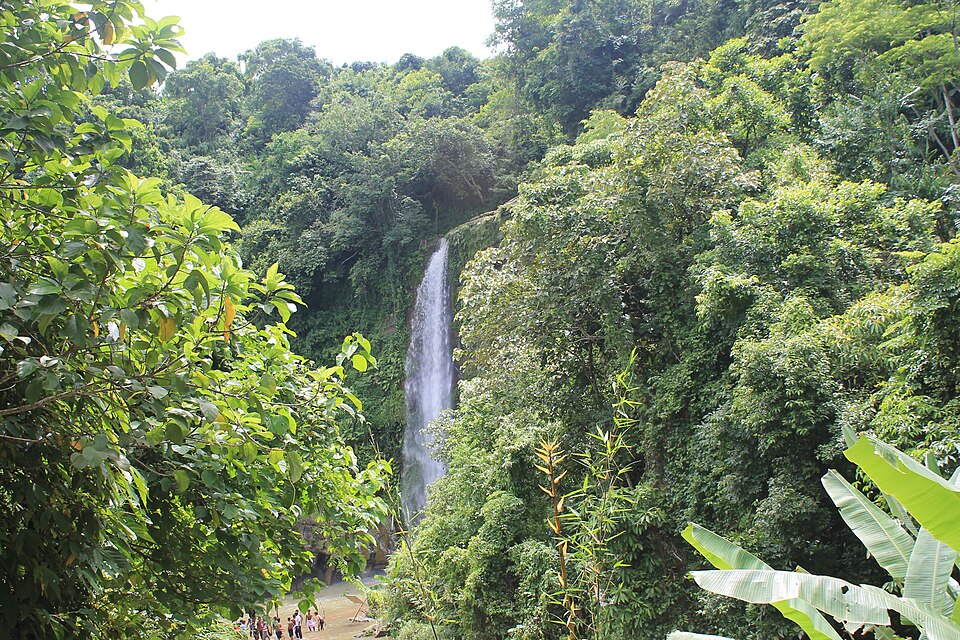 WaterfallNhasive · CC BY-SA 4.0
Madhabkunda Waterfall
One of the best-known waterfalls in the country, where a stream drops off the Patharia hills in Barlekha into a deep pool.
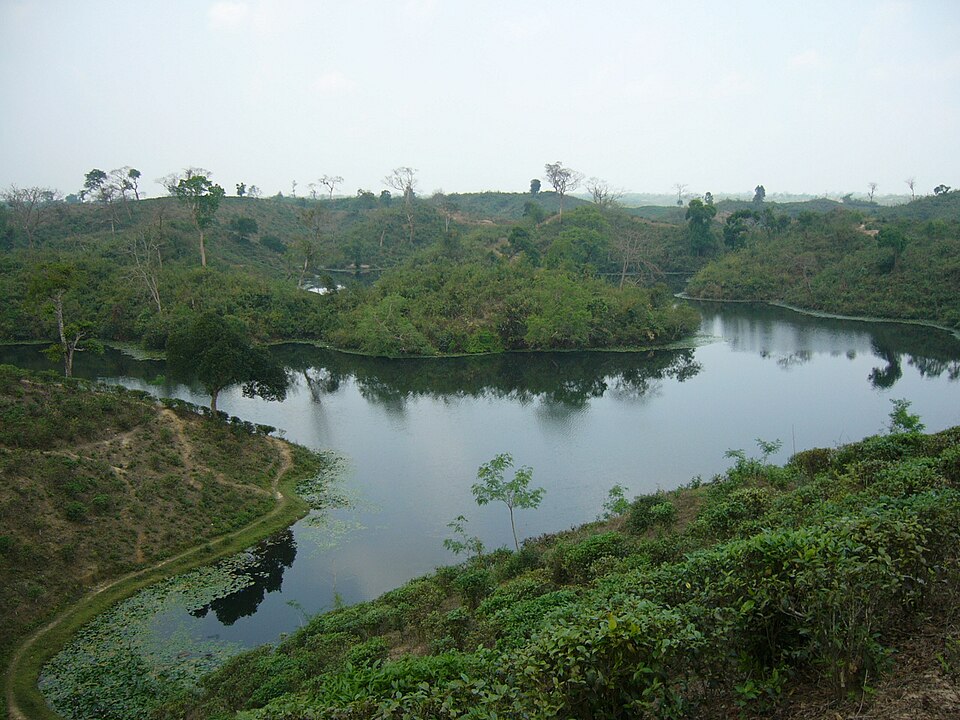 River, lake and haorShahnoor Habib Munmun · CC BY 3.0
Madhabpur Lake
A long, narrow lake folded between tea-covered hillocks in Kamalganj, with water lilies in season.
 Food spotRisalat · Public domain
Nilkantha Tea Cabin
Sreemangal's famous tea cabin, where tea is poured in several coloured layers in one glass.
Parikunda Waterfall
A quieter fall of about 150 feet in the same Patharia hills, a short walk from Madhabkunda.
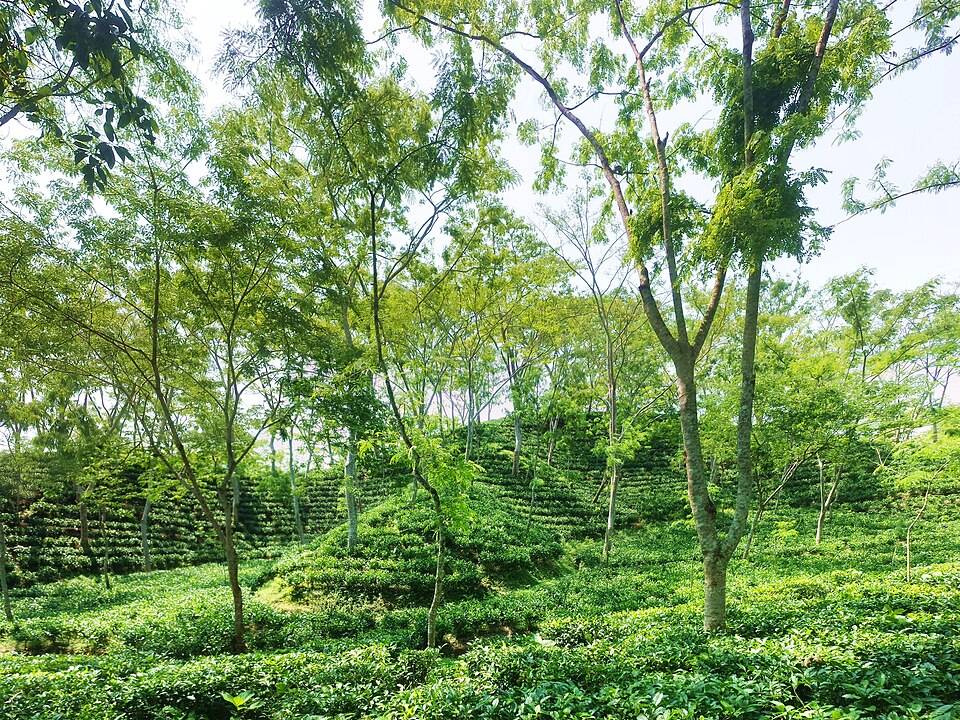 Tea gardenMar11 · CC BY-SA 4.0
Sreemangal tea gardens
The rolling estates around Sreemangal, the town that calls itself the tea capital, where you can walk between the bushes for hours.
Sources 2
Times, fares and opening hours change. Check before you go.
Take this guide offline.
The same guide, every place and photo, on your phone without a connection. Mark the district when you get there.