Known for
- 1
The haor country.
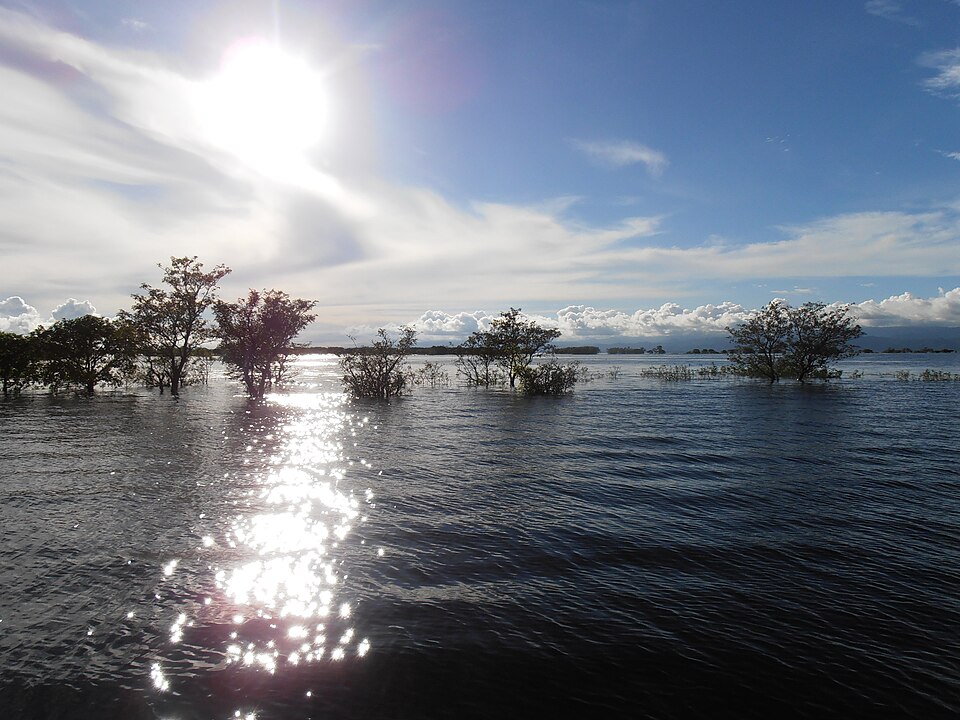
Sunamganj is a low bowl of wetlands under the Meghalaya hills. In the rains the haors join into one inland sea with villages on mounds; in winter the water drains back to beels, fields and migrant birds. Tanguar Haor, a Ramsar site, is the reason most people come, usually on a houseboat from Tahirpur.
- 2
The border edge.
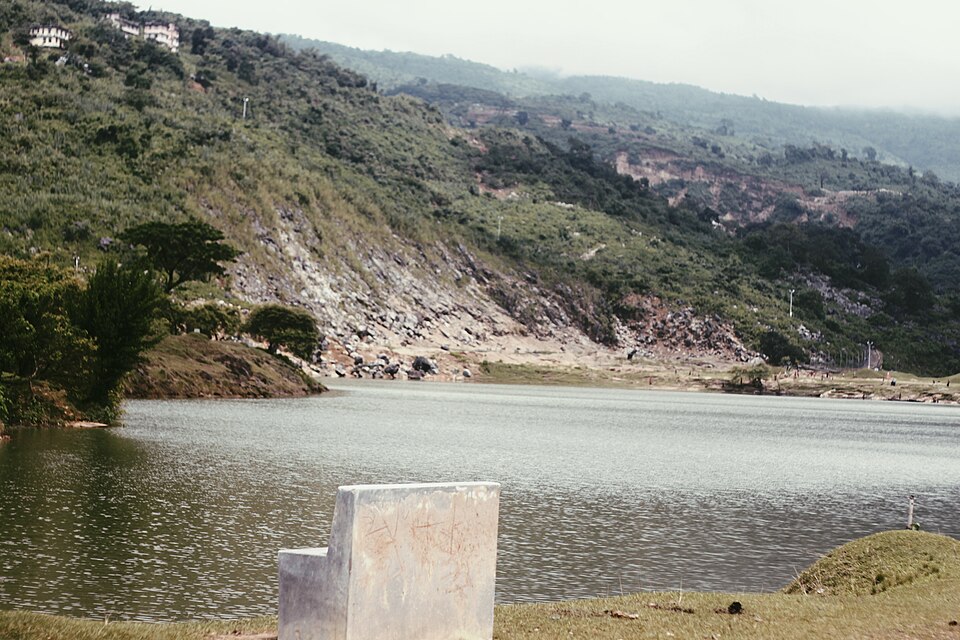
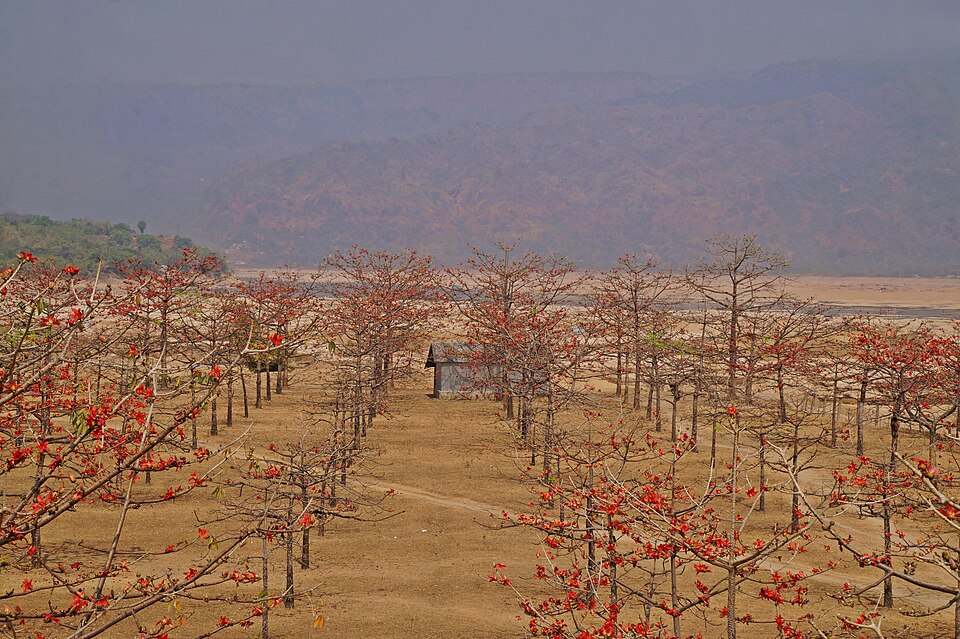
Along the northern border the hills rise straight out of the plain: the blue quarry lake of Niladri at Tekerghat, Barik Tila above the Jadukata river with its clear water and sand, and the red Shimul Bagan in February. All of them fit into one or two days from Tahirpur.
- 3
The land of songs.
Two of Bengal's great folk poets came from here: the zamindar mystic Hason Raja, whose home in the town is now a museum, and Shah Abdul Karim of Ujandhol in Derai, the bard of the haor.
Best season
GoodFairJul–Sep
July to September for the haor full of water, houseboat nights and the hills streaming with falls. December to February for migrant birds on Tanguar's beels, dry tracks along the border and, in February, the Shimul Bagan in flower. April and May bring early flash floods and storms over open water.
Getting there
Bus
Dhaka
6–7 h
To Sunamganj town; day and night buses
Bus
Sylhet
2 h
Frequent buses and shared cars
Getting around
Tahirpur
Houseboats and engine boats in the rains; motorbikes along the border in winter
Buses run from Dhaka to Sunamganj town (about 6 to 7 hours) and from Sylhet (about 2 hours). From the town, CNGs and motorbikes go to Tahirpur; in the rains boats leave from Tahirpur ghat for Tanguar Haor and Tekerghat, while in winter the border spots are reached by road and motorbike.
Local food
Haor fish cooked on the boatMust try
Caught that day, cooked by the boat crew
Haor duck curry
Ducks raised on the open water
Haor fish above all: fresh boal, ayre, rui and small fish cooked on the boats, duck from the haor villages, and shutki (dried fish) from the winter beels. Satkora, the Sylheti citrus, flavours meat curries.
Places to see
 Hills and mountainsUzzal Mia · CC BY-SA 3.0
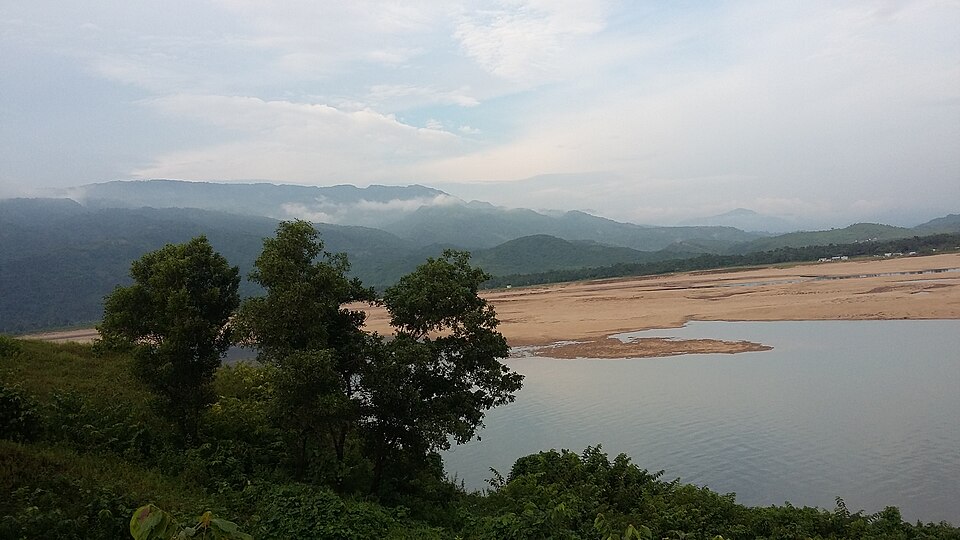
Barik Tila
A green hillock on the border at Laurergarh, Tahirpur, looking down on the clear Jadukata river as it leaves the Meghalaya hills.
 Museum and galleryBellayet · CC BY-SA 3.0
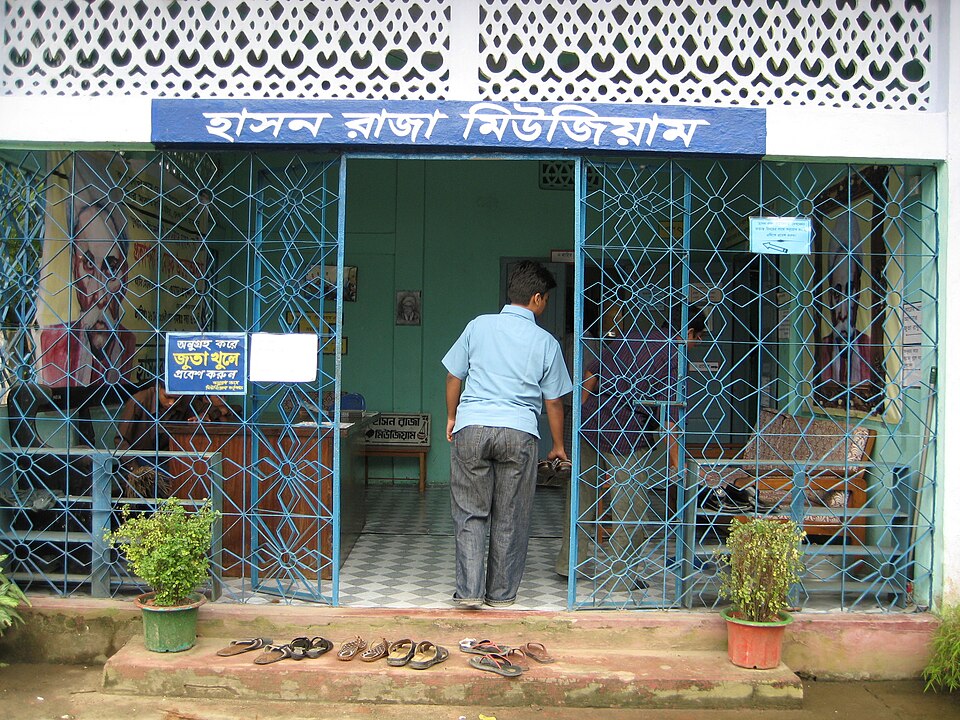
Hason Raja Museum
The family home of the mystic poet Hason Raja (1854–1922) in Sunamganj town, now a small museum of his belongings and songs.
 River, lake and haorSajid nijhu · CC BY-SA 4.0
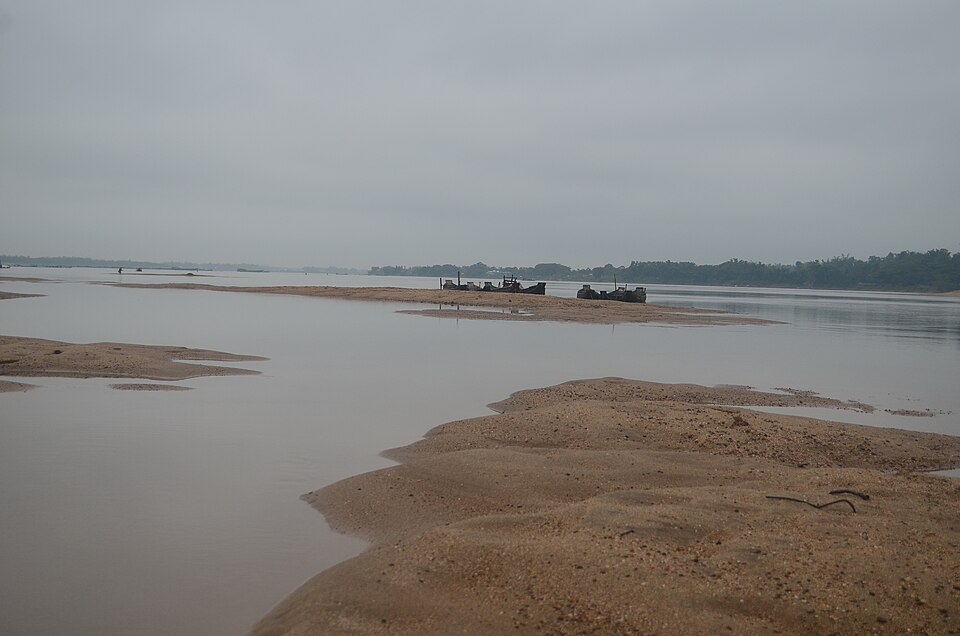
Jadukata River
A short border river that comes out of the Meghalaya hills with water clear enough to see the stones beneath, flowing across wide sandbanks into the haors of Tahirpur.
 River, lake and haorPriom Pritom · CC BY-SA 4.0
Niladri Lake, Tekerghat
A flooded limestone quarry at Tekerghat, officially Shahid Siraj Lake, whose blue-green water lies right under the Meghalaya hills.
 Mosque and shrineAshraful71 · CC BY-SA 4.0
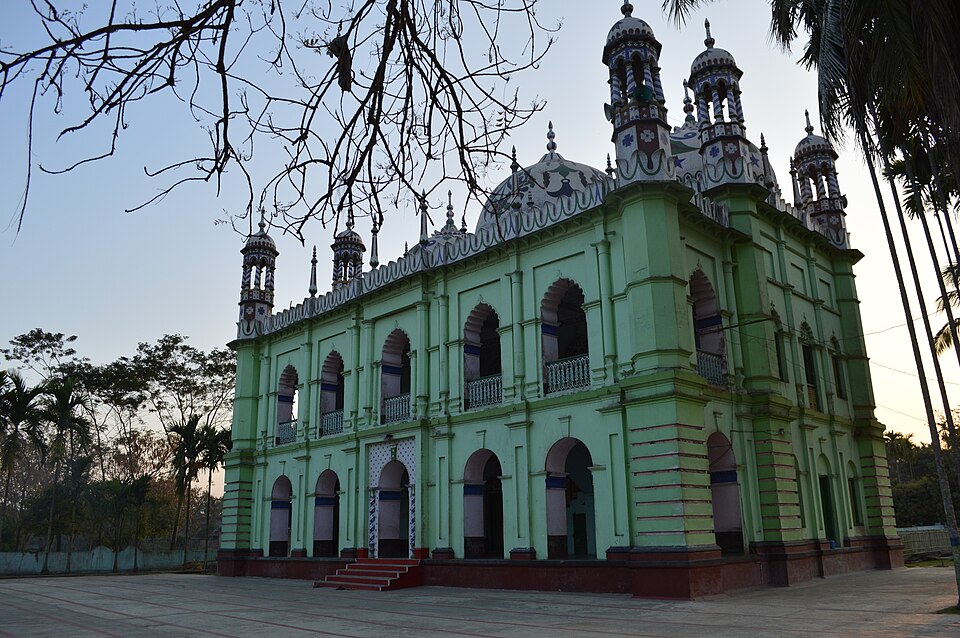
Pagla Mosque, Raipur
A grand three-storey domed mosque of the early twentieth century on the bank of the Mahasing river at Raipur, Shantiganj (South Sunamganj).
Shah Abdul Karim's home, Ujandhol
The village home and grave of the baul Shah Abdul Karim (1916–2009) at Ujandhol in Derai, on the bank of the Kalni river in the deep haor.
 Park, eco park and picnic spotPrantz007 · CC BY-SA 4.0
Shimul Bagan, Tahirpur
A large planted grove of silk-cotton trees on the bank of the Jadukata, which turns a sea of red when the trees flower in late winter and spring.
 River, lake and haorMunirul Hasan · CC BY-SA 4.0
Tanguar Haor
A vast freshwater wetland at the foot of the Meghalaya hills, the country's second Ramsar site after the Sundarbans: an open sea of water in the rains, a mosaic of beels full of migrant birds in winter.
Sources 2
Times, fares and opening hours change. Check before you go.
Take this guide offline.
The same guide, every place and photo, on your phone without a connection. Mark the district when you get there.