Island, Noakhali
Nijhum Dwipনিঝুম দ্বীপ
- Time needed
- Two nights with the journey.
- best months
- Nov–Feb
- Cost
- Boats and motorbikes about ৳500–1,000 each way from Chairman ghat; rooms ৳800–3,000.
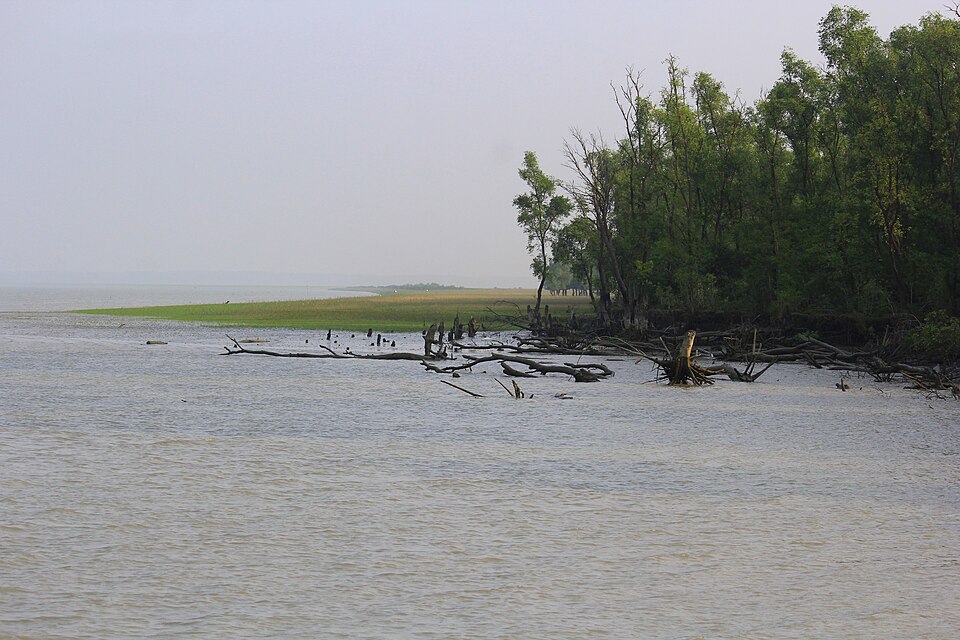
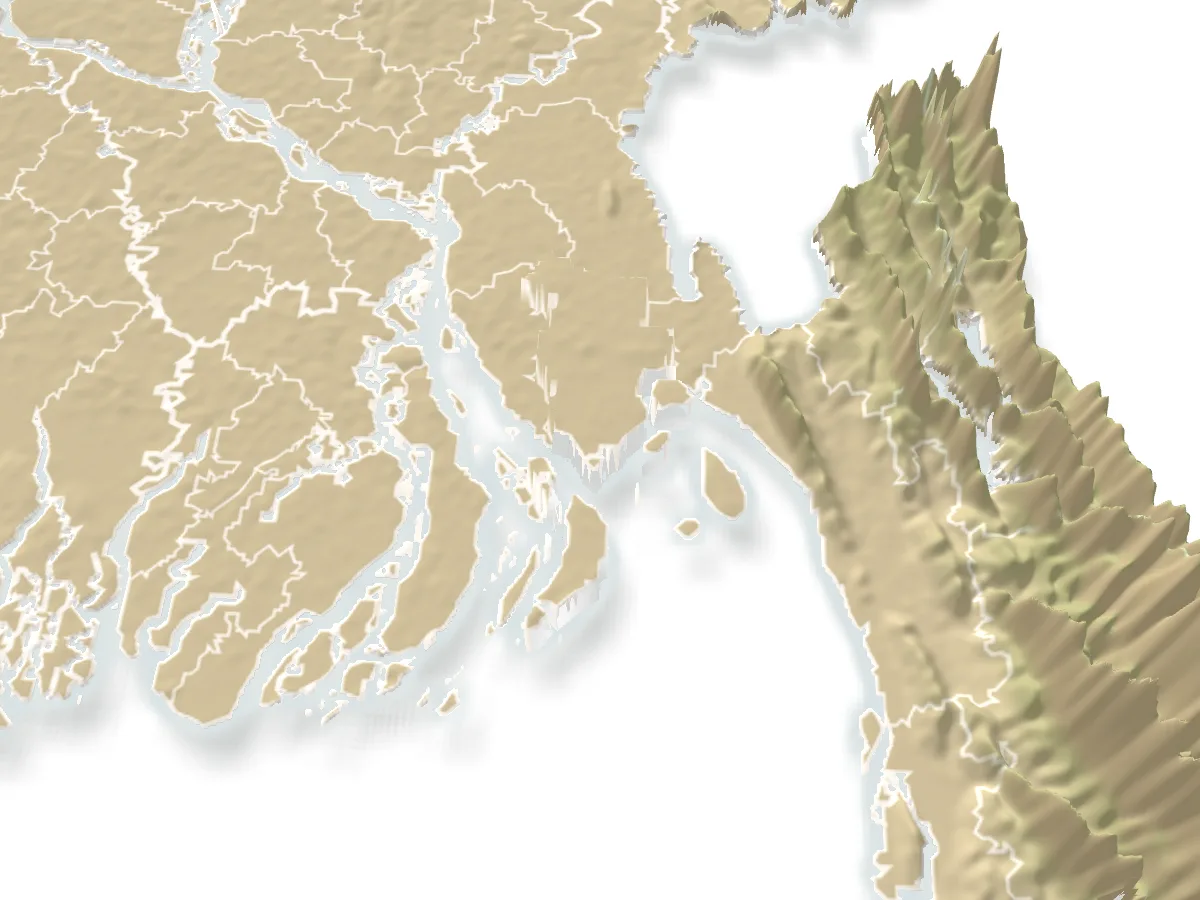
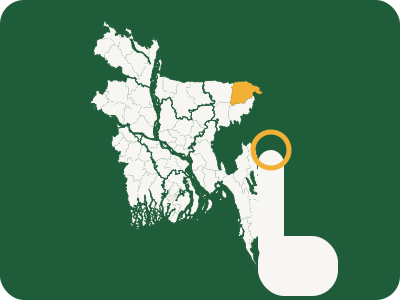
The "silent island" at the southern tip of Hatiya: a planted mangrove forest on 1970s char land, thousands of spotted deer, a wide beach, winter birds and a sunset over the open sea; a national park since 2001.
Plan your visit
- Best time
- December to February; dawn for the deer.
At a glance
- National park since
- 2001
- Deer
- Spotted deer, released from 1978
- Forest planted
- From 1972
About
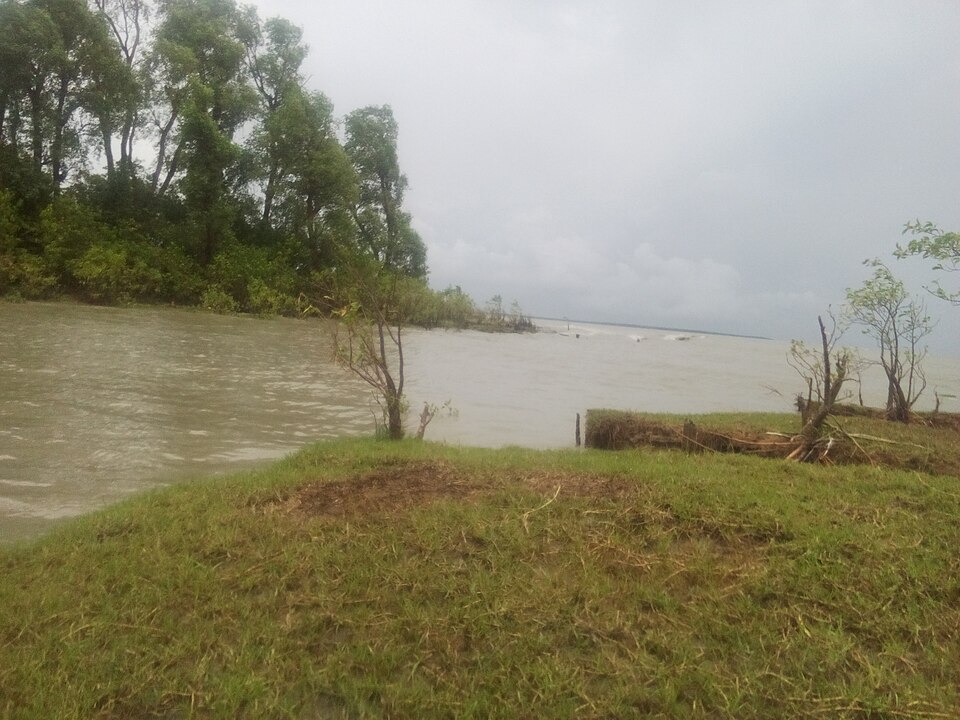
The island rose from the Meghna estuary in the 1950s as a cluster of chars. The Forest Department planted keora mangrove across it from 1972 and released a few pairs of spotted deer, which multiplied into a herd of thousands; the name was given for its silence. Today about 20,000 people live on the north side, fishing and farming, while the south is forest, meadow and a long beach facing the Bay.
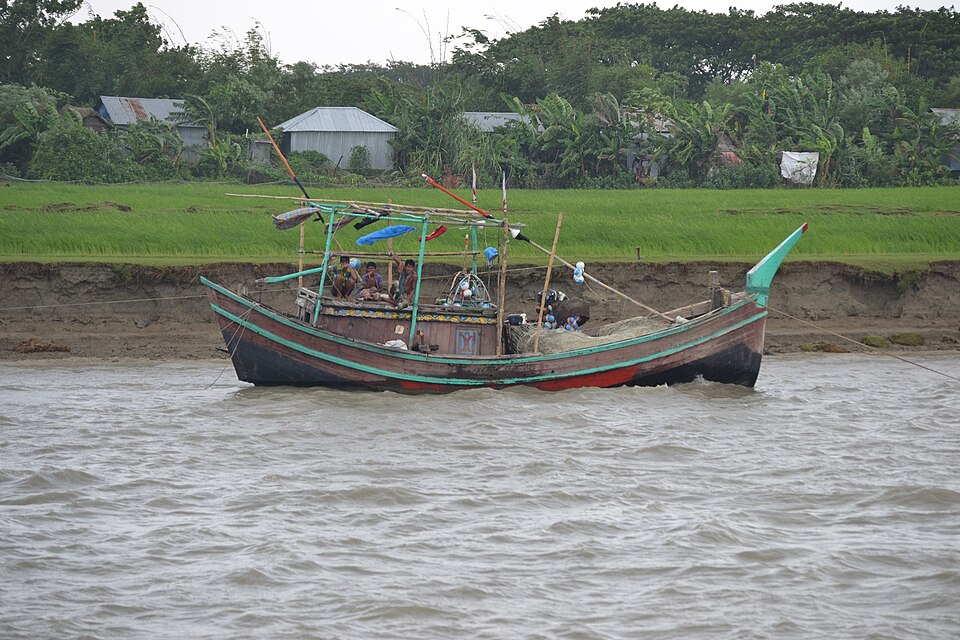
The visit is the forest walk at dawn to see the deer (Chowdhury Khal and the planted blocks), the beach and sunset point, a boat through the creeks, and in winter the ducks and waders on the mudflats. There are a few guesthouses and the Forest Department rest house at Namar bazar; electricity is solar and patchy. Getting here takes most of a day from Maijdee, so plan two nights.
Getting there: Maijdee → Chairman ghat by bus (1.5 h) → sea truck or launch to Nalchira on Hatiya (1–2 h) → motorbike or bus across Hatiya to Moktaria ghat (1.5 h) → boat to Nijhum Dwip (30 min), then motorbike to Namar bazar.
Things to do
- Walk into the keora forest at first light with a local guide for the deer.
- Boat through Chowdhury Khal and out to the beach for sunset.
Good to know
- Carry cash, a torch and any medicine; there is no bank and the clinic is basic.
- Check the sea truck and boat times the day before; they stop in wind.