Known for
- 1
Nijhum Dwip.
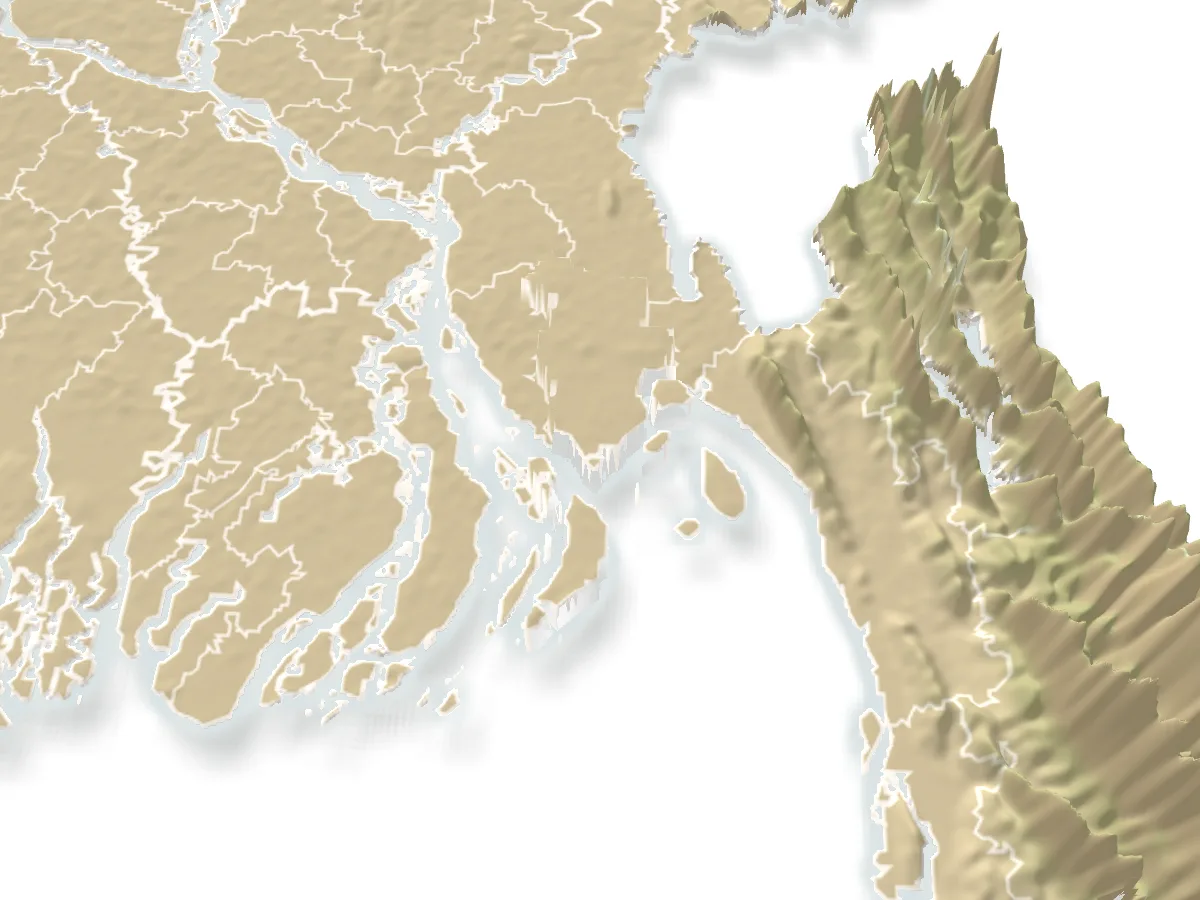
The silent island at the bottom of Hatiya, a mangrove forest planted on new land in the 1970s and now full of spotted deer, with a beach on the open sea and a sunset that is the reason people make the long trip down: bus to the ghat, boat to Hatiya, motorbike to the last channel, boat again.
- 2
New land.
Noakhali is a district that keeps growing: the Meghna drops silt and chars rise out of the estuary year after year. Hatiya, Swarna Dwip and the chars south of Subarnachar are land that did not exist a century ago. On the mainland, the Mughal Bajra Shahi mosque at Sonaimuri and Gandhi's ashram at Jayag are the old stops.
Best season
GoodFairNov–Feb
November to February is the only sensible time for the islands: the estuary is calm, the boats run to schedule, the deer come out onto the Nijhum Dwip meadows in the cool mornings, and the winter ducks are in. From April the sea gets rough and from June to September the crossings are dangerous and often stop; cyclone season (May, October to November) closes them outright.
Getting there
Bus
Dhaka
5–6 h, ৳500–900
To Maijdee; Himachal, Ekushe and others from Sayedabad
Train
Dhaka
6 h
Noakhali Express / Upakul Express to Maijdee
Launch
Dhaka Sadarghat
12 h
Overnight to Hatiya (Tamaruddin ghat), in season
Getting around
To Nijhum Dwip
Chairman ghat → Nalchira (sea truck) → Moktaria (motorbike) → boat
Buses from Dhaka reach Maijdee, the district town, in 5 to 6 hours; the Noakhali Express train from Dhaka takes about 6. For Hatiya and Nijhum Dwip, go on to Chairman ghat at the south of the mainland (bus from Maijdee, 1.5 hours), take the sea truck or launch to Nalchira ghat on Hatiya (1 to 2 hours), cross the island by motorbike or bus to Moktaria ghat (1.5 hours), and take the last boat to Nijhum Dwip. A direct launch from Sadarghat in Dhaka also runs overnight to Hatiya (12 hours).
Local food
Khola jali pitha with duckMust try
The district's winter dish
Island crab and fishMust try
Cooked at the Nijhum Dwip bazar
Noakhali is known for its khola jali pitha with duck or beef curry, for narkel naru and the Mughal-style sweets of Chowmuhani, and on the islands for the fresh river and sea fish, crab and the ducks that are raised on every char. Shutki from Hatiya goes home with most visitors.
Places to see
 Mosque and shrineKazi Rashed Abdallah · CC BY-SA 4.0
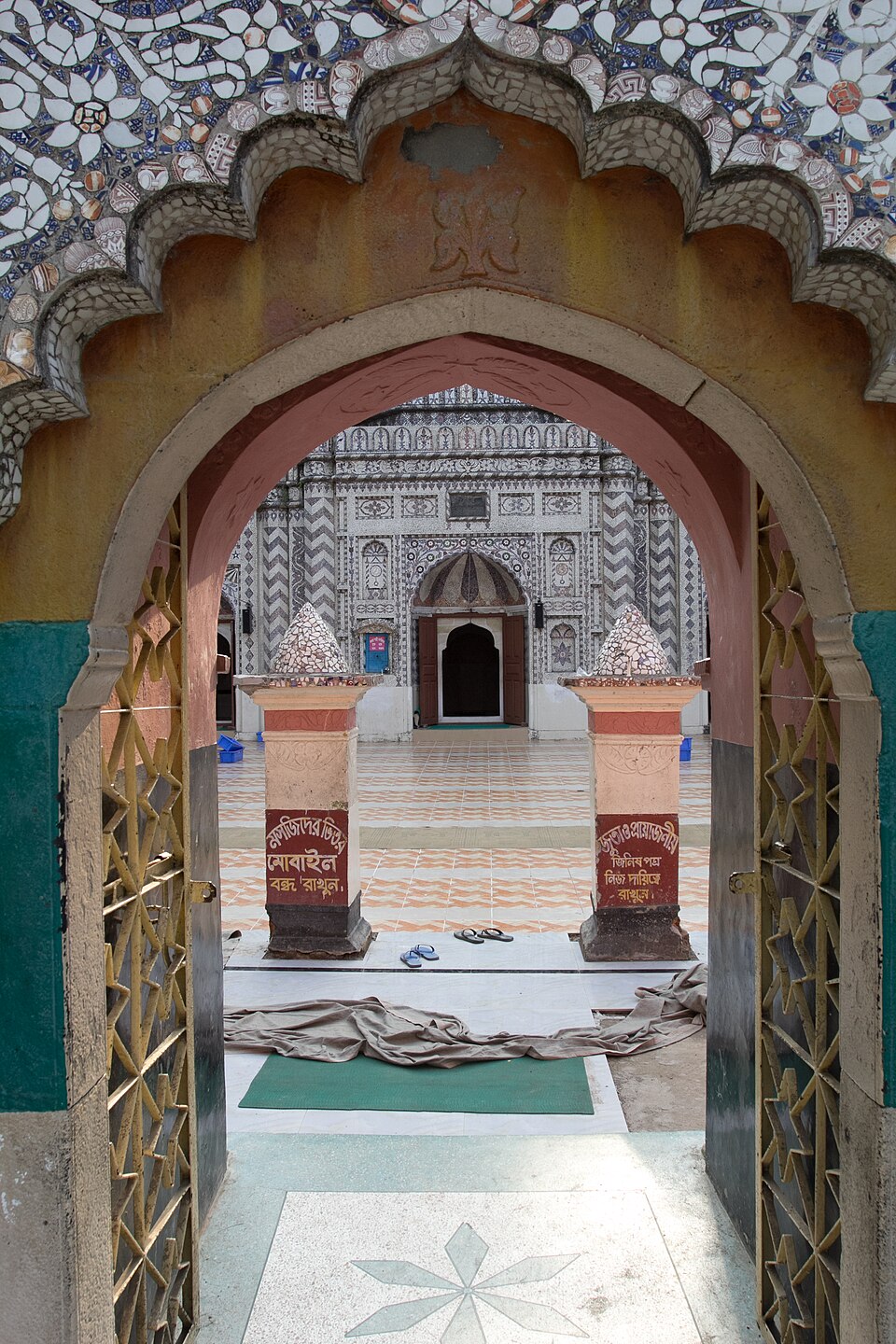
Bajra Shahi Mosque
A Mughal mosque of 1741 at Bajra in Sonaimuri, built by the zamindar Aman Ullah in the style of Delhi's Jama Masjid: three domes, a raised platform over a big tank, and mosaic of Chinese porcelain added in the 1900s.
 Museum and galleryRadman Siddiki · CC BY-SA 4.0
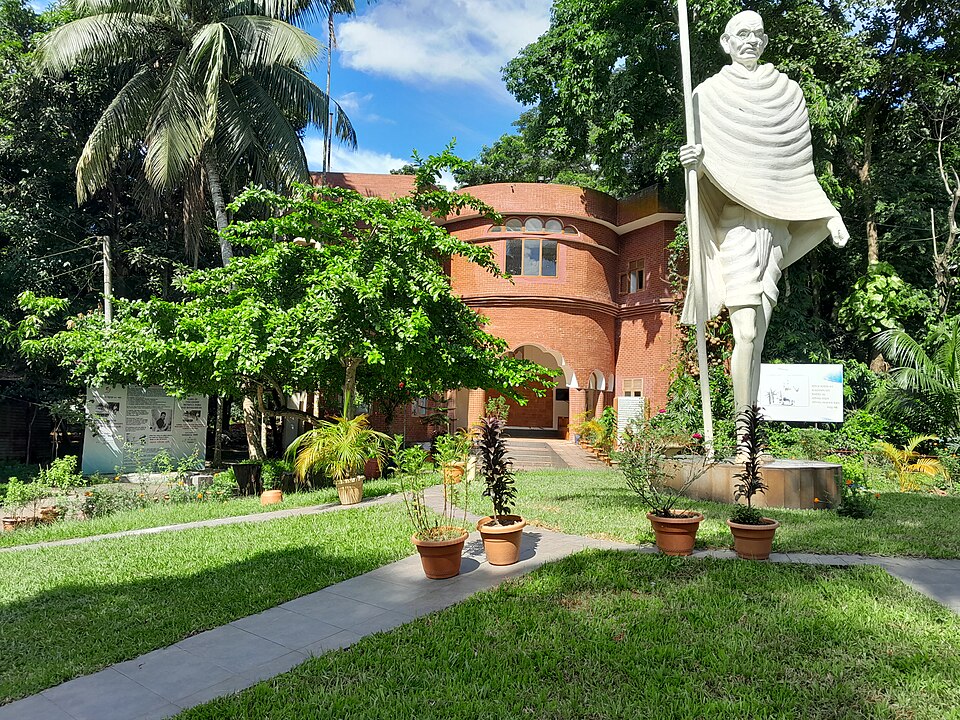
Gandhi Ashram, Jayag
The ashram at Jayag in Sonaimuri where Gandhi stayed during his peace walk through Noakhali in 1946–47, kept by a trust since 1975: a memorial museum, the old house, and workshops that still train villagers.
 IslandAftab Hossain · CC BY-SA 4.0
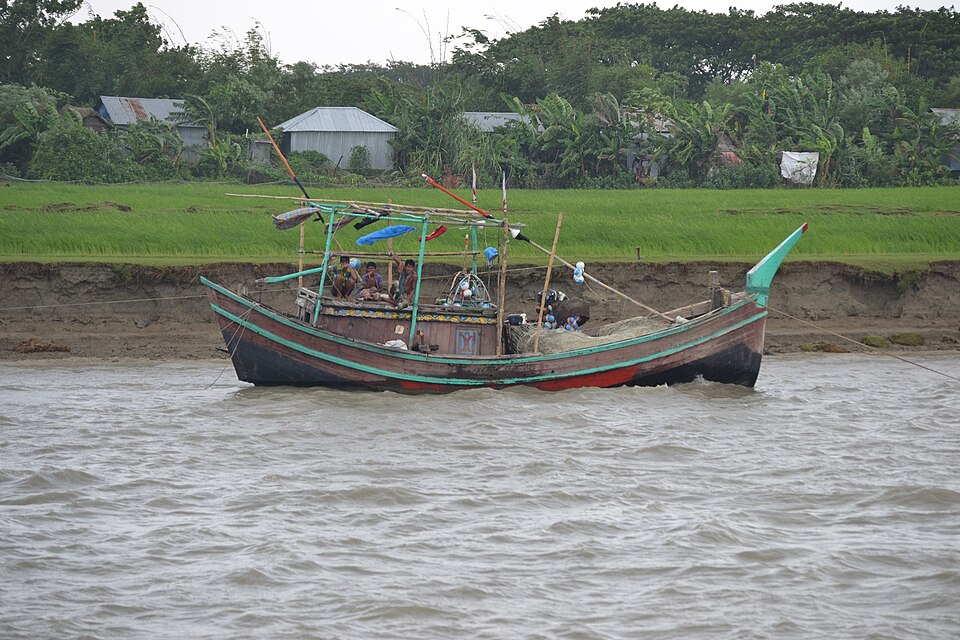
Hatiya Island
The big island in the Meghna estuary, 60 km long, with half a million people, a bazar town at Oskhali, embankments, fishing fleets and the road south to Nijhum Dwip; the stepping stone for the whole trip.
 River, lake and haorIqbal45567 · CC BY-SA 4.0
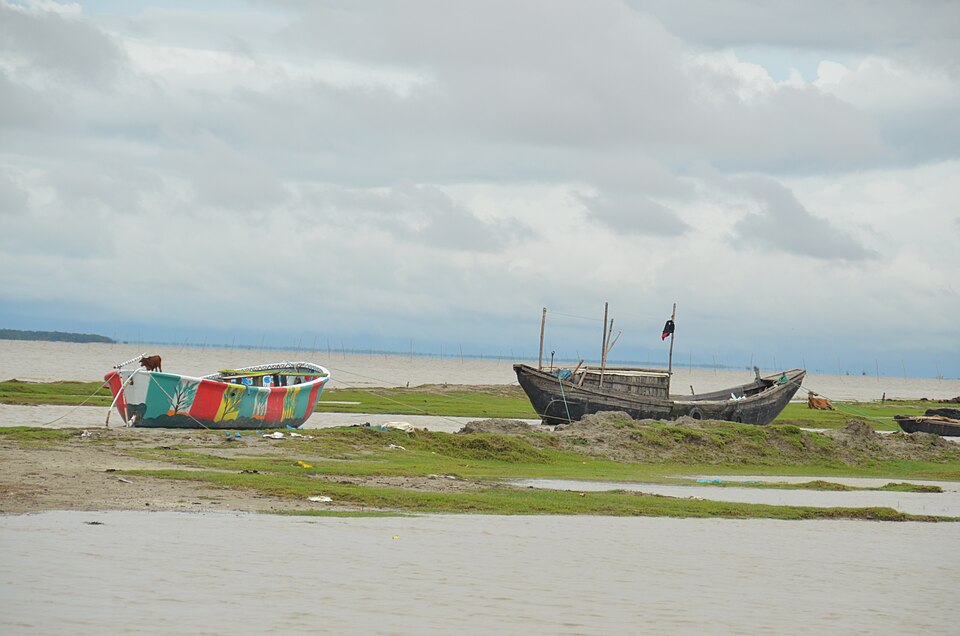
Musapur Closure
The dam across the Little Feni river at Musapur in Companiganj, built in 2015 to hold the tide back: a 23-gate regulator, a planted forest and a long embankment that became the district's sunset spot.
 IslandMd Saiful Islam Khan (Aopu) · CC BY-SA 4.0
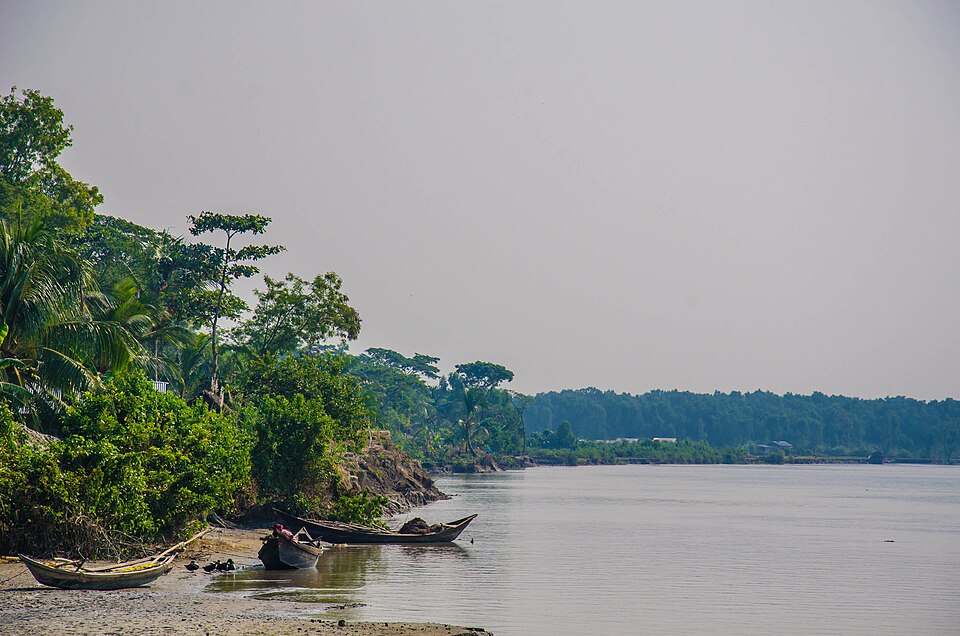
Nijhum Dwip
The "silent island" at the southern tip of Hatiya: a planted mangrove forest on 1970s char land, thousands of spotted deer, a wide beach, winter birds and a sunset over the open sea; a national park since 2001.
Sources 2
Times, fares and opening hours change. Check before you go.
Take this guide offline.
The same guide, every place and photo, on your phone without a connection. Mark the district when you get there.