Known for
- 1
Named for a reformer.
The district takes its name from Haji Shariatullah (1781–1840), who led the Faraizi movement for religious reform and against the exploitation of farmers and weavers by indigo planters and landlords. Shariatpur became a district in 1984.
- 2
Between two great rivers.
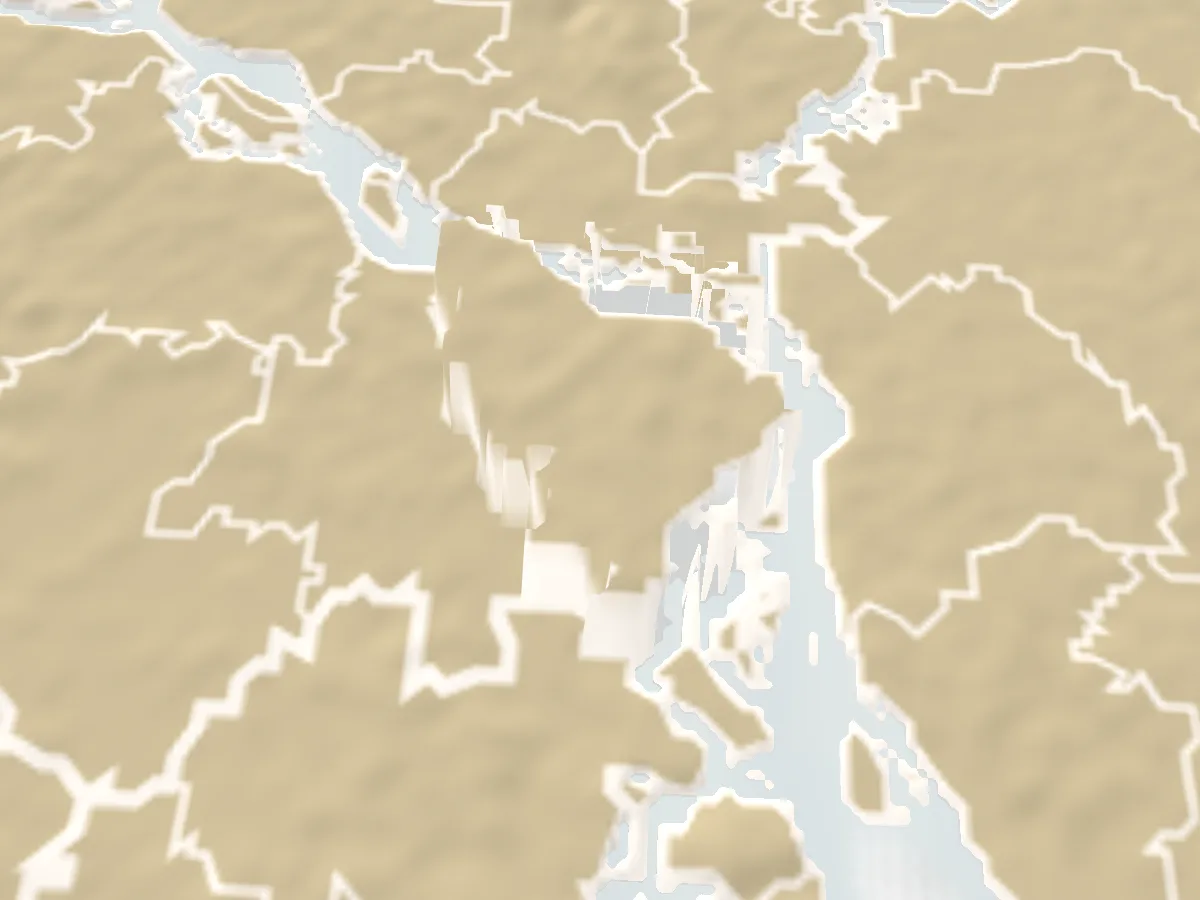
The Padma runs along the north and the Meghna along the east. The Padma Bridge, 6.15 km and the longest in the country, lands in Jajira, and opened on 25 June 2022. Further in, the Kirtinasha, 'destroyer of glory', swallowed Raja Rajballabh's home at Rajnagar.
- 3
Kedar Rai against the Mughals.
Kedar Rai (1561–1603), one of the Baro-Bhuyans, fought Man Singh's Mughal army here. The Mughals won at Srinagar and renamed it Fatehjangpur, 'city of the war victory'. His unfinished moat at Kedarpur and the tanks he had dug at Mahisar are still there.
- 4
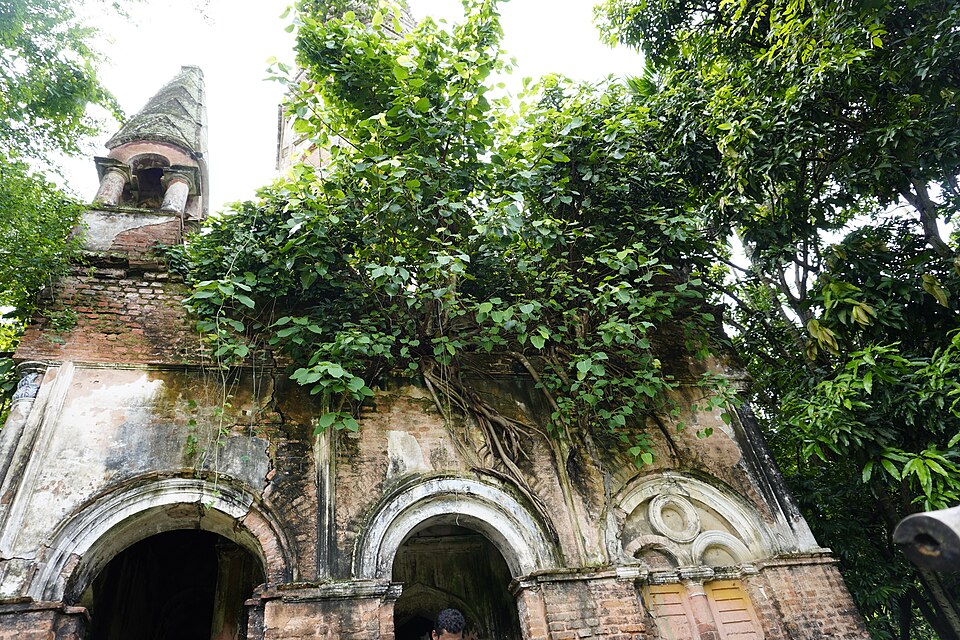
Rudrakar's math.
A temple about 20 m tall, with smaller temples at its corners and a big pond in front, stands beside the ruined zamindar house the Chakrabortys built on 12–13 acres. Parrots nest in it, and every year it still fills with puja and kirtan.
- 5
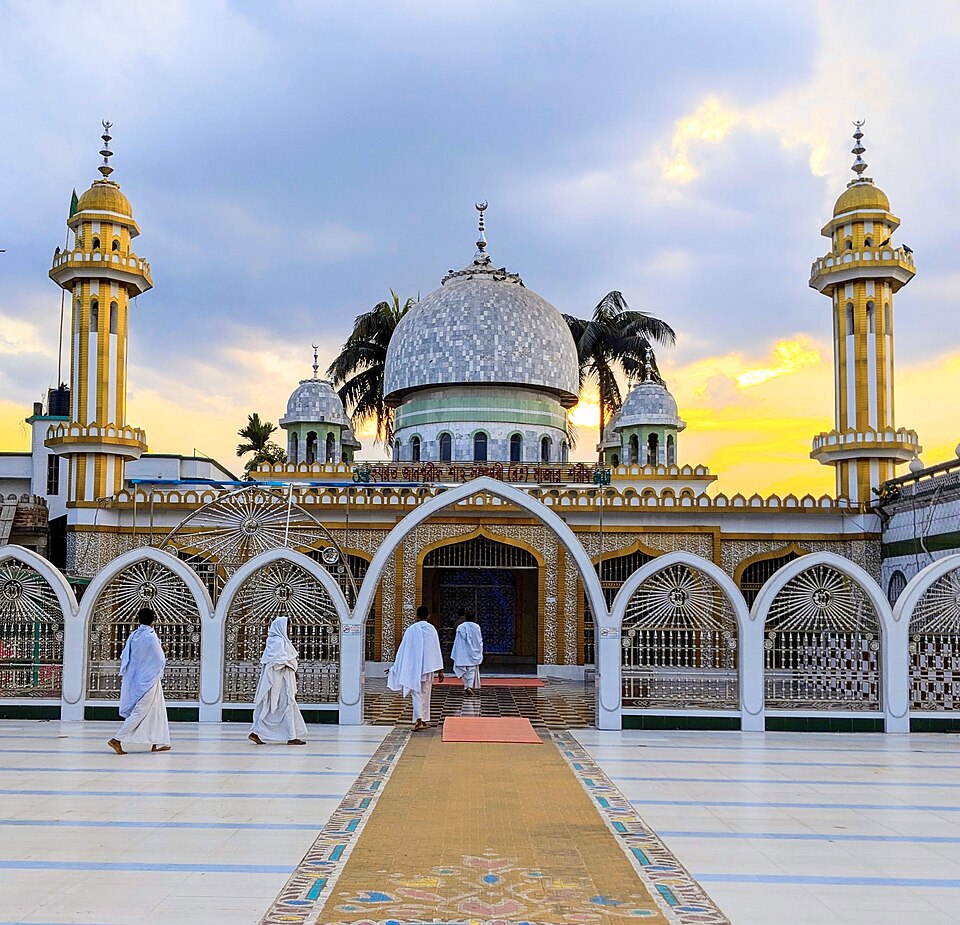
Sureshwar, the darbar of music.
On the Padma bank in Naria, the Sufi Ahmad Ali Jan Sharif Shah Sureshwari used music to draw people to God. A survey officer in 1907–10 named the village Sureshwar, from sur, tune, and ishwar, after his voice.
- 6
Dhanuka's snake goddess.
Mayur Bhatta's house at Dhanuka, a protected site about 600 years old by tradition, keeps an old brass image of Manasa, goddess of snakes. Dhanuka was once a centre of Sanskrit learning.
- 7
Burirhat's mosque.
Founded in 1907 under thatch by a Burirhat trader and finished in brick by 1935, it was modelled on the Tipu Sultan Mosque and covered in coloured ceramic-chip vines by craftsmen from Chandpur.
Best season
GoodFairNov–Feb
- Mahisar fair A week from Pahela Baishakh (14 April), beside the Digambari tanks
- Urs at Sureshwar Darbar 2–4 February, on the Padma bank in Naria
- Chaitra Sankranti The last day of the Bangla year, mid-April
- Puja and kirtan at Rudrakar Math Held with ceremony every year
- Boat races On the rivers in the wet season
November to February is the time to come: dry, clear and mild, with the coolest nights around 12 °C. The fields are green, the chars along the Padma are out of the water, and roads to the villages are firm.
The year swings between 12 and 35 °C, and about 2,100 mm of rain falls, most of it in the monsoon. The Padma and Meghna run high and fast then, and their banks erode; Kedar Rai's birthplace in Naria and the old village of Raipur are already under the Padma. Come in the wet months only for the rivers themselves, and keep away from cut banks.
Plan around Pahela Baishakh if you can. From the first day of the Bangla year a week-long fair is held at Mahisar, beside Kedar Rai's tanks, and Chaitra Sankranti and boat races are among the district's folk festivals.
Getting there
Bus
From Dhaka
Over the Padma Bridge via Mawa to Jajira, then on to Shariatpur town.
Train
From Dhaka
Dhaka–Jashore line to Padma station, at the bridge’s south end in Shibchar; then by road.
Launch
From Dhaka or Chandpur
Launches to Naria from Dhaka, and to Naria and Bhedarganj from Chandpur.
Getting around
Around the district
Autos, CNGs and rickshaws; Rudrakar 5 km south-east of town, buses to Naria.
By road over the Padma Bridge is now the main way in. From Dhaka the expressway runs to Mawa, crosses the 6.15 km bridge and lands in Jajira; buses continue to Shariatpur town, and on to Madaripur, Barishal and Faridpur.
By train, the Dhaka–Jashore line crosses the same bridge; its Padma station stands at the bridge's south end, just over the border in Shibchar, Madaripur. By water, launches still link Naria with Dhaka, and Naria and Bhedarganj with Chandpur across the Meghna.
Around the district, autos, CNGs and rickshaws do most trips. Dhanuka's Manasa Bari is a short rickshaw ride from town, Rudrakar about 5 km south-east on the Damudya road, and buses run to Naria for Fatehjangpur, Sureshwar and the river.
Local food
Jajira kalojira honeyMust try
The district's own brand product, from Jajira's spice fields.
Honey is the district's own brand. Shariatpur sells itself on Jajira's kalojira (black-cumin) honey. Jajira is a spice-growing hub: in 2018 the district had about 5,570 hectares of coriander and 3,750 of cumin, and beekeepers set their boxes among the mustard, coriander and litchi blossoms.
The fields feed the rest. Rice, jute, wheat, onion, sweet potato and tomato are the main crops, and jute, onion, ginger and tomato go out to other districts.
Buy honey from a farm or a market you trust, and ask which flowers it came from: mustard, coriander, black cumin or litchi.
Places to see
Burirhat Jame Mosque
A mosque begun under thatch in 1907 and finished in brick by 1935, modelled on the Tipu Sultan Mosque, with colourful ceramic-chip vines inside and a 60-foot minaret.
Chhaygaon Zamindar Bari
A two-storey zamindar house in Bhedarganj, home of leaders of the movement against British rule, where the British kept an army camp from 1930 to 1934.
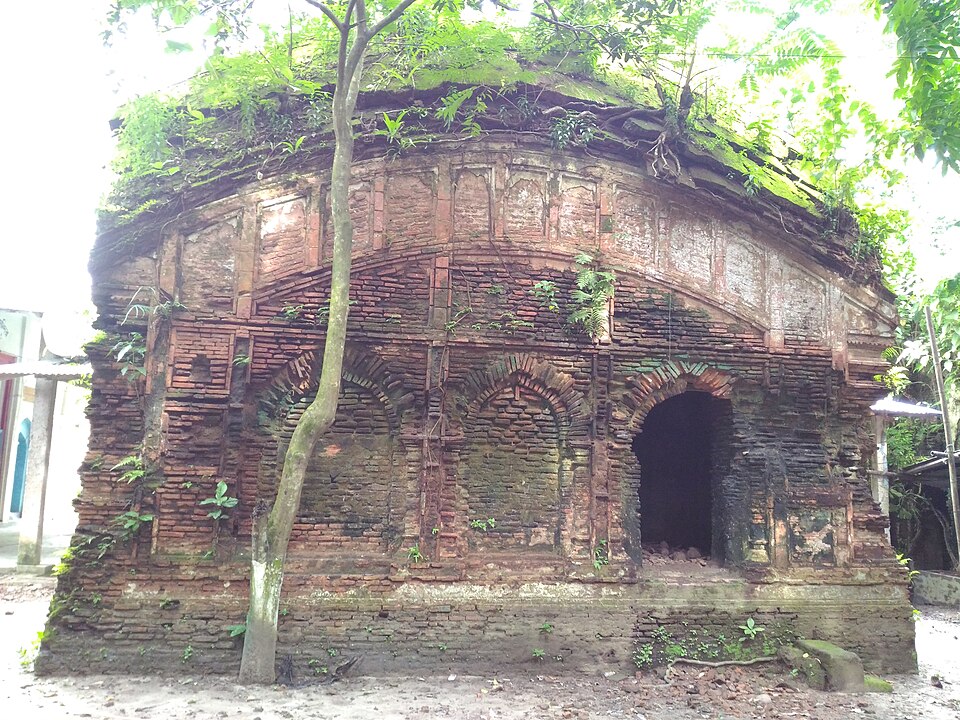 Hindu templeShuvajit BD · CC BY-SA 4.0
Dhanuka Manasa Bari
Mayur Bhatta's house at Dhanuka, a protected group of temples about 600 years old by tradition, with an old brass image of Manasa, the snake goddess.
Dingamanik: Ram Sadhu's Ashram and Ram Thakur's Home
A century-old ashram in Dingamanik, Naria, with a three-day fair at the end of winter, in the village where the saint Sri Sri Ram Thakur was born in 1860.
Fatehjangpur Fort and Kedar Rai's Moat
Where Man Singh's Mughals defeated Kedar Rai and renamed Srinagar 'Fatehjangpur', and the unfinished moat of the city Kedar Rai meant to build at Kedarpur.
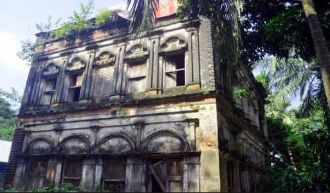 Fort and palaceBhoboghure · CC BY 4.0
Haturia Zamindar Bari
The house of the zamindar Golam Ali Chowdhury at Char Bhuyai, Gosairhat, built of brick, brick-dust mortar and iron, and still standing strong though neglected.
Mahisar and the Digambari Tanks
Two great tanks dug for drinking water on Chand Rai and Kedar Rai's orders, with the temple of Digambari, the ruined 'Bhia Bari' nearby, and a week-long fair from Pahela Baishakh.
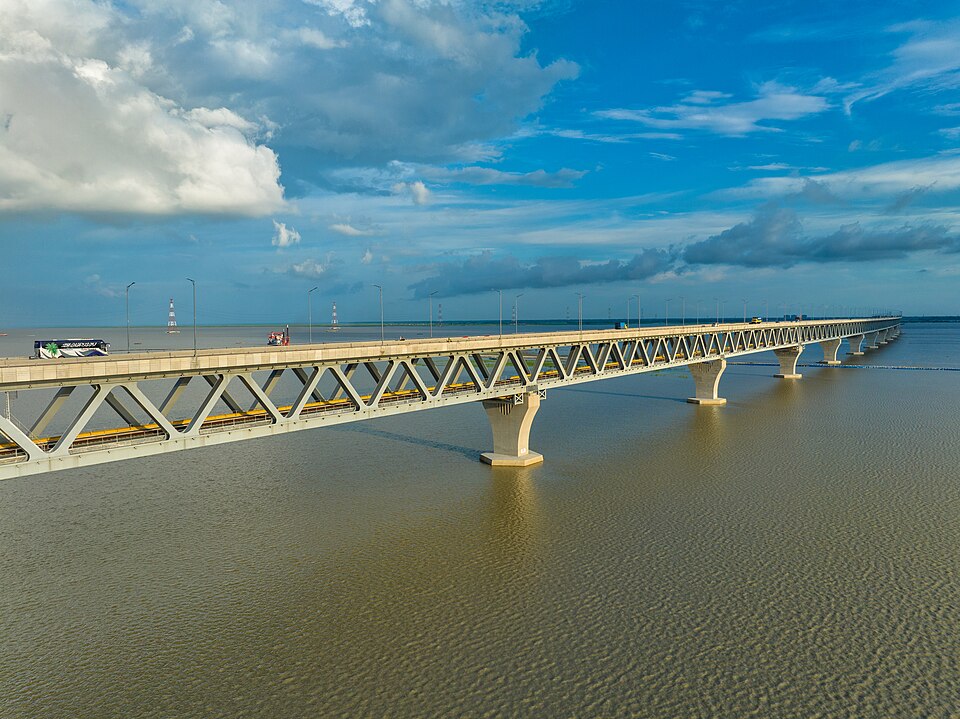 Viewpoint and sunset spotAzim Khan Ronnie · CC BY-SA 4.0
Padma Bridge
The country's longest bridge, 6.15 km of road over rail across the Padma, landing in Jajira; opened on 25 June 2022.
 Hindu templeRadman Siddiki · CC BY 4.0
Rudrakar Math and Zamindar House
A temple about 20 m tall with smaller temples at its corners and a big pond in front, beside the ruins of the Chakraborty zamindars' 'Babur Bari'.
 Monument and memorialAbdul Hakim Madber · CC BY 4.0
Sureshwar Darbar Sharif
A Sufi darbar on the Padma bank in Naria, founded by a saint who used music in his devotion; the village was named Sureshwar, "lord of tune", after his voice.
Times, fares and opening hours change. Check before you go.
Take this guide offline.
The same guide, every place and photo, on your phone without a connection. Mark the district when you get there.