Known for
- 1
A quiet city on the Padma.
Rajshahi is clean, green and slow, laid out along a long embankment over the river. Evenings belong to the riverfront, mornings to the Varendra Research Museum, the oldest museum in the country, and the shrine of Shah Makhdum.
- 2
Temples and a sultan's mosque.
East of the city, Puthia has the largest group of old Hindu temples in Bangladesh around the rajbari of its zamindars, and Bagha keeps a terracotta mosque built in 1523 under Sultan Nusrat Shah. Both make an easy day out.
- 3
Mangoes and silk.
In June and July the district is the country's mango basket; Rajshahi silk is woven and sold in the city all year.
Best season
GoodFairNov–Feb
November to February: cool, dry and clear, the best time for walking the riverfront and the temples. June and July are hot but bring the mango season. The Padma runs high and wide in August and September.
Getting there
Train
Dhaka
About 6 h
Intercity trains to Rajshahi station; book ahead
Bus
Dhaka
About 6 h
Day and night coaches from Gabtali and Kalyanpur
Air
Dhaka
About 50 min
To Shah Makhdum Airport
Getting around
In the city
Auto-rickshaws and rickshaws; buses east to Puthia and Bagha
Intercity trains from Dhaka (Kamalapur or Biman Bandar) take about six hours; buses take about the same. Flights land at Shah Makhdum Airport just north of the city. In town, auto-rickshaws go everywhere; buses for Puthia and Bagha leave from the city's bus terminals.
Local food
Rajshahi mangoesMust try
June and July, from the orchards and city markets
Kalai rutiMust try
Black gram flatbread with chilli paste or duck
Mangoes in season (Fazli, Langra, Khirsapat), kalai ruti, the flatbread of black gram flour eaten with chilli and onion paste or duck curry, and sweets from the old city shops.
Places to see
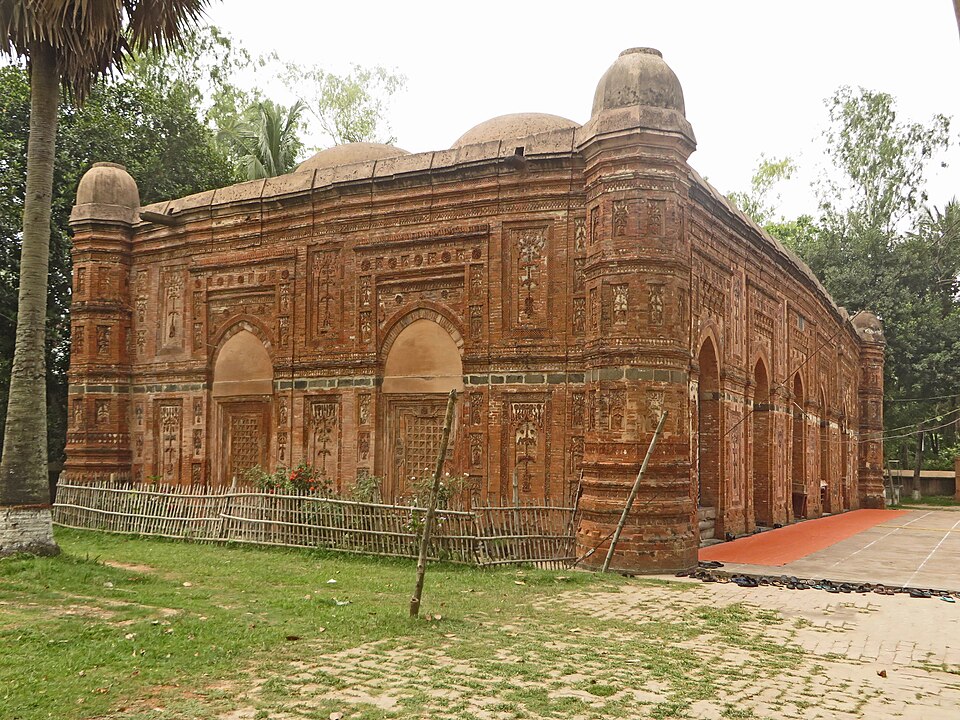 Mosque and shrineAfifa Afrin · CC BY-SA 3.0
Bagha Mosque
A ten-domed brick mosque of 1523, built under Sultan Nusrat Shah of the Hussain Shahi dynasty, rich in terracotta and set beside a large old pond about 40 km southeast of the city.
 River, lake and haorNahid.rajbd · CC BY-SA 4.0
Padma Riverfront
The long embankment along the Padma, with Padma Garden and the riverside parks: where the whole city comes out at sunset to walk, eat and watch the river.
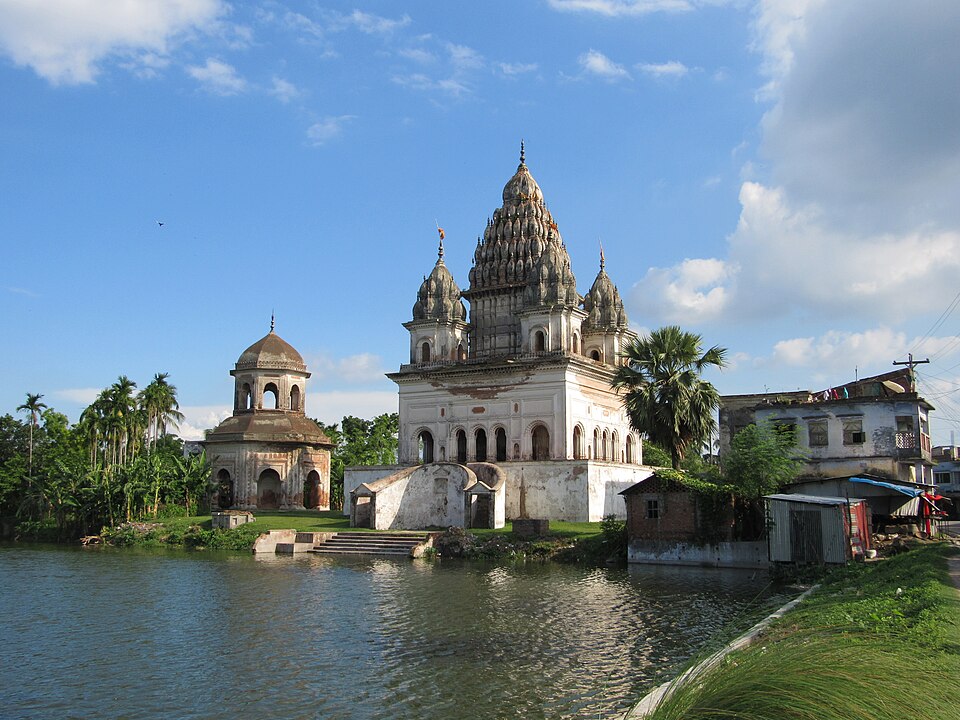 Hindu templeTanweer Morshed · CC BY-SA 4.0
Puthia Temples and Rajbari
The greatest cluster of old Hindu temples in Bangladesh, built by the Puthia zamindars around their palace and its ponds: the tall Shiva temple, the terracotta Govinda temple, the Pancharatna temple and the 1895 rajbari.
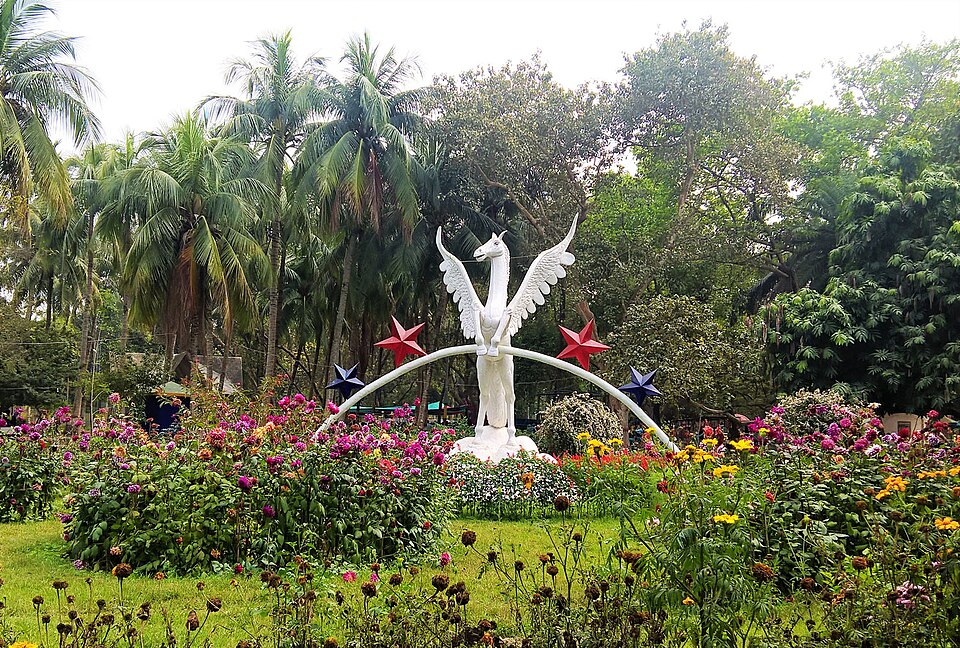 Park, eco park and picnic spotKoniiica · CC BY-SA 4.0
Shaheed Kamaruzzaman Central Park and Zoo
The city's big family park, laid out on the old British racecourse by the Padma, with a small zoo, lawns, old trees and rides.
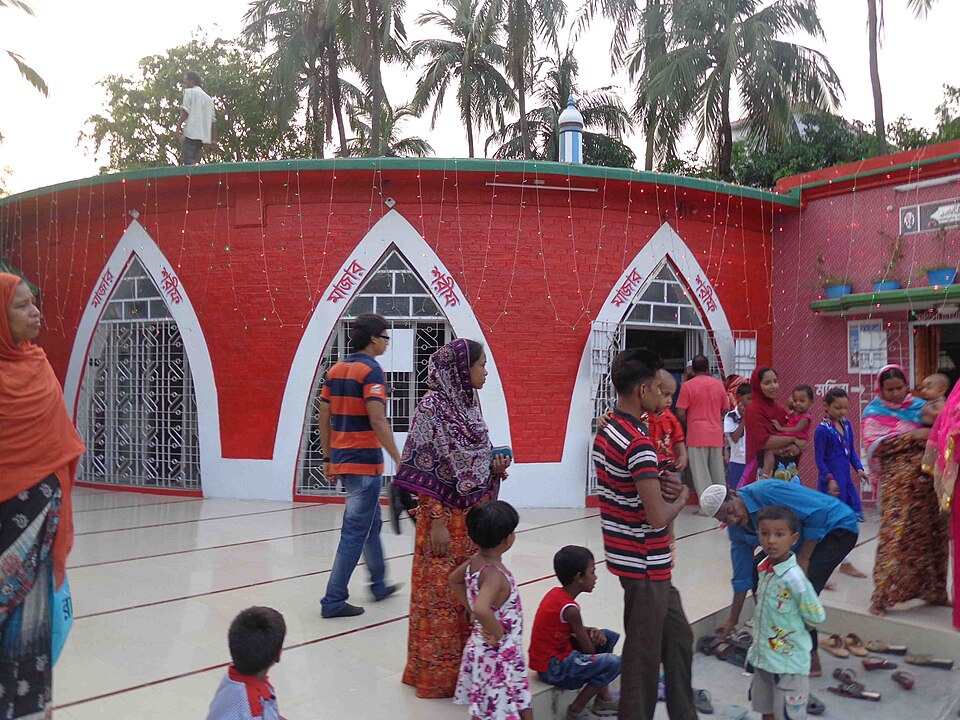 Mosque and shrineMusfiq munna · CC BY-SA 4.0
Shah Makhdum Dargah
The shrine of Shah Makhdum Rupos, the Sufi saint linked with the coming of Islam to the Varendra region, near the Padma in the old part of the city.
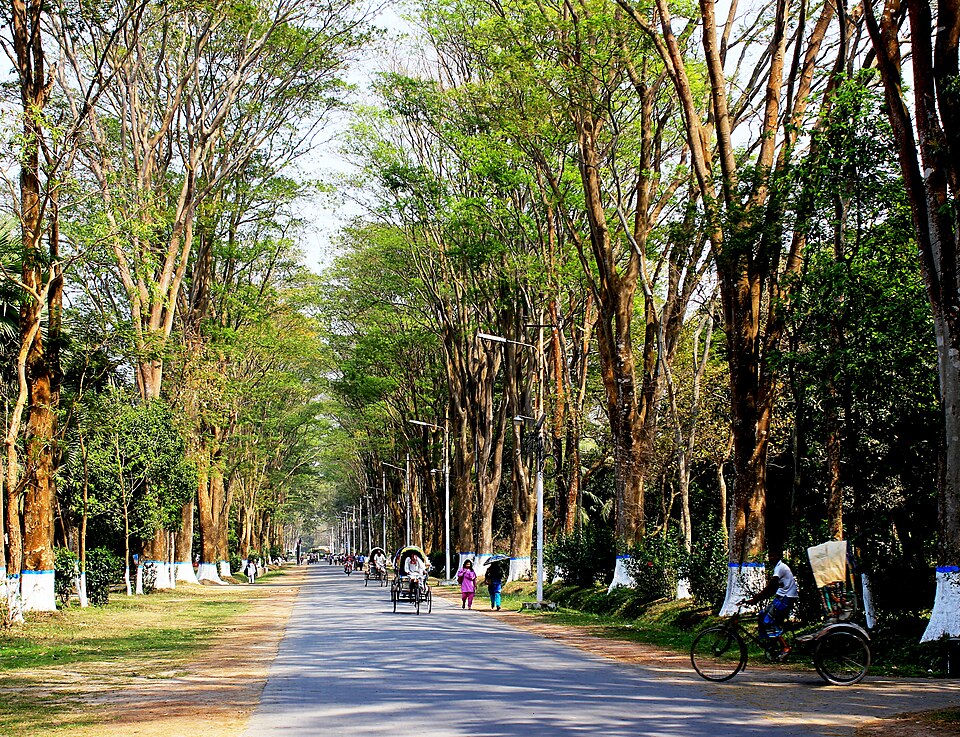 Park, eco park and picnic spotGrambangla · CC BY-SA 4.0
University of Rajshahi Campus
One of the largest and greenest campuses in the country, founded in 1953 on the edge of the city: tree-lined Paris Road, memorials and open lawns that are good for a slow walk.
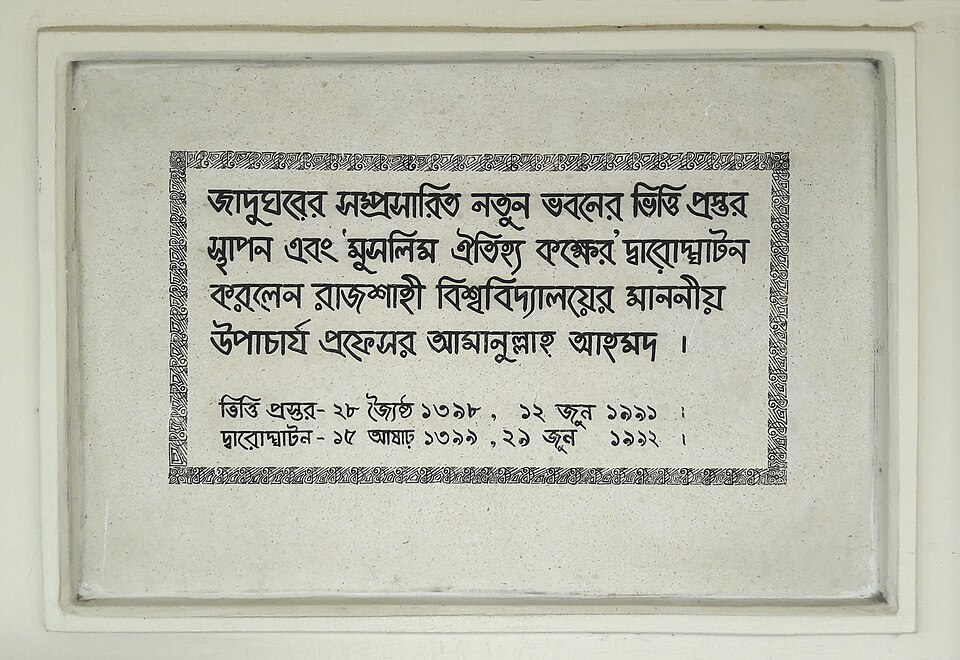 Museum and galleryNahid.rajbd · CC BY-SA 4.0
Varendra Research Museum
The first museum in what is now Bangladesh, opened in 1910 and run today by the University of Rajshahi: stone sculpture, terracotta, coins and inscriptions from the old Varendra region.
Sources 2
Times, fares and opening hours change. Check before you go.
Take this guide offline.
The same guide, every place and photo, on your phone without a connection. Mark the district when you get there.