River, lake and haor, Bagerhat
Thakur Dighi and its crocodilesঠাকুর দিঘি ও কুমির
- Time needed
- Twenty minutes, as part of the tomb visit.
- best months
- Nov–Mar
- Cost
- Free.
The 200-acre tank Khan Jahan dug for his town's drinking water, below his tomb, home to freshwater crocodiles for nearly six hundred years.
Plan your visit
- Best time
- Morning or late afternoon, when the crocodiles come to the ghat to bask.
About
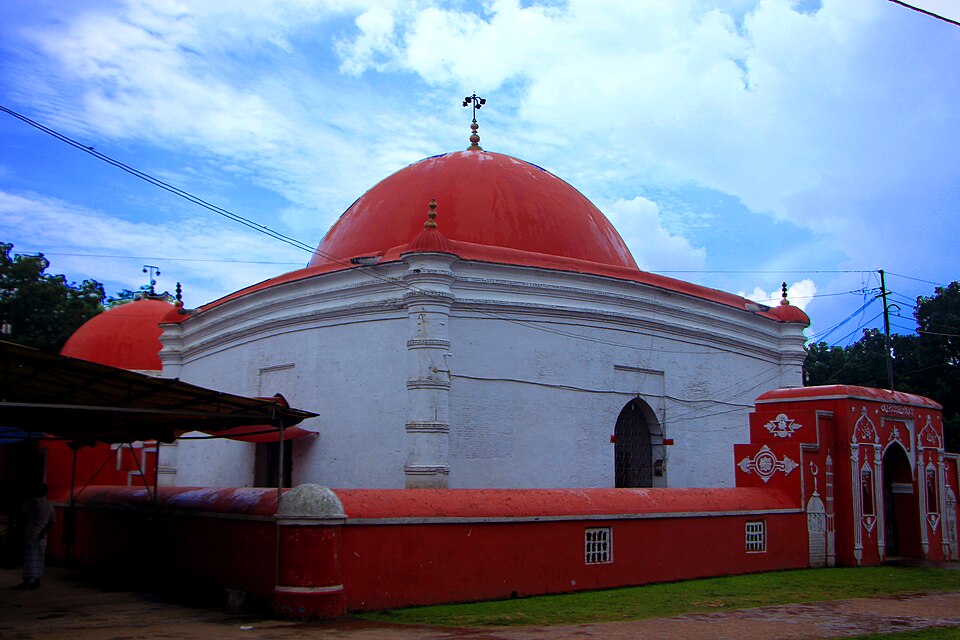
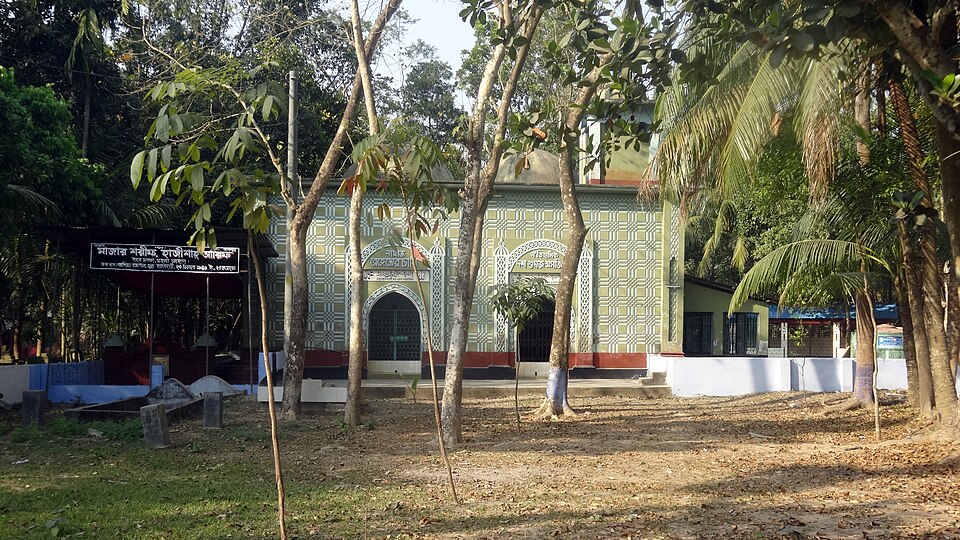
Khan Jahan is remembered for his tanks as much as his mosques: tradition credits him with digging more than a hundred across the south, in a country of salt soil where sweet water was the difference between a village and a wasteland. This one, dug around 1450 and also called Khanjali Dighi, is the largest, a sheet of water about 200 acres across with separate bathing ghats for men and women on the north bank below the tomb.
The story goes that he put a pair of crocodiles into it to keep the water clean, and crocodiles have lived here ever since. The old ones were named Kalapahar and Dhalapahar; the lineage was refreshed in 2005 with four marsh crocodiles brought from Madras, and a few still live in the tank. Khadems call them to the ghat by name, and pilgrims hold out chickens on a stick. Many bathe in the water or carry it home believing it heals.
It is a strange and memorable scene, half shrine, half riverbank: the tomb on its rise, the great flat water, kites overhead, and now and then a long shape sliding in from the reeds.
Getting there: Directly south of the tomb of Khan Jahan Ali; steps lead down from the courtyard.
Things to do
- Watch from the ghat steps; the khadems will tell you the crocodiles' names.
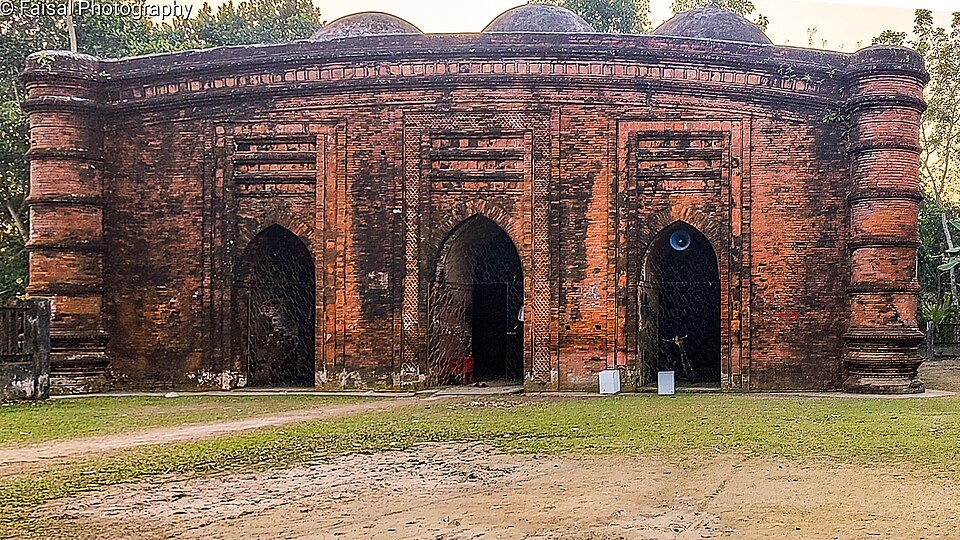
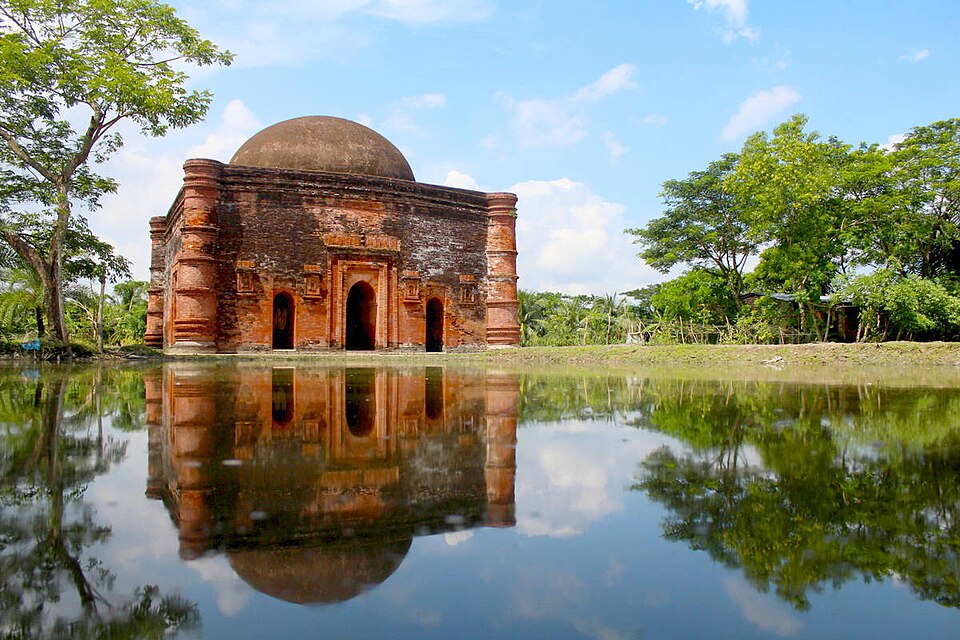
- Walk the west bank to the Nine Dome Mosque.
Good to know
- Never put a hand or foot in the water at the ghat, whatever others do; the crocodiles are wild animals.
- The water is not safe to drink.