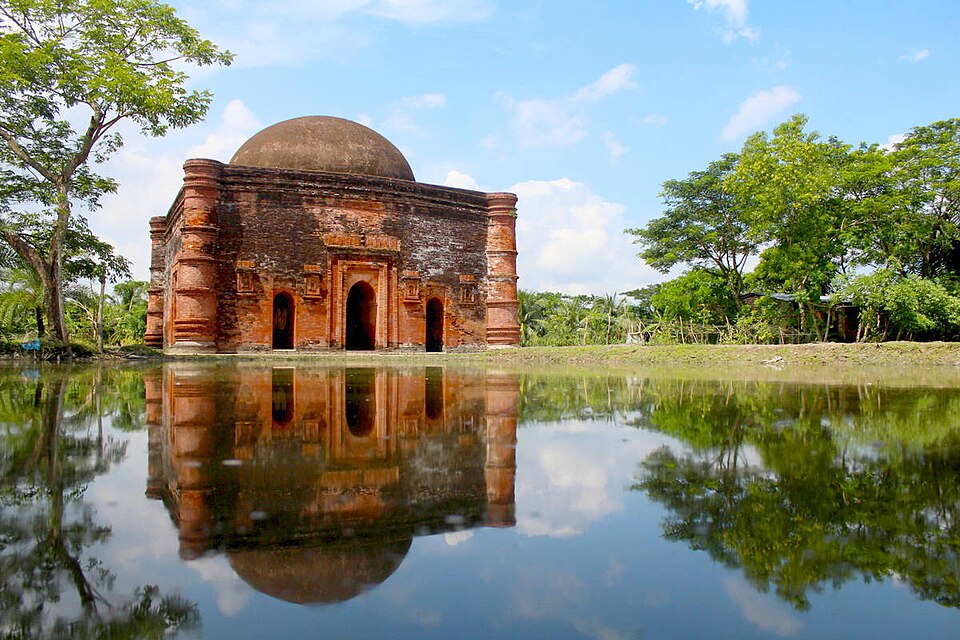
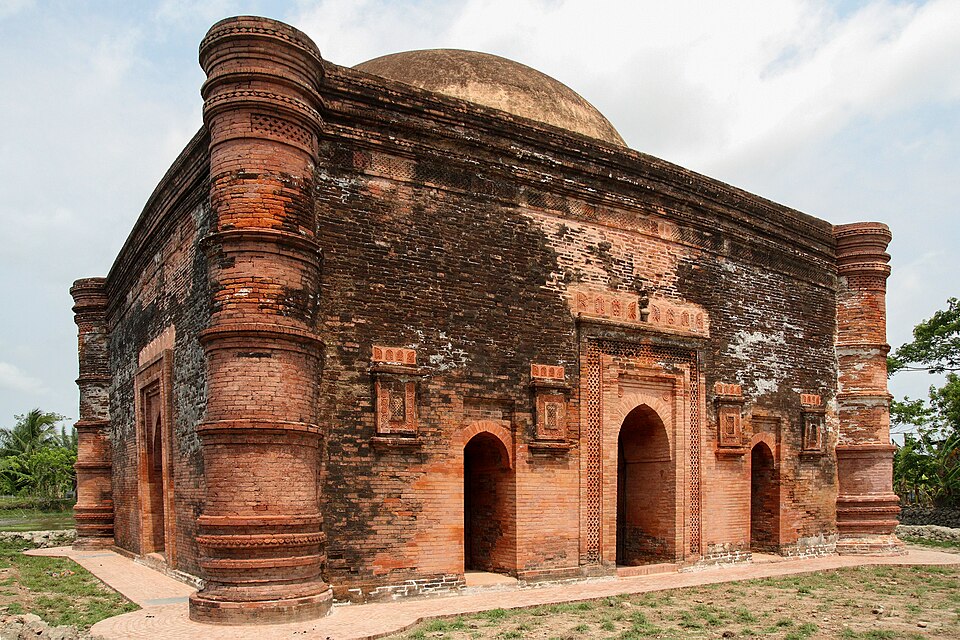
Mosque and shrine, Bagerhat
Sixty Dome Mosqueষাট গম্বুজ মসজিদ
- Time needed
- About an hour, two with the museum next door.
- best months
- Nov–Feb
- Cost
- Entry about ৳20 for Bangladeshis, ৳100 for SAARC visitors and ৳200 for others, sold at the gate (museum separate).
The largest mosque of the Bengal Sultanate, 60 stone pillars under 81 domes, built by Khan Jahan Ali in the 1400s and the heart of the UNESCO Mosque City.
Plan your visit
- Opening
- Daily, sunrise to sunset; the hall closes to visitors at prayer times.
- Best time
- Early morning, before the tour buses, when the low sun lights the east front; or late afternoon from the Ghora Dighi side.
At a glance
- Built
- About 1442–1459, by Khan Jahan Ali
- Size
- 48.8 × 32.9 m outside, 43.9 × 26.8 m inside
- Domes
- 77 over the hall, 81 with the corner towers
- Pillars
- 60, mostly stone
- World Heritage
- Mosque City of Bagerhat, inscribed 1985
About
Walk in from the east and the hall opens into a forest of slender stone columns, seven aisles deep and eleven bays wide, each bay closed by a low brick dome. Down the middle the seven bays carry a different roof: four-sided vaults shaped like the thatched huts of Bengal, so the roofline outside rises and falls like a village. Nobody is sure where the name comes from. There are 60 pillars and 77 domes over the hall (81 with the corner towers), so "sixty domes" was probably "sixty pillars" once, shat khambaz, worn down over the centuries.
Khan Jahan Ali, the Turkic officer who cleared this stretch of the Sundarbans for the Sultan of Bengal, built it between about 1442 and 1459 as the congregational mosque of his new town, Khalifatabad. It was also his court. He is thought to have governed from the two brick platforms that once stood inside, and the single western door near the central mihrab was probably his private entrance. Ten mihrabs line the west wall; the central one is carved grey sandstone with a black stone panel inlaid above it, the others brick, once dressed in terracotta.
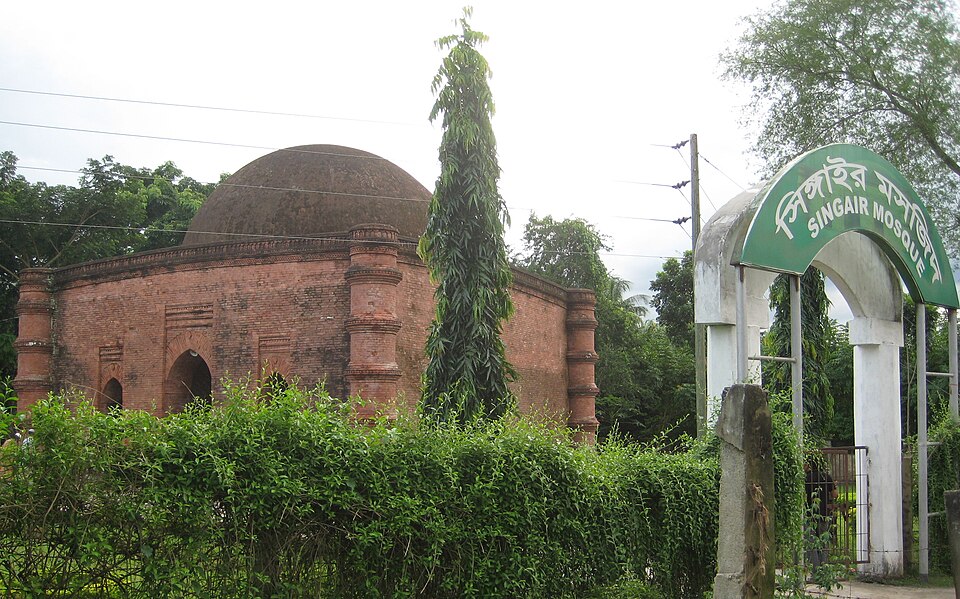
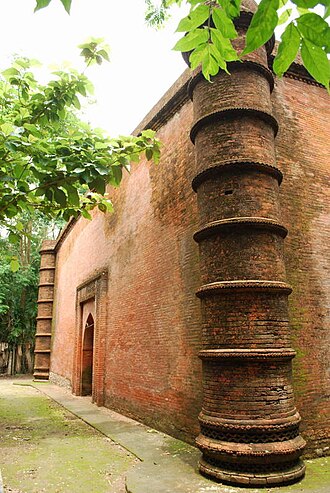
The walls are nearly two metres thick and taper upward, and the four round corner towers look more like a fort than a mosque, which is the Tughlaq style of Delhi carried east. The two front towers hold spiral staircases of 26 steps, bricked up now. After Khan Jahan died the forest took the town back, and the mosque stood roofless and half-buried until British engineers began repairs in 1903. UNESCO's conservation programme in the 1980s brought it to what you see today, and it is still a working mosque: Friday prayers fill it.
Getting there: On the Khulna road about 5 km west of Bagerhat bus stand; any Khulna-bound bus drops you at the gate, or take a battery rickshaw from town.
Things to do
- Stand in the central nave and look up: the hut-shaped vaults are unlike any other mosque in the country.
- Find the carved sandstone mihrab in the middle of the west wall and the single western door beside it.
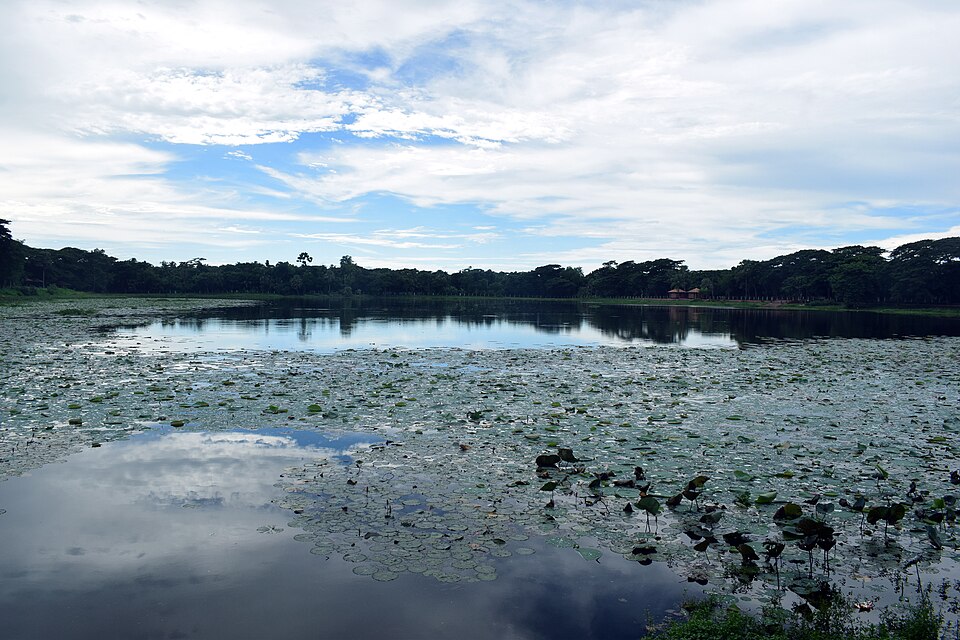
- Walk round the outside to the Ghora Dighi for the classic view of the whole east front.
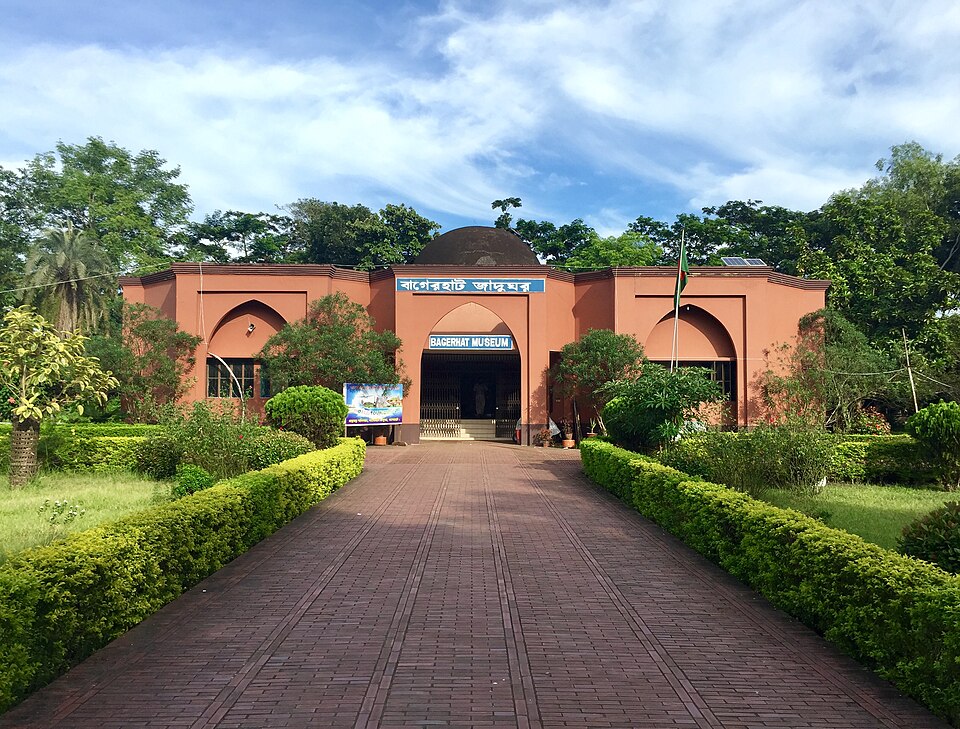
- See the museum in the same compound for the inscriptions and terracotta found on the site.
Good to know
- Shoes come off at the door, and shoulders and knees should be covered; a scarf helps women inside.
- It is a working mosque: step out during prayers and avoid flash inside.
- Fridays and public holidays are crowded; weekday mornings are quiet.